

Continuum: Microsoft not have introduced the idea of turning a phone into a PC with the help of external displays, but it certainly managed to make this feature much more interesting for both consumers and other manufacturing companies around the world. 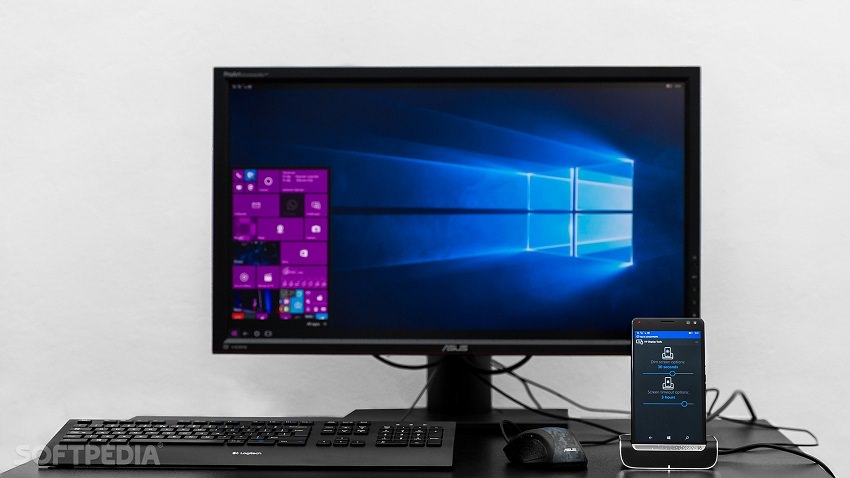
Examples include Motorola's Atrix, released in 2011, and the Lumia 950 and 950 XL, released in October 2015, which featured Continuum, a feature that allows the phone to transform into a PC when connected to a larger screen or projector. Now, the same system is becoming even more widespread among Android devices, as Samsung is set to integrate it as DeX into its S8 smartphone line.
Rumors claim that Huawei is also considering incorporating similar functionality into its upcoming smartphone, the Mate 10. The company wants to introduce a similar technology to Continuum that will work with the majority of docks, which means that the company will not launch its own dock.
The report reveals that Huawei's system could use DisplayPort to connect to a dock and larger displays, which would likely create problems given that HDMI is currently the most prevalent connector for such functions.
Although there are no further details on this specific subject, we will have more information very soon, given the upcoming presentation of the Mate 10.
In the case of Continuum, Windows phones require a special dock that allows devices to be connected to larger screens, with the Windows 10 Mobile operating system adapting to the new resolution and allowing for working with a mouse and keyboard – which can also be connected thanks to the USB ports available on the same dock. Unfortunately, however, it seems that Microsoft has now abandoned the idea of a phone that can be transformed into a PC.
