

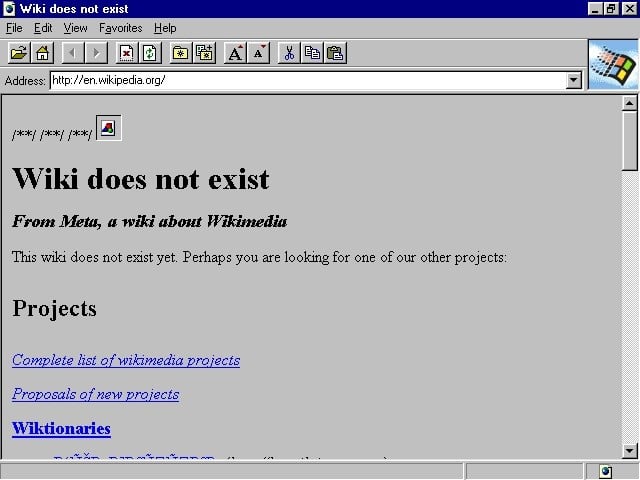
Internet Explorer 1 debuted in Windows 95 and was part of Microsoft's Internet Jumpstart Kit Plus for the operating system. What's interesting is that Internet Explorer 1 was the creation of a team of just six workers, but it quickly expanded.
Now in version 11, Internet Explorer is no longer Microsoft's top priority, as the company has introduced a new browser called Edge that comes as the default in the new Windows operating system.
The development of Microsoft Edge was necessary mainly because the software giant needed a fresh start to compete with other browsers on the market, including Chrome and Firefox.
Internet Explorer will no longer receive new versions, features, or improvements, but Microsoft will continue to patch it in case new vulnerabilities and security issues are discovered. This way, users who are still running Internet Explorer will continue to be fully protected and will not have to change the browser.
Obviously, the market share of Internet Explorer continues to decline, and statistics have shown that Google Chrome is the undisputed leader in the browser world with its share exceeding 50 percent. Time will tell if Microsoft Edge will replace Google Chrome and kill Firefox, but for now, Chrome continues to be the browser of choice for more than 50 percent of PC users out there.
