

Amazon is at the center of a new federal investigation after one of its Prime Air delivery drones downed an internet cable in the Waco, Texas, area . The incident comes at a critical time for the company as it tries to accelerate the growth of aerial deliveries in the U.S. and gain ground against faster-moving competitors.
What happened in Waco: The timeline of the incident
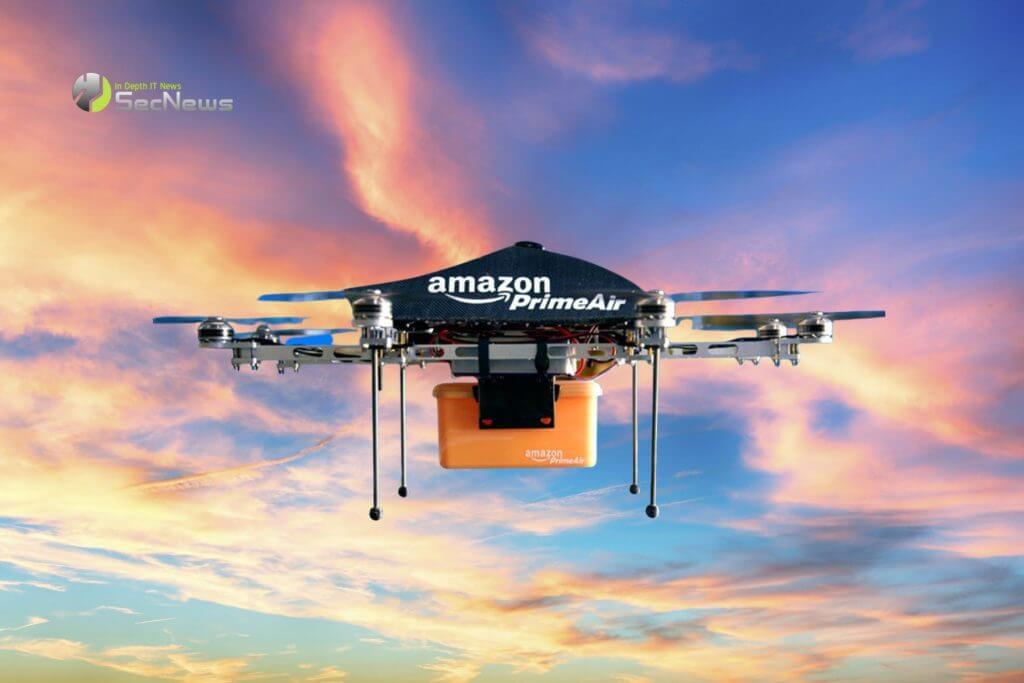
On November 18, at around 12:45 p.m., an Amazon MK30 drone had finished delivering a package and was beginning to lift off from a customer's yard. During the liftoff, one of the six propellers became entangled in an internet cable, which was severed, according to video seen by CNBC.
The drone is shown in the video losing power and making an automatic emergency landing. Despite the contact with the cable, the aircraft remained largely intact, with only damage to one of the propellers. The Federal Aviation Administration (FAA) announced that it has launched a formal investigation, while the National Transportation Safety Board (NTSB) said it was following the case, but without proceeding with an independent investigation.
See also: Buy used Ford vehicles from Amazon
Amazon's response: "Conditional safe landing"
Amazon confirmed the incident, saying the drone had activated its “conditional safe landing” protocol, a system that is activated when is detected an unforeseen danger. According to the company, there were no injuries or widespread network outages in the area.
"We covered the cost of repairing the customer's line and apologized for the inconvenience," an Amazon spokesperson said, noting that the delivery had already been completed before the incident.

It's not the first incident: Previous collision in Arizona
The Waco incident follows another investigation that began last month when two Prime Air drones collided with a construction crane in Tolleson, Arizona. The accident forced Amazon to temporarily suspend drone deliveries in the area, raising questions about the maturity of its technology.
Ten years of promises, little progress
Amazon has been pursuing Jeff Bezos of rapid air delivery since 2013. Despite grandiose statements and impressive presentations, the Prime Air program has faced significant difficulties.
See also: Amazon Leo: Project Kuiper's official name announced
The first official deliveries only began in 2022 in College Station (Texas) and Lockeford (California), while the program's progress was slowed by regulatory hurdles, technical challenges and staff layoffs in 2023. Despite the difficulties, the company insists that its goal is to reach 500 million air packages per year by 2030.
The MK30: Amazon's new generation of drones
The MK30, Amazon's latest drone, features six propellers, a smaller footprint, and an improved aerodynamic profile. According to the company, it is quieter and lighter than previous models.
A key feature is the built-in system detection and avoidance, which theoretically allows the drones to detect obstacles both in the air and on the ground. However, the recent incident has reignited debate over whether the system can cope with real-world conditions, such as low-visibility cables or tight spaces.
Amazon asks customers to ensure at least three meters of clear space for safe takeoffs and landings; however, the average home space is not always perfectly suited to this usage model.
See also: Amazon Bazaar: The budget shopping app comes to over a dozen markets

Expansion continues despite obstacles
Despite the incidents, Amazon is still expanding the program to new locations. In Waco, deliveries began in early November for select customers. The drones can deliver packages weighing up to 11 pounds in less than an hour.
At the same time, the program has expanded to Kansas City, Missouri, Pontiac, Michigan, San Antonio, Texas and Ruskin, while new expansions are planned in Richardson, Texas.
Competition from Walmart intensifies
At the same time, Walmart is aggressively expanding its presence in the aerial delivery space. The company has been offering drone services since 2021 and is partnering with both Alphabet ’s Wing and startup Zipline . In several states—including Texas—its network already appears to be more extensive than Amazon’s, putting significant pressure on the e-commerce giant.
