

A few days after 6-year-old Luca was diagnosed with leukemia at UMass Memorial Children’s Medical Center in Massachusetts, his mother, Meagan Brazil-Sheehan, had a moment she’ll never forget. In the hospital hallways, Robin —a 4-foot-tall robot with cartoonish features and a voice that mimics a 7-year-old girl—appeared before them. When the robot called him by name and greeted him like an old friend, the little patient’s face lit up.
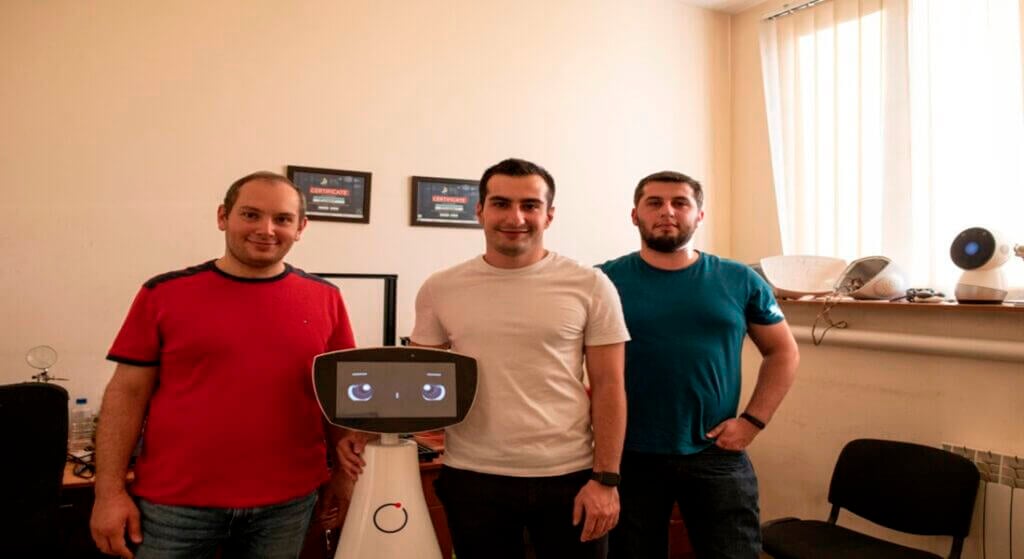
Robin is not just any robot. It is a creation of Expper Technologies, led by CEO Karen Khachikyan, designed to provide emotional support to children and the elderly in hospitals. With the help of artificial intelligence, it acts as a companion in the most difficult moments, while also supporting overburdened healthcare staff.
See also: Ant Group R1: The humanoid robot that will compete with Tesla Optimus
Artificial intelligence at the service of health
Five years after its launch in the US, Robin has found a place in more than 30 healthcare facilities in California, Massachusetts, New York and Indiana. Her role is twofold: on the one hand, she offers companionship and psychological relief, and on the other hand, she helps reduce the pressure experienced by doctors and nurses.
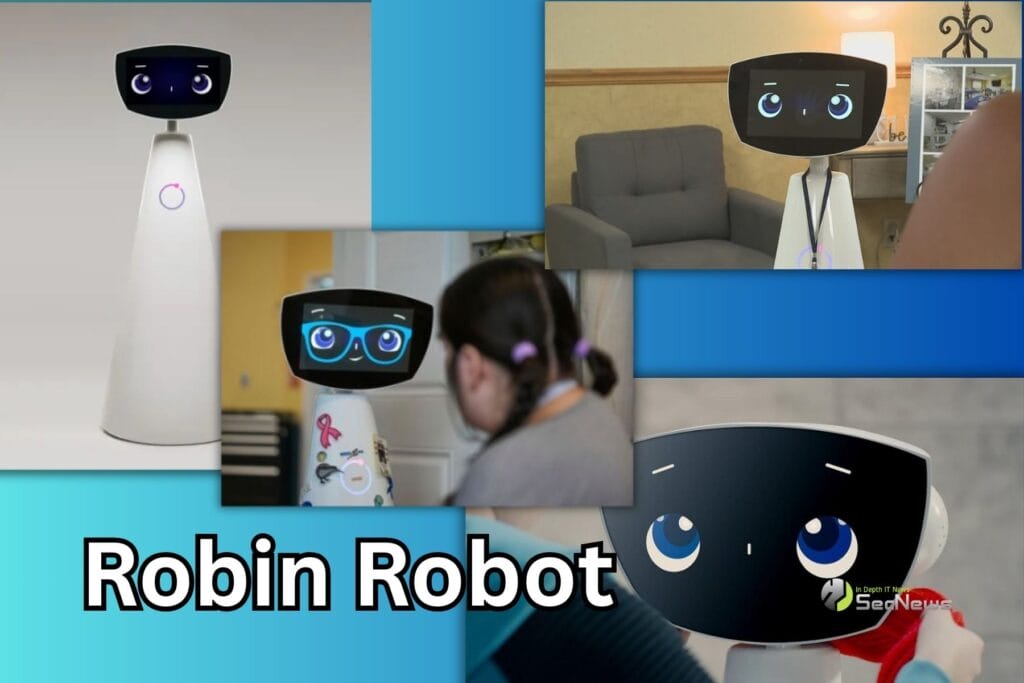
Its operation is about 30% autonomous, with the rest controlled remotely by operators, under the supervision of clinical staff. Through each interaction it collects data – respecting HIPAA regulations – so that in the future it can operate increasingly independently. As Khachikyan says: “Imagine a pure emotional intelligence like WALL-E. That’s what we’re trying to build.
Small moments, big impact
At children's hospitals in California, Robin visits patients every day, playing games like tic-tac-toe, dancing with teenagers to their favorite music , or wearing funny accessories to make children laugh. "She brings joy to everyone," says speech therapist Samantha da Silva. "Patients light up when she walks into the room."
In nursing homes, its contribution is equally essential: it plays memory games with people suffering from dementia, guides them in breathing exercises or simply offers a form of companionship reminiscent of a grandchild with a grandparent. A characteristic moment was recorded in a Los Angeles unit when an elderly woman having a panic attack asked for the robot. Robin played her Elvis Presley songs and puppy videos until she calmed down.
See also: Tesla: Optimus humanoid robot incorporates Grok
The future of robotic care
The Association of American Medical Colleges predicts that the U.S. will face a shortage of up to 86,000 doctors over the next decade. In that context, Khachikyan sees Robin as much more than a companion robot. In the coming years, Robin will gain the ability to measure vital signs, health patients’
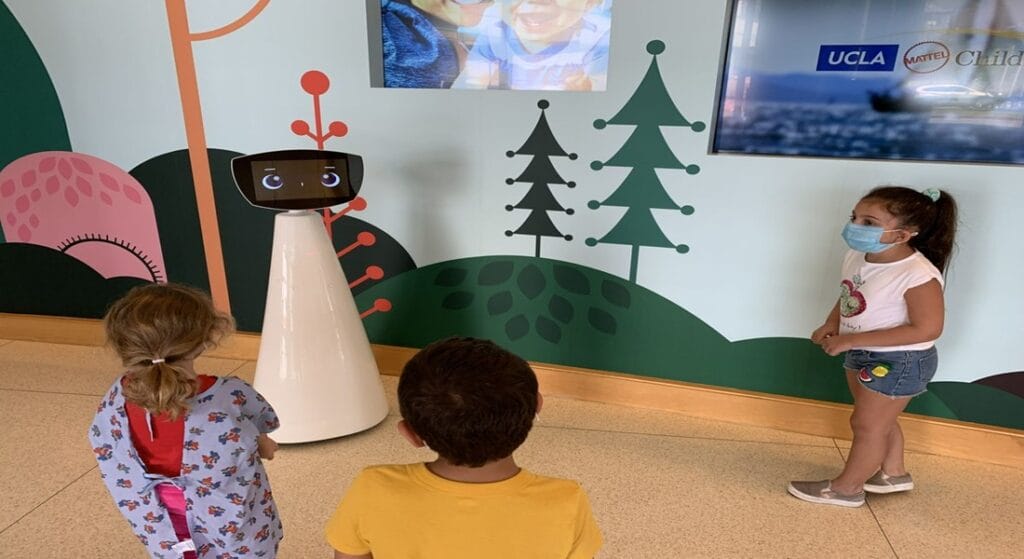
Even more ambitious plans include helping with daily needs for the elderly, such as dressing and moving to the toilet. “We are not talking about replacing staff, but about filling gaps,” its creator clarifies.
From Armenia to US pediatric hospitals
Robin's story began in Armenia, when Khachikyan, raised in a single-parent family, dreamed of building a robot that could be a friend to anyone who felt lonely. The idea found traction in pediatric hospitals, where anxiety and loneliness among young patients are common. The first pilot program began in 2020 at UCLA's Mattel Children's Hospital, and the project has been growing ever since.
Robin's personality is shaped by the reactions of its users. Robin reflects the emotions of the person it is talking to. If the patient laughs, the robot laughs with them, but if they share something difficult, its face reflects sadness and empathy.
See also: The NexLawn robot picks fruit and throws a ball to your dog
Also, when the robot was asked what its favorite animal was, the answer “dog” or “cat” didn’t arouse much interest. But when it answered “chicken,” the children burst out laughing. So the answer stuck. “Robin was designed by the users themselves,” Khachikyan points out.
A digital friend with a human heart
In a world where artificial intelligence often raises concerns about the loss of human touch, Robin proves that technology can bridge gaps rather than create them. From bringing a smile to a child struggling with a serious illness, to comforting an elderly person who feels less alone, this robot shows how innovation can take on a truly human face.
