

Car - related privacy is now one of the top consumer privacy concerns, according to new research that highlights just how widespread data collection is in modern vehicles . Cars today essentially act as smartphones on wheels , recording a driver’s every move, acceleration, braking and turn — and that information ends up with third parties without most drivers knowing. The legality of this practice, as well as the limits of consent, remain issues that concern researchers, lawmakers and consumers around the world.
According to The Verge, a new study from Northeastern University sheds light on the dark side of data collection by automakers like Honda, General Motors (GM) , and Ford. Researchers found that these companies collect far more data than consumers realize, and share it with insurance companies, advertising platforms, and others — often without explicit consent.
The problem is not new, but its scale has exploded in recent years. Modern vehicles have dozens of sensors, cameras, microphones and GPS systems running constantly. Every trip is recorded, every habit is analyzed, and the driver's profile is becoming increasingly detailed. What started as technology to improve safety and the driving experience has turned into a widespread surveillance system.
See also: Google releases 'Your info' card in Contacts app
Car Privacy: What exactly do manufacturers collect?
Northeastern University research reveals that the data collected from cars includes much more than just location information . Manufacturers are recording driving behavior (aggressive acceleration, sudden braking, lane departures), driver habits (hours of use, frequent routes, favorite destinations), infotainment system data (phone contacts, call history, music preferences), and even biometric data in some models.
Honda and GM have been at the center of the investigation due to their extensive use of “driving rating” programs ( telematics ) , which share data with insurance companies. GM was also under fire earlier this year when it was revealed that its OnStar Smart Driver program shared driving data with insurers without customers’ full knowledge — resulting in some seeing their insurance premiums increase dramatically.
Ford, for its part, has filed patents for systems that could allow a vehicle to be remotely disabled in the event of a loan payment being late — a practice that raises serious privacy and control issues. While the company has yet to implement this technology, the existence of the patent reveals the direction the industry is heading.

Privacy, cars and the legal framework: What does the law say?
The legal landscape surrounding automotive privacy is extremely complex and fragmented. In the US, there is no federal law that specifically regulates the collection of data from vehicles. Some states, such as California with its CCPA (California Consumer Privacy Act), provide some protection, but manufacturers find ways to circumvent the restrictions through complex terms of use.
See also: “Your Algorithm”: Instagram wants to offer more customisation
In Europe, the GDPR (General Data Protection Regulation) provides stronger protections, requiring explicit consent for the collection and processing of personal data. However, the application of the regulation in the automotive sector remains uneven, and many manufacturers still use vague wording in their privacy policies. Greece, as a member of the EU, is subject to the GDPR, but Greek consumers rarely check what they are agreeing to when they buy a new car or activate its connected services.
The Mozilla published a comprehensive study last year called “Privacy Not Included,” in which it ranked cars as the worst product category for privacy — worse than even smartwatches and fitness trackers. Of the 25 brands examined, all 25 collected more data than they needed, and 19 of the 25 sold or shared that data with third parties.
The situation is made worse by the fact that automakers’ privacy policies are often opaque and difficult to understand. Research has shown that it takes the average consumer over 30 minutes to fully read a car’s privacy policy — and even then, the legalese is so complex that it makes it impossible to fully understand the implications.
How to protect your privacy: Practical tips
Despite the difficulty of the situation, there are steps drivers can take to limit their exposure. First, check your vehicle’s privacy settings — most modern cars have a settings menu where you can turn off certain data collection features. Second, disconnect your smartphone from the infotainment when you don’t need it, as connecting via Apple CarPlay or Android Auto can transfer data in both directions.
See also: Apple TV approves new project starring 'Your Friends & Neighbors' star
🔒 Protect your privacy with Proton VPN
Swiss VPN from the creators of Proton Mail — strict no-logs policy, strong encryption, and built-in NetShield that blocks ads, trackers, & malware.
- ✔ No-logs, based in Switzerland (except 14-Eyes)
- ✔ NetShield: blocks ads, trackers & malicious domains
- ✔ Covers all devices — free version available
The link is an affiliate link — SecNews may receive a commission at no additional cost to you. It does not affect the independence of our article writing.
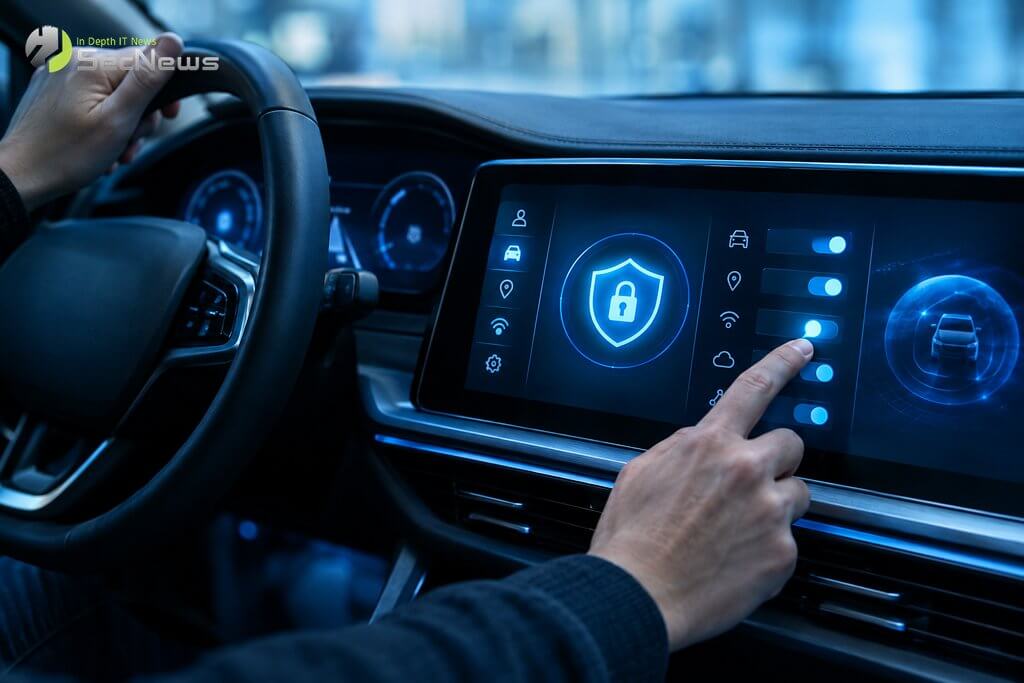
Third, read the terms of use carefully before activating any “connected service” or telematics program. Fourth, if you are concerned about the data already collected, contact the manufacturer and request a copy of your data — in Europe, GDPR gives you this right. Fifth, consider disabling your car’s Wi-Fi hotspot function , as it is an additional data transfer channel.
The automotive industry is at a critical crossroads. On the one hand, data collection enables improved safety, the development of autonomous driving and the provision of personalized services. On the other hand, the misuse of this data undermines consumer trust and creates serious privacy risks. Without stricter legislation and greater transparency from manufacturers, automotive privacy will continue to be one of the most underrated risks of the digital age. Consumers need to be informed and assert their rights before their car knows more about them than they would like.
