

Mental health: Can I trust the advice given in videos on TikTok and Instagram?
Mental health advice on social media can be confusing. Your favorite online content creator may offer valid advice on managing anxiety symptoms or setting boundaries with family members. But they may also be spreading false information or using the platform to promote questionable products.
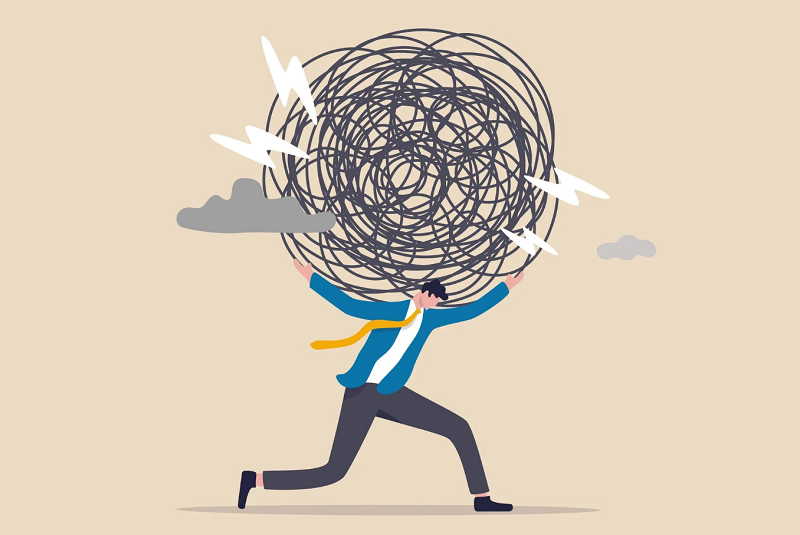
Content creators say many influencers have shifted their focus from “raising awareness” to providing guidance. And because mental health care in the real world can be expensive, difficult to access and stigmatized, more young people are turning to social media to learn how to manage difficult thoughts and feelings.
Online content creators can massively help millions of users
Mental health content creators are typically licensed therapists, social workers, or doctors with deep clinical experience. Many users also share snippets of their own mental health journey, helping other people not feel alone.
However, health information on social media can quickly become distorted. Since mental health content is so highly publicized, content creators can use it to promote their views. Obviously, the fact that it is such a sensitive topic makes the job of creating objective content much more difficult.
See also: TikTok to launch live shopping feature in the US
Mental health is important, and so is the information you receive about it. Now, we come to the important question: How can you determine if online content is helpful and valid?
Being a healthcare or social work professional does not automatically make you a mental health expert.
Kaley Hobson, a psychiatrist specializing in adult and child psychiatry, uses TikTok to provide mental health information. Psychologists, psychiatrists, mental health counselors, social workers, nurses, and doctors are more likely to share real health information.
Kristen Gibson said this: just make sure the creators aren't presenting themselves as mental health experts but actually are.
See also: Apple vice president resigns after vulgar comment in TikTok video
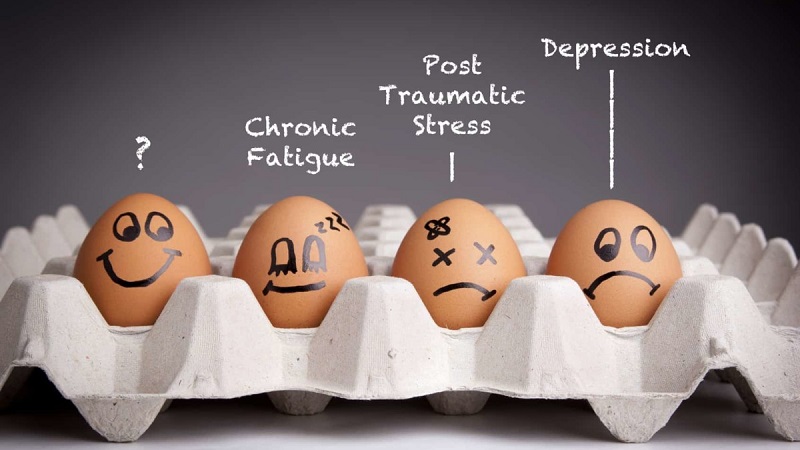
Can you do research on the topic? If you're interested in a specific mental health topic, Hobson said, do some research outside of social media.
Google Scholar is a search engine dedicated to academic research. Search for what you want, click on a study, and read the “Summary” section for a summary of its findings. The National Institute of Mental Health also has fact sheets on various mental health issues.
See also: Did TikTok violate children's privacy?
Psychological research doesn’t always reflect people’s real-life experiences. For much of the field’s history, both researchers and study subjects have been white and male, said Leandro Olszanski, a licensed counselor who makes TikTok videos. That means women, people of color and members of the LGBTQ are often underrepresented, said Jenny “Tully” Gintoli, a clinical social worker and licensed therapist who makes TikToks.
How do you know if the content you come across is helpful? Good and useful content should make you feel optimistic – not desperate and angry.
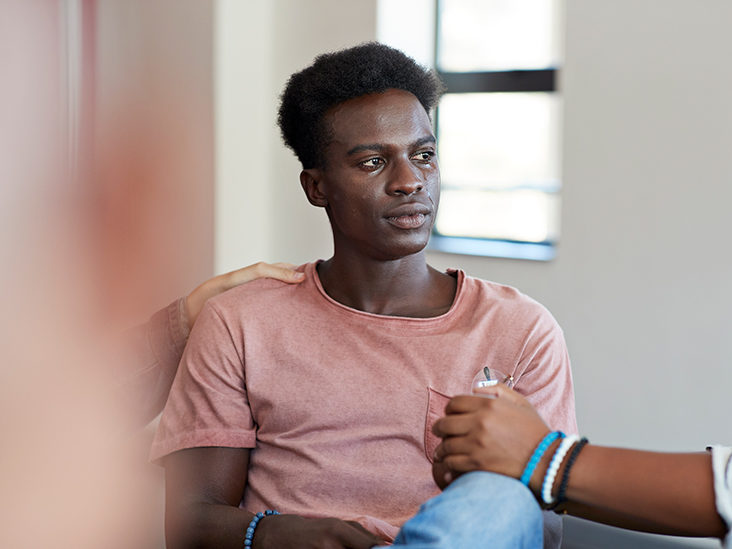
The thing to keep in mind is that social media is not the place to diagnose yourself or others. If you feel like something is wrong with you, see a professional who can guide you on what to do. Not everyone experiences mental illness in the same way. When content creators mention specific symptoms, situations, or feelings as if they apply to everyone with a particular condition, that's a red flag.
If the creator diagnoses people online, unfollow them. And remember, no diagnosis means you can't live a good life.
Source of information: worldbreakingpress.com
