

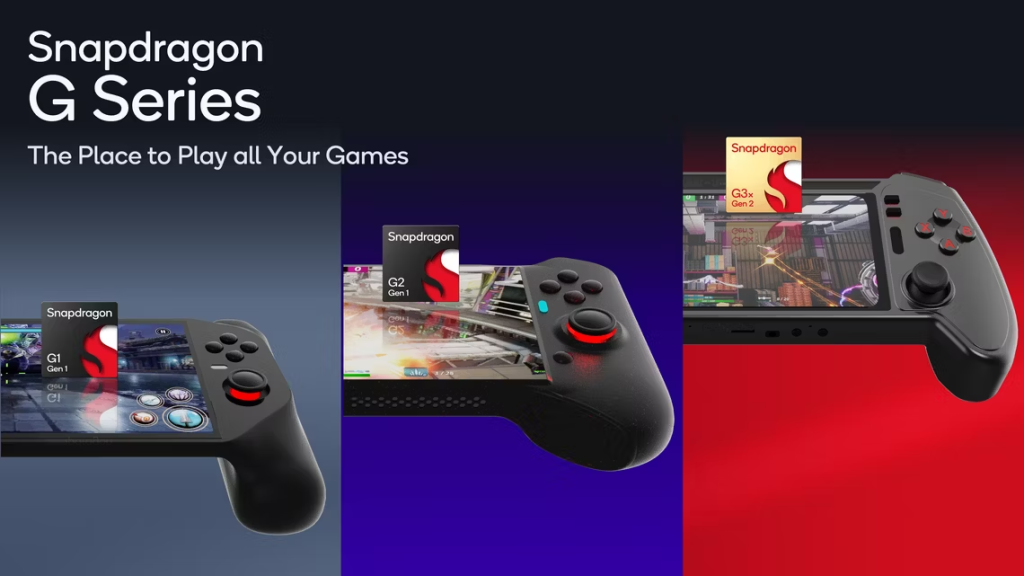
Qualcomm chips do more than power our favorite Android phones. You'll find Snapdragon-branded SoCs inside some of the best Android gaming laptops, and for good reason. The chips are powerful enough for gaming phones. However, Qualcomm has its eyes set on the burgeoning portable gaming category that includes Steam Deck and the Nintendo Switch, reviving an industry that was all but forgotten after the demise of the Sony PSP. To that end, Qualcomm is announcing three new SoCs specifically built for portable gaming at Gamescom in Cologne, Germany this week.
See also: Sony and Qualcomm expand their partnership for new smartphones
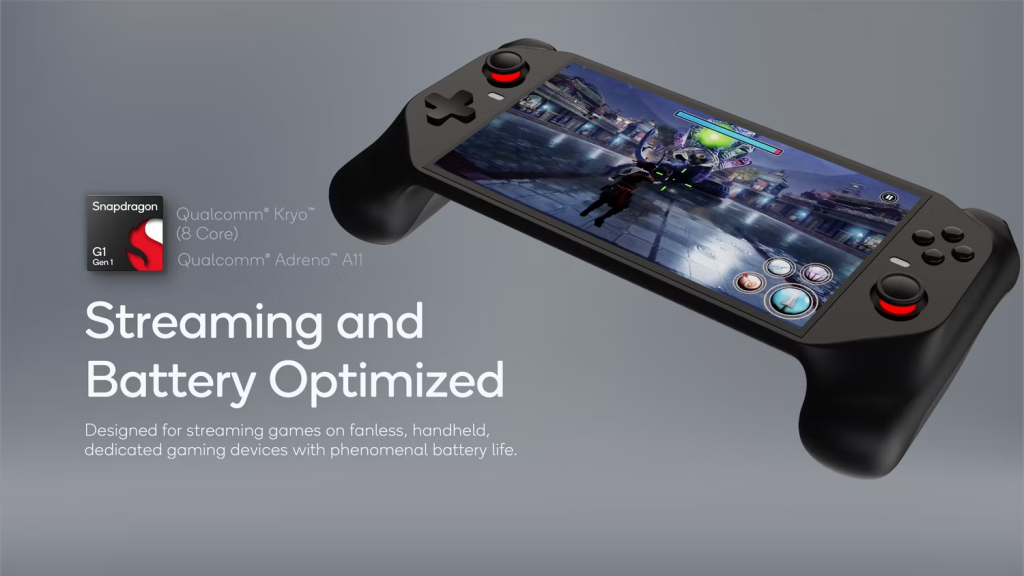
The series is called the Snapdragon G Series and consists of the G1, G2, and G3x Gen 2 SoCs. The G1 supports lag-free game streaming locally or from the cloud. The company has designed this chip for long-term gaming on Wi-Fi, which, according to The Verge, should exceed 10 hours. In an interaction with Qualcomm’s gaming director, Mithun Chandrasekhar, The Verge learned that devices with the G1 chip should cost less than $200, and that’s without Verizon’s subsidies.
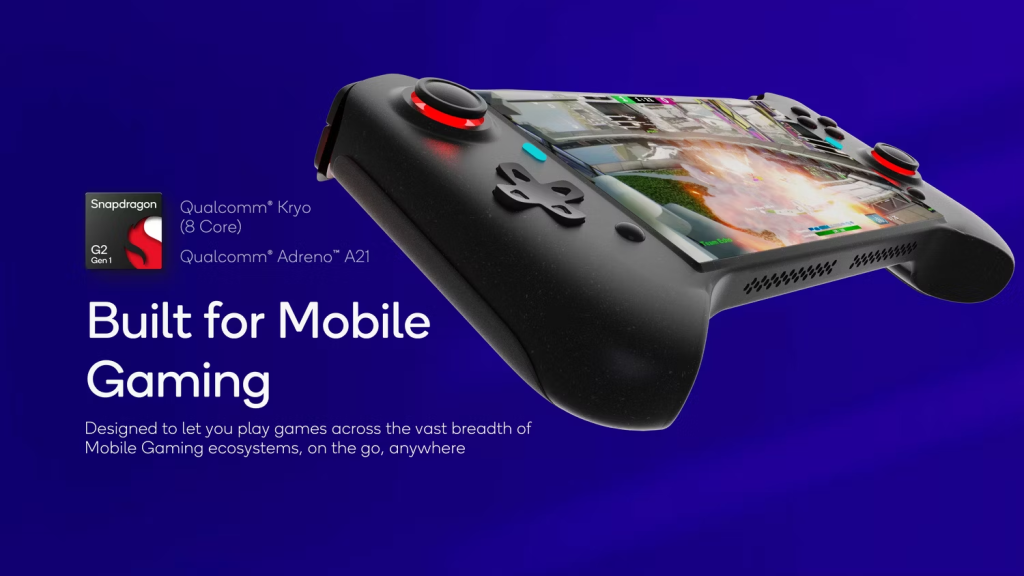
Meanwhile, the new G2 chip is aimed at mobile and cloud gaming with the added benefit of 5G and Wi-Fi 6/6E support. The Snapdragon G2 Gen 1 will be the first chip to carry this branding. It will feature an octa-core Kryo CPU and an Adreno A21 GPU optimized for gaming on the go.
The pinnacle of Qualcomm’s new chipset lineup is the G3x Gen 2 – a chip that can compete with gaming giants like AMD that powers the Steam Deck. With Gen 2, Qualcomm has increased the performance of the octa-core Kryo CPU by 30% while keeping the package’s power consumption at 15-18W. Learning from community feedback on the Razer Edge powered by the G3x Gen 1, the brand has equipped the Gen 2 with an Adreno A32 GPU that is twice as efficient. It enables consistent top-notch performance with features like ray tracing. It’s a complete package for the mobile gamer, featuring support for Wi-Fi 7 and PCIe Gen 4 SSDs that you would use in a PC.
Proposal: Qualcomm: Reduces Bluetooth latency to 20ms
However, those who are a bit skeptical may note that these tech specs still don’t compare to the industry’s top gaming consoles. Chandrasekhar told The Verge that they could conceivably increase the clock speeds on the new SoC to eliminate the competition, but that would kill the console’s battery life. This means that console brands could show interest in the new G3x Gen 2, even though it’s not yet ready to handle PC gaming.
This is evident with the launch of the Android. Despite having the new powerful chip at its core and a 6.8-inch 144Hz OLED display, it didn’t impress The Verge with its gaming performance. This is mainly due to the fact that current-gen Android games are optimized for smartphone SoCs, not dedicated gaming chips. Furthermore, some heavy-duty titles like PUBG: Mobile outright lack support for external controllers.
With that in mind, Qualcomm is looking beyond the Android and Windows gaming ecosystems. Console makers like AyaNeo, Huaqin, Inventec, and Thundercomm are already lining up to include the new Qualcomm G3x Gen 2 in their hardware. Chandrasekhar also reiterated that Qualcomm is banking on these chips to break out of the gaming phone market and target gamers with purpose-built mobile devices at various price points.
Read also: Qualcomm's iSIM could eliminate SIMs and eSIMs
source of information:androidpolice.com
