

Companies selling consumer electronics such as refrigerators, washing machines and televisions in the EU and the UKwill have to ensure that these products are repairable for up to 10 years.
Under new legislation from the European Parliament, stronger “right to repair” rules are being introduced. These rules will help reduce electrical waste, which is increasing due to increased construction.
While the United Kingdom has left the European Union, UK manufacturing standards will have to match those of the other 27 nations in order for trade. The rule came into effect yesterday.
“This is a very big step in the right direction,” said Daniel Affelt of the environmental group BUND-Berlin, which runs several “repair workshops” where people can bring in their broken devices and get help fixing them.
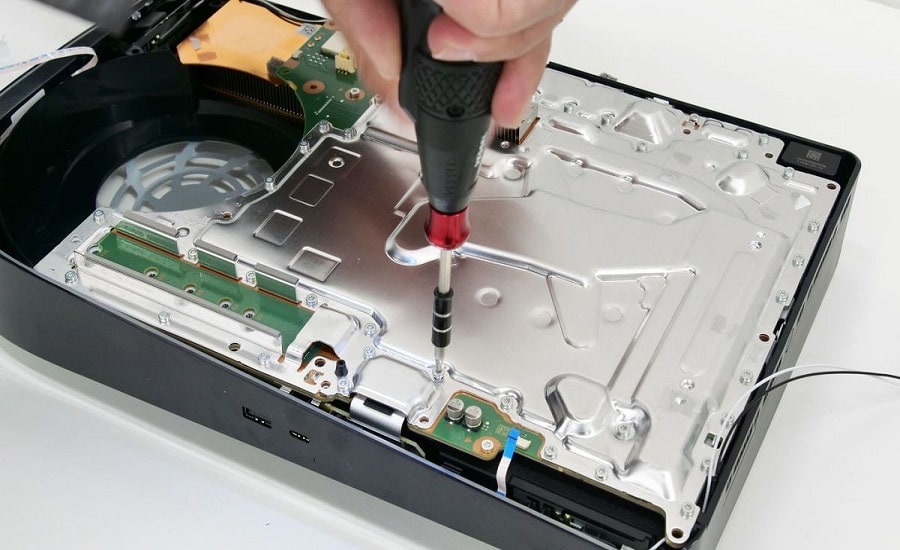
Modern devices are often so tightly constructed that “you need specialized tools to open the device and you can’t repair it.”
The lack of parts is another problem. “People want to get their devices repaired,” Affelt said. “When they’re told there are no parts for a device that’s only two years old, they’re obviously really frustrated by that.”
According to the new EU rules, manufacturers must ensure that spare parts are available for up to a decade, although some will be supplied only to professional repair companies to ensure they are installed correctly.
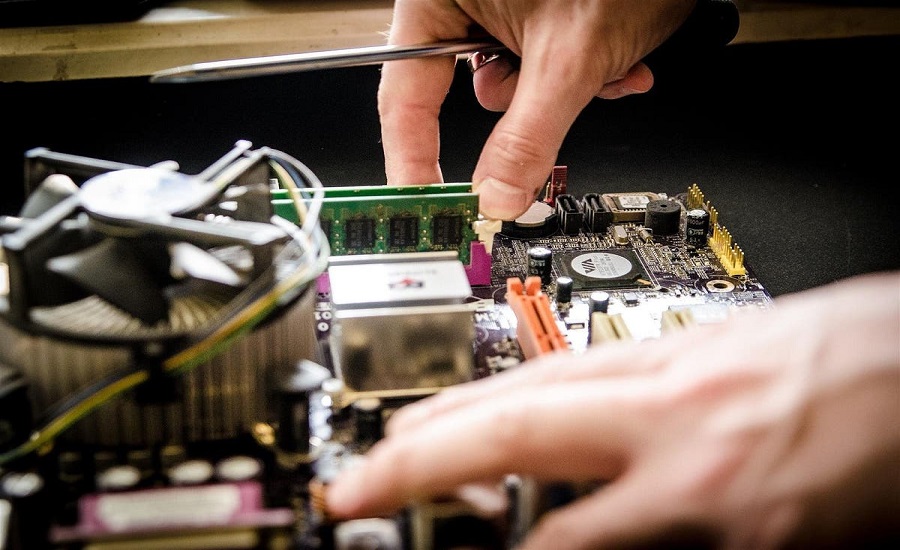
New devices should also be accompanied by repair manuals and manufactured in such a way that they can be disassembled using conventional tools when they can no longer be repaired, to improve recycling.
Each year, Europeans produce more than 16 kilograms of electrical waste per person. About half of this trash is due to broken household appliances and the EU recycles only about 40%, leaving behind huge amounts of potentially hazardous materials.
German Environment Minister Svenja Schulze said that in the next step, manufacturers would have to state how long a product is expected to last and repair it if it breaks down sooner. This would encourage companies to make more durable products, she said.
“We see a lot of devices in repair shops that break down shortly after the warranty expires,” Affelt said. This phenomenon has led many to accuse manufacturers of intentionally designing their devices this way.
“For the vast majority of devices, repair is the right choice,” Affelt said. In a next step, environmentalists and consumer rights groups want the “right to repair” to be expanded to include smartphones, laptops and other small electrical appliances.
Responding to growing demand, Apple last year announced it would start providing training and parts to certified independent repair shops that repair Macs, not just iPhones. Sweden has gone further than most of the EU, charging a lower value-added tax on repairs and parts.
