

Simply put, a local area) is a group of computers and other devices that are connected to a network and are located in the same location – usually within a building (office or home).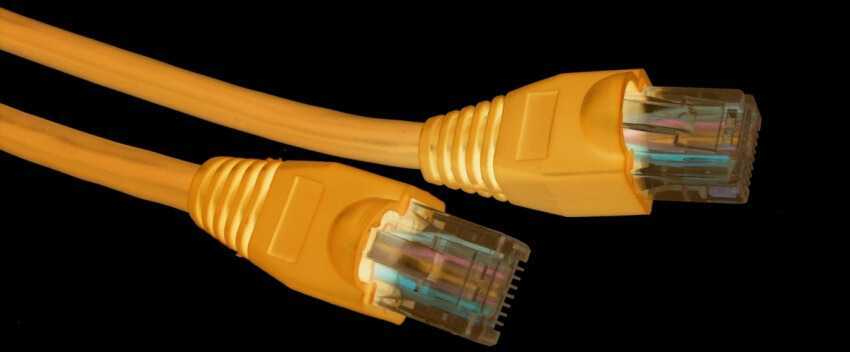
What is LAN?
The name of the network tells us two different properties: We are talking about a local network, connecting many devices. Local in some implications can change, as we will see below, to distinguish other types of networks. There are, for example, Wide Area Networks (WAN) and Metropolitan Area Networks (MAN).
Networks are usually limited to a small area, usually a building, but this is not necessarily the case. This area can be your home or business, but it will be a much larger area, such as an entire office building containing hundreds or thousands of devices.
But regardless of the size, the main characteristic of a LAN is that it connects devices located in a limited area.
The advantages of using a local LAN are well known: devices can share a single Internet connection, share files with each other, print to shared printers, and much more.
In larger LANs, there are specialized servers for email services, storage, and access to other resources of a company.
What types of technologies are used in a local area network?
The technologies used in a LAN depend on the number of devices present and the services provided on the network. The two main types of connections used in modern LANs (regardless of size) are Ethernet cables and Wi-Fi.
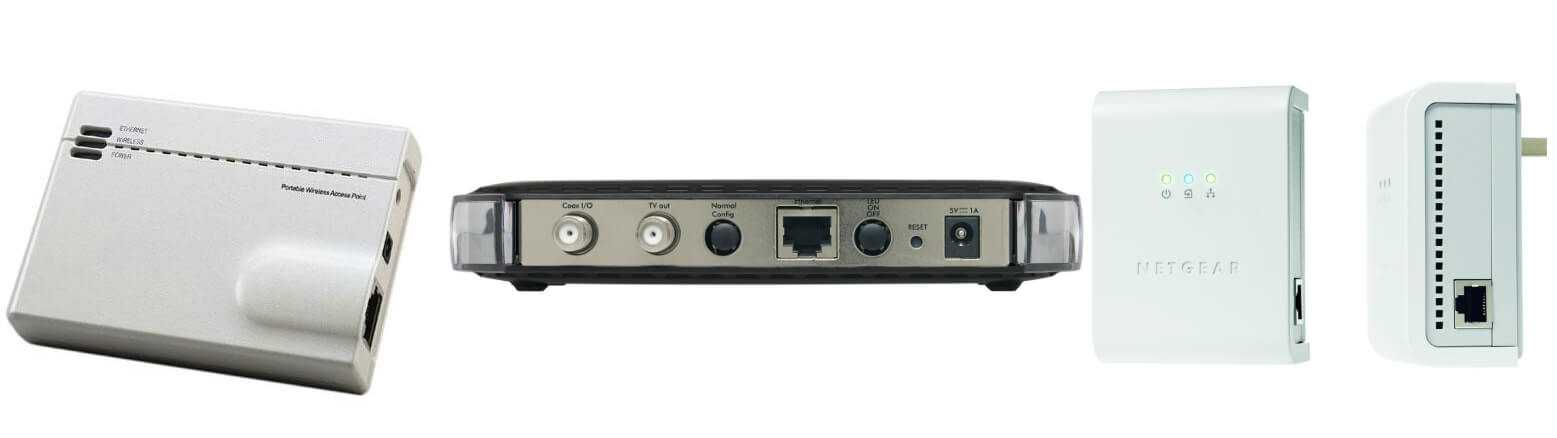
In a typical LAN at home or in the office you will find a modem that provides the internet connection, and a router that allows other devices to share this connection and connect to each other. There is also a Wi-Fi access point that allows devices to have wireless access to the network.
Sometimes, the functions are performed by a single device. Many providers, for example, provide free with each new connection, a device that includes the modem, and the router, which can be used as a firewall, but also as a Wi-Fi access point. There are also switches that allow you to provide an Ethernet connection to multiple connection points.
In larger LANs, there are roughly the same devices but they are much more powerful. Professional routers and switches can handle many more simultaneous connections than their home counterparts. They also provide more security and monitoring options.
What are WAN and MAN networks?
Wide Area Networks (WANs) and Metropolitan Area Networks (MANs) are very similar. Campus Area Networks (CANs) also exist but are not often mentioned. All of these networks are essentially networks that connect many LANs together.
A MAN, for example, consists of many LANs connected to each other via high-speed networks and located in the same city. A WAN also consists of many LANs, but it extends over an area larger than a single city and can be connected using different types of technologies. A CAN also consists of many LANs located within a university campus.
Let's give a classic example of a WAN: consider a company that has branches in three different places across the country (or the world). Each branch has its own local area network. These LANs are connected together into a network via dedicated, private connections, or perhaps via the Internet. Here we should mention that connections between LANs are not as fast, reliable or secure as connections between devices on the same (local) network.
We can call the Internet the largest global WAN, since it connects thousands of LANs around the world.
___________________________________
- Linux Mint 19 More about the new version: Linux for everyone
- Facebook fined £500,000 over Cambridge Analytica scandal
- Facebook announces the end of its ambitious Aquila project
