

RFID cards use radio frequencies to transmit data. Consumers can use these cards to pay for purchases without having to swipe the card through a scanner. Many people are still concerned, however, that RFID technology can also allow thieves to use scanners to intercept the radio waves and steal the card information. While the technology has seen significant security improvements in recent years, some concerns remain.
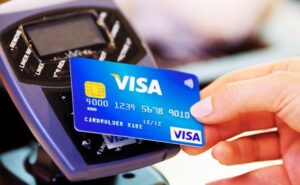
We present to you some ways to protect your cards from malicious people.
- Place your cards next to each other in your wallet. This can make it harder for thieves to read a specific card, but the protection is limited.
- Carry RFID cards in a front pocket. If you usually keep your credit cards in a wallet in your back pocket, you are potentially more vulnerable to possible theft.
- Be aware of other people around you when using your credit cards. Some of the newer RFID technologies limit the opportunity for thieves to scan your cards to short distances and only at the time of sale. Before using your card in a store, check around you to make sure no one is standing within a few feet of you and your transaction should be secure.
- transactions your credit card for unusual activity or errors. This may not prevent thieves from stealing your card information, but monitoring your transactions will help you identify any unauthorized purchases and limit your potential losses.
- Buy an RFID credit card wallet. There are many commercial products available that claim to block RFID scanners from obtaining your personal information. They can be separate RFID card holders or wallets that are lined with material to block the scanners.
- Buy an RFID jamming card or device. Some companies have created credit card-sized devices that send out their own RFID signal that will disrupt scanners trying to capture your credit card information.
- Protect yourself in inexpensive ways. Cut two pieces of paper or cardboard the size of a credit card, wrap each piece in aluminum foil, and place them in your wallet around your credit cards. Aluminum will block most electronic signals.
- You can also wrap each credit card in aluminum foil and place the wrapped cards in your wallet. The foil protects the card from scanners.
- Make sure the sellers you use online are legitimate.
- Look for signs of a “secure” website. Truly secure websites use extra protection called Secure Sockets Layer, or SSL, and the website address will start with “https” instead of the usual “http.” Additionally, a secure website will display a closed lock icon in the status bar at the bottom of the page.
- Keep your computer clean. For safer online shopping, keep your computer free of viruses or spyware. There are software products you can purchase or download for free that will help keep your computer clean.
- Use a temporary credit card for online purchases. Many banks offer this service free of charge. You can get a card number that is different from your real account, but the bank links it to your account for online purchases.
📧
Subscribe to the SecNews Newsletter
