

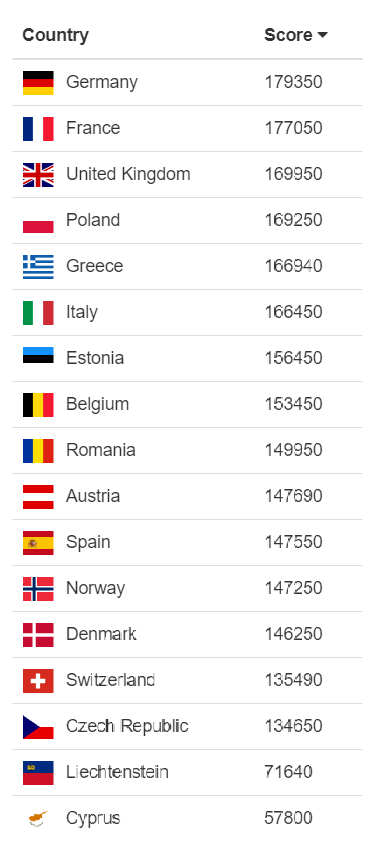
This year's pan-European cybersecurity competition, European Cyber Security Challenge 2018 (ECSC '18), held in London, has come to an end and found the Greek participation in 5th place against behemoth countries.
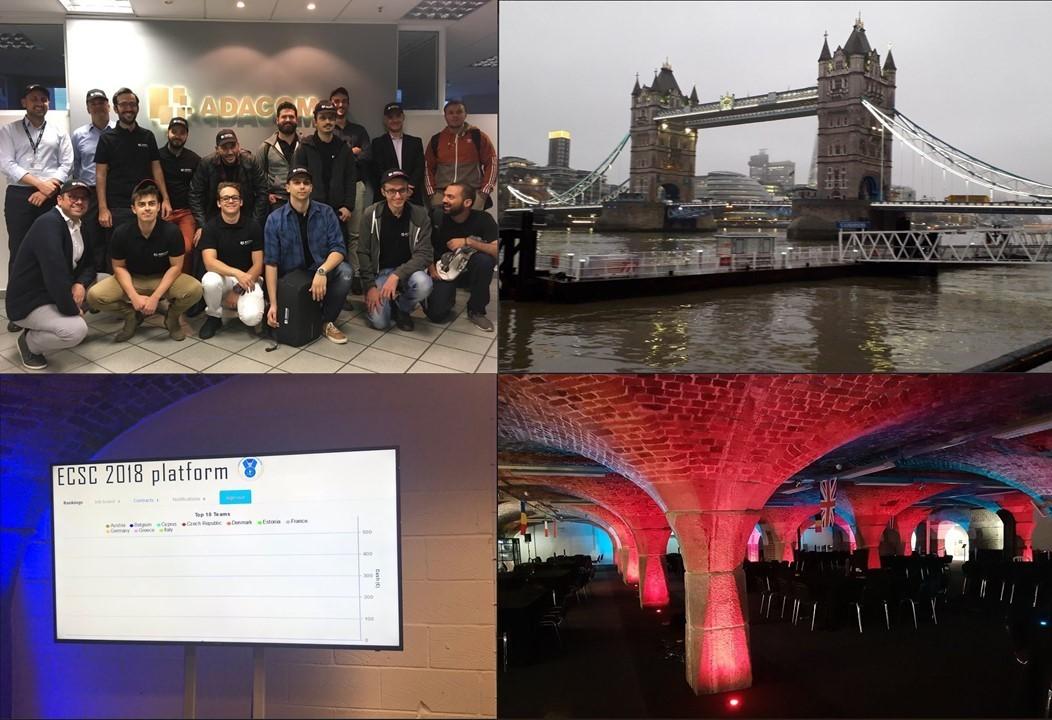
This year, the number of countries participating in the competition reached 17 and the level was higher than ever before. This fact did not hinder our national team, which managed to show its class, filling us with pride and at the same time with hope for a bright future in the field of cybersecurity.
Below we present the final results of the competition:
The preparation of the participants throughout the training sessions is coordinated by Mr. Konstantinos Vavousis, director of Secnews.gr (https://www.secnews.gr/) and is carried out by experts from the Hack the box community (https://www.hackthebox.eu/) and the Greunion team (https://twitter.com/greunion_ctf).
The competition is an initiative of the European Union Agency for Network and Information Security (ENISA), which operates as the European Union's centre of expertise on network and information security. The Greek mission is supported this year by the Ministry of Digital Policy, Telecommunications & Information and the General Secretariat for Digital Policy.
The aim of the competition is to find, attract and promote a new generation of talent in the field of cybersecurity, through a series of demanding challenges. The countries that participate in this competitive challenge each year are represented by a single team, consisting of ten people, the coaches and the captain.
 The responsibility for the Greek participation in the competition lies with the Department of Digital Systems of the University of Piraeus. Led by the department's associate professor, Mr. Christos Xenakis, a specialized team of volunteers involved in the field of cybersecurity prepared the Greek participation for the pan-European ECSC 2018, aiming for a high distinction.
The final ten contestants representing our country at ECSC 2018 were formed after a multi-month testing process. The team consists of 10 young people between the ages of 14-25, who stood out with their performance in the qualifying competition held last April. From then until early September, all the children who qualified began intensive training, with live-hacking tests and education, which aimed to inform and practice the participants on modern threats, security gaps and the means used by hackers to bypass security systems.
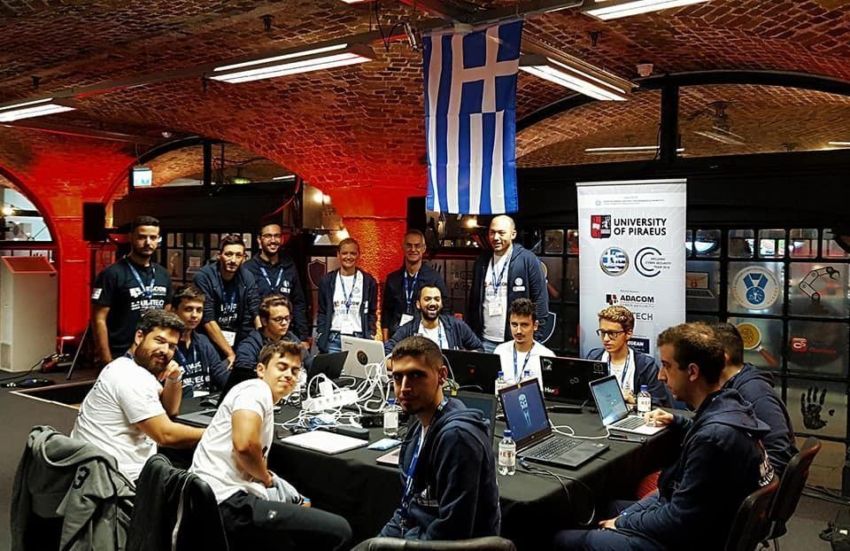
This year's team consists of ten young people, professionals and non-professionals, hackers, security researchers, but even students, who are involved in hacking.
