

The Ransomware is a type of malware that cryptographically locks the victim's hard drive until they pay a ransom. It is an extremely popular method among cybercrime criminals. This tactic is so successful that some ransomware developers have started to sabotage other ransomware, in an effort to prevent competition.
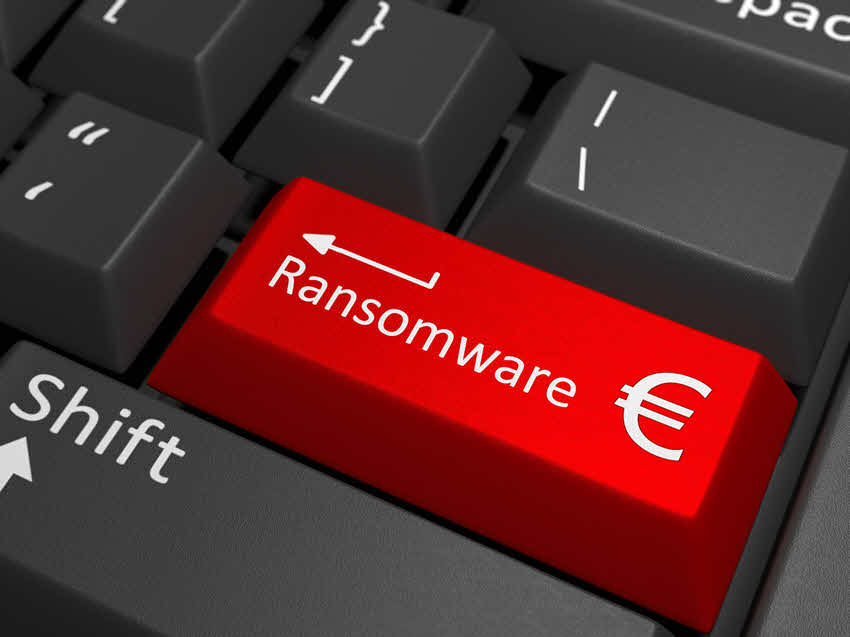
Earlier this week, 3,500 keys for a ransomware strain known as “Chimera” were leaked online , supposedly allowing Chimera victims to securely decrypt their files without having to pay a ransom in bitcoins. The decryption keys were apparently published by the makers of a rival ransomware package called “Petya & Mischa,” who claimed to have hacked into Chimera’s development system, stealing the keys and pieces of code.
The Chimera is a particularly unpleasant type of ransomware that locks not only the victim's hard drive, but threatens to leak their confidential files online if the ransom is not paid. It is not yet clear whether the leaked keys will work and actually decrypt the locked machines that have been affected by the malicious software, however, the security company Malwarebytes, which first noticed the leak, reports that some time will be needed for them to be checked.
In any case, the developers of Petya & Mischa appear to have distributed these keys to “promote” their own ransomware, which is based on the stolen Chimera code and is now offered as a service on Tor, to cybercriminals looking to earn a few bitcoins from it.
It appears that an undeclared war has begun among criminals. Previously, ransomware developers said they were outraged by a recent fake ransomware, which displays terrifying messages, but in reality does not unlock the victim's hard drive when they pay the ransom. The criminals' reasoning is that fake ransomware could make people believe they cannot get their files back if they are hit by a real ransomware, jeopardizing future profits.
