


Buying a new computer is not an easy task (are you talking to me?) and requires a lot of research and thought. There are a multitude of configurations available for each brand to choose from, and confusion is inevitable! The most common questions that tend to confuse users are about i5 vs i7 processors, RAM, and graphics.
How much RAM would be enough for your computer? This is always a tricky question. According to a recently published TechSpot comparison study of system performance with 4GB, 8GB, and 16GB of RAM, the “more RAM is better” logic doesn’t apply here!
https://www.secnews.gr/
TechSpot tested Windows 10 desktops with separate RAMs to see how each one performed. Each desktop ran two browsers, loaded some heavy games, and had 65 tabs open in the background. The machines were then further tested with Postbox, Photoshop, Microsoft Word and Excel, Dropbox, and other background programs to see the differences between using 4GB, 8GB, or 16GB of RAM.
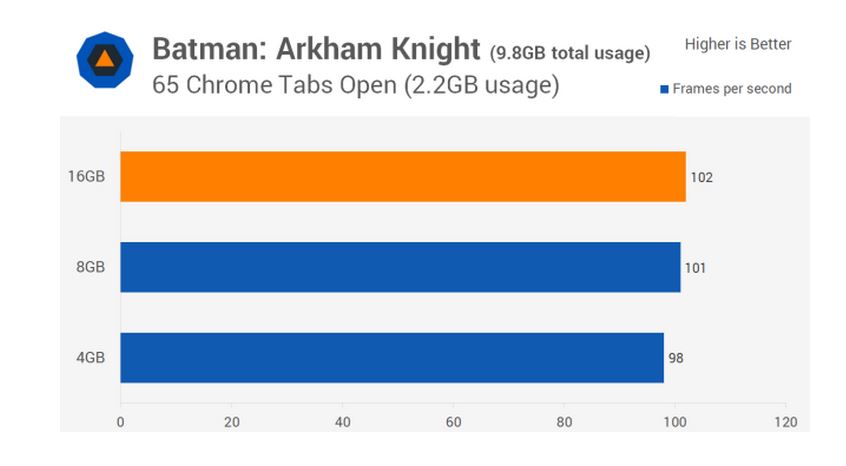
The machines were then further tested with Postbox, Photoshop, Microsoft Word and Excel, Dropbox, and other programs running in the background to find the differences between using 4GB, 8GB, and 16GB of RAM.
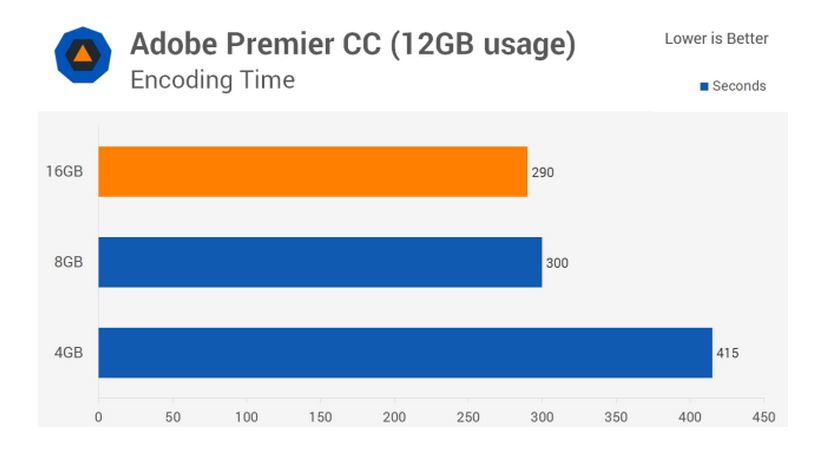
As you can see for yourself, 16 GB of RAM doesn't automatically make your computer much better. Other tests have shown that even 4 GB of RAM would be enough for average users.
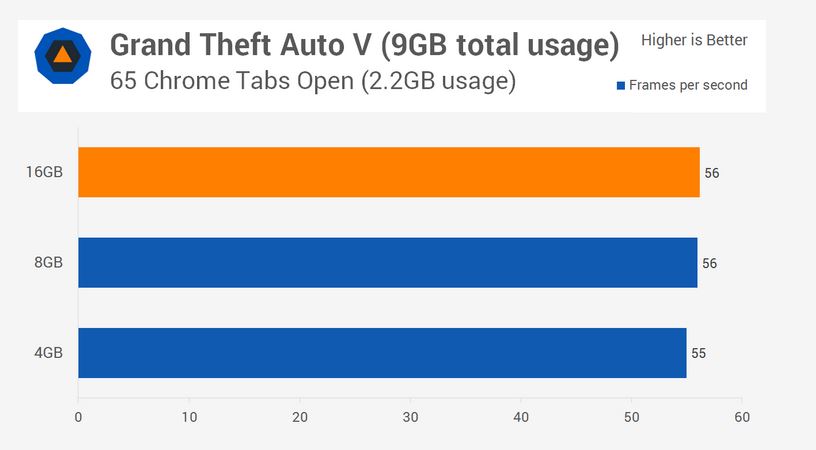
16 GB of RAM gives you slightly better performance if you are a heavy user and are going to be dealing with very heavy programs such as those used for video editing or running virtual machines. 16 GB of RAM also helps a lot when compressing huge files with 7-zip.
https://www.secnews.gr/101579/sci-hub/btn-large” variation=”btn-info”]See also: Sci-Hub: The 'piracy' of researchers with 48 million free academic documents
