

Apple is preparing for one of the most important announcements of the year, as it is expected to officially present the new iOS 27 at the annual WWDC developer conference on June 8. As happens every year, the new version of the iPhone operating system is accompanied by intense rumors about new features, design changes and – most importantly – the list of devices that will continue to be supported.
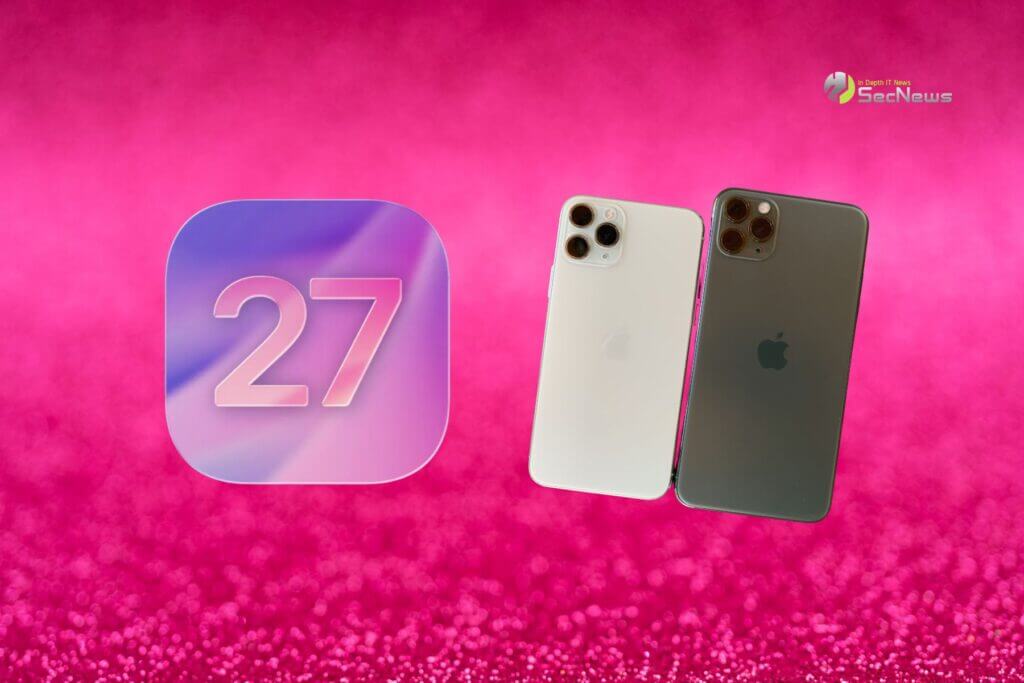
And according to the latest leaks, Apple appears set to withdraw support for four popular iPhone models, marking another major transition for its device ecosystem.
See also: iOS 27: Automatic Subtitles for Personal Videos on iPhone
iPhones that may be left out of iOS 27
The information comes from the well-known leaker Instant Digital on the Weibo platform , who published a list of models that are allegedly compatible with iOS 27. Four devices that currently support iOS 26 are absent from this list:
- iPhone 11
- iPhone 11 Pro
- iPhone 11 Pro Max
- iPhone SE second generation
If the information is confirmed, then iOS 27 will require at least an iPhone 12 or newer model, while for the SE series, support will start from the third-generation iPhone SE onwards.
This development is not entirely unexpected. Apple has been following a gradual strategy of ending support for older devices for years, usually when the hardware can no longer meet the demands of new artificial intelligence and data processing features.
Apple raises hardware requirements
The iPhone 11 was released in 2019 and is still considered very popular worldwide. While the performance of the A13 Bionic remains decent, the new features that Apple is preparing seem to clearly require more powerful hardware.
The company's big bet for iOS 27 is expected to be Apple Intelligence, the new artificial intelligence platform that will significantly expand the capabilities of Siri, notifications, automatic text editing and application management.
See also: iOS 27: New accessibility features highlight Siri's capabilities
However, many of these features require increased processing power and a next-generation Neural Engine. For this reason, several AI features are expected to work exclusively on devices like the iPhone 15 Pro and later.
This means that even users who are able to install iOS 27 may not gain access to all the new features.
Changes expected in iOS 27
Although Apple is keeping its hands off the table until WWDC, rumors point to one of the biggest iOS updates in recent years.
Among the most significant changes that have been leaked include:
- new design philosophy with “Liquid Glass” elements
- significantly upgraded Siri
- deeper integration of AI functions
- smart application management and multitasking
- dynamic widgets with more interaction
- improved privacy and security features
Apple appears to be attempting an overall transition towards a more AI-centric operating system, following the general trend that dominates the technology industry today.
What this means for owners of older iPhones
While the loss of support sounds dramatic, in practice devices don't stop working. Apple typically continues to provide security updates and bug fixes for older versions of iOS for quite some time.
Thus, the iPhone 11 and iPhone SE 2nd generation will likely continue to receive security updates via iOS 26, even after the release of iOS 27.
See also: iOS 27: Create custom wallpapers and Shortcuts with AI
However, the gradual loss of new features and applications indirectly creates pressure to upgrade a device. This is a strategy that Apple has consistently followed for years, while maintaining one of the longest software support periods in the smartphone market.

The era of AI is changing data on smartphones
The move to iOS 27 shows something much bigger than just an annual update. The smartphone industry is now entering the era of artificial intelligence, where AI capabilities increasingly determine which device is considered “modern.”.
Companies are no longer competing just on cameras or gaming performance, but also on the ability of devices to run local AI workloads, process data in real time, and provide personalized user experiences.
And in this new reality, even a powerful model a few years old can be considered technologically limited.
WWDC is now anticipated with particular interest, as Apple is preparing to reveal not only the future of iOS, but also how it imagines the next generation of "smart" iPhones.
