

Google is preparing to take one of its biggest steps into the next generation of wearable technology, announcing that its first artificial intelligence-powered “smart glasses” will be released in the fall of 2026.The new device marks the company’s official entry into the new battle of AI wearables, a market that is expected to be the next big battleground between the tech giants.
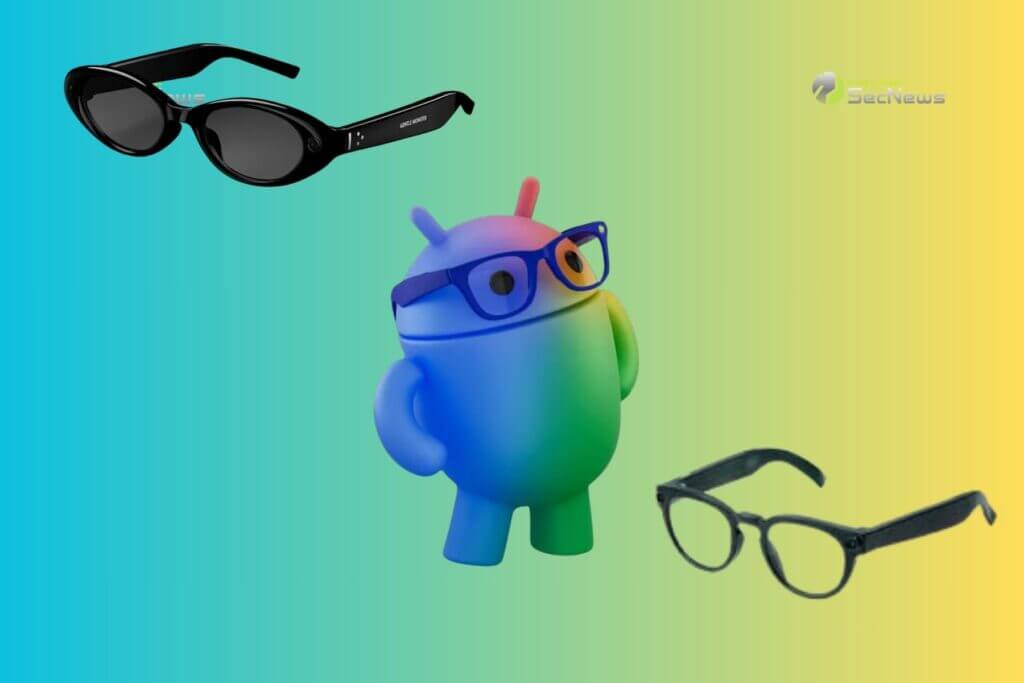
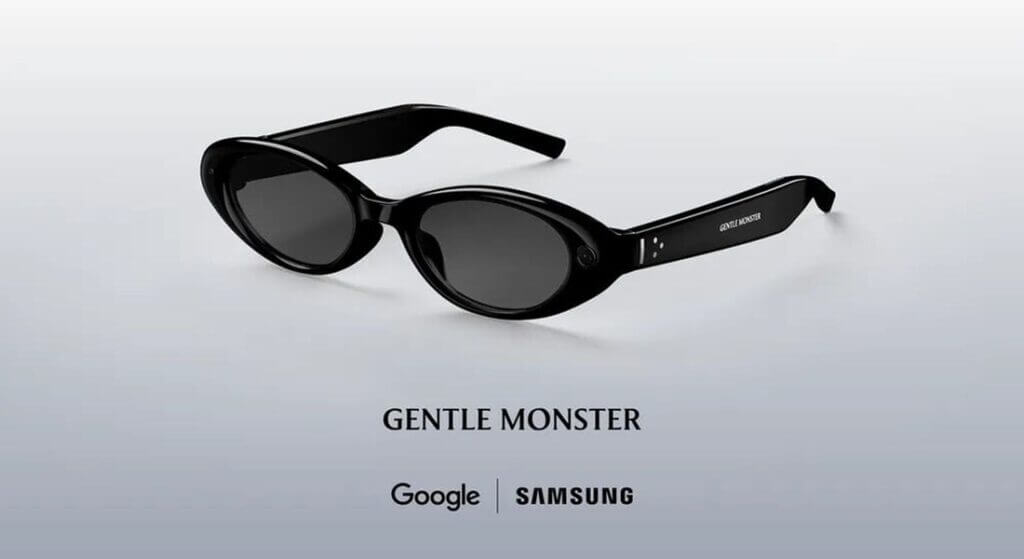
Google is working with Samsung , as well as well-known eyewear brands Gentle Monster and Warby Parker , to develop the new smart glasses . This choice clearly shows that the company does not want to create just another tech gadget, but a product that can be worn every day and combines functionality with modern design .
The new Google AI glasses are based on Android XR
The device will run on Android XR, Google's platform for augmented and virtual reality devices. Unlike traditional AR headsets, the company's first glasses will not have a screen inside the lenses.
See also: AI “Galaxy Glasses”: Samsung prepares to release AI glasses before Apple
Instead, they will rely on a combination of cameras, microphones, and speakers , with Gemini artificial intelligence acting as the main "digital brain" of the experience.
Users will be able to activate Gemini either by saying “Hey Google” or by touching the frame of the glasses. From there, the AI will analyze the environment in real time and provide useful information without the need for a smartphone.
Google seems to be choosing a more discreet and practical approach compared to the more "heavy" AR solutions on the market, aiming more at an everyday wearable than a full mixed reality headset.
Gemini AI turns glasses into a personal assistant
The most important element of the new device is the full integration of Gemini, which will run continuously in the background.
Google presented several use cases that reveal just how ambitious the project is. The glasses can recognize locations, display restaurant information, analyze signs , or even explain complex information displayed in front of the user.
At the same time, the device will support vision-based turn-by-turn navigation, allowing Gemini to guide the user in real time without having to look at their phone.
The AI will also be able to make calls, manage messages, summarize emails and notifications, and control apps on the connected smartphone via voice commands.
See also: Apple AI smart glasses: Support hand gesture controls?
Google is also placing particular emphasis on translation capabilities, as the glasses will be able to translate speech and written text in real time, a feature that could significantly change the way we communicate during travel and international meetings.
AI photography and social media are in the spotlight
The smart glasses will also allow for taking photos and videos via the built-in cameras, with the content automatically processed by Google's new AI engine, Nano Banana.
The company is clearly attempting to connect wearables with content creation and social media, following a strategy similar to that of the Meta Ray-Ban smart glasses.
Analysts estimate that the creation of short videos, live content and AI-enhanced photos will be one of the main reasons for purchasing the device for younger users.
At the same time, the ability to complete complex actions, such as ordering coffee through DoorDash exclusively with voice commands, shows that Google wants to turn Gemini into a true AI agent for everyday use.
Google is trying to catch up with Apple in the new wearables battle
The launch of smart glasses is gaining particular importance due to the increasing competition in the field of artificial intelligence and wearables.
Apple is rumored to be developing its own AI smart glasses, but according to information so far, the product is not expected before 2027.
This gives Google a chance to gain a lead in a market that many see as the natural evolution of smartphones. Google's biggest advantage is its ecosystem. It already controls Android, Gemini, Chrome, Maps and dozens of cloud services, which allows it to connect the glasses to a vast network of apps and data.
See also: Gucci smart glasses with Google AI coming in 2027
Furthermore, the company confirmed that the glasses will work not only with Android smartphones but also with iPhones, a move that shows that it is aiming for as large a user base as possible.
Google's future includes glasses with augmented reality screens
Although the first generation of smart glasses does not have screens in the lenses, Google has confirmed that it is already working on future "display glasses" with integrated micro-displays.
This next generation will be able to project information directly into the user's field of view, turning the glasses into a full augmented reality tool.
The AI wearables market is still in its early stages, but Google seems determined to play a leading role. And this time, unlike the failed Google Glass of the past, the company seems to believe that artificial intelligence is the element that can finally make smart glasses truly useful in everyday life.
