

Meta's Ray-Ban Display glasses may be getting competition from a company that makes visor-style AR glasses. A little-known company called Vonderful Inc. (AR Viture)is preparing to launch its first pair of AI glasses around CES ,according to a website that appears to have been published prematurely and a recent FCC filing.
See also: Amelia: Amazon's smart glasses for delivery drivers
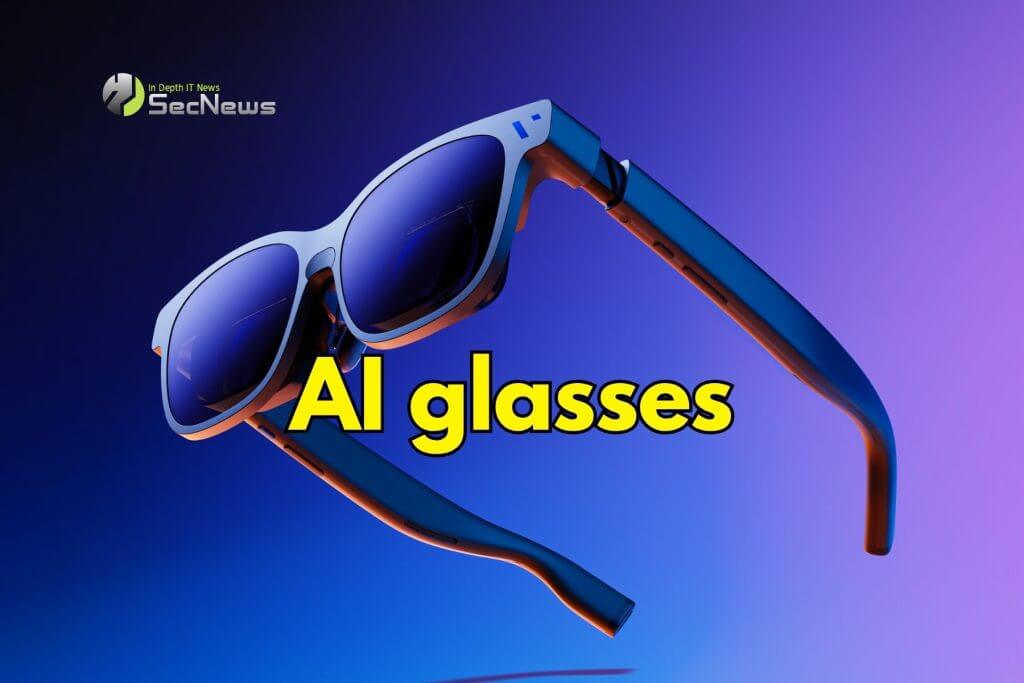
Operating under the Vonder brand, the company promises to create “the most advanced smart glasses ever created” by combining augmented reality with “real-time information and assistance powered by advanced artificial intelligence.”
That's an ambitious undertaking, especially considering that Meta just released the $799 Ray-Ban Display glasses, which are considered the most consumer-ready AI glasses with a built-in display to date. However, Vonderful isn't starting from scratch: Vonder appears to be a secret project of Viture, an AR startup that's been making glasses since 2021.
The connection was revealed in Vonder’s FCC filings, which were submitted by a Viture employee identified as a “project manager” for Vonder. A landing page for Vonder, complete with a countdown timer indicating an early 2026 launch, is hosted on Viture’s servers. A trademark for Vonder was filed by Eden Future HK Limited, which has been identified in Chinese media as the owner of Viture.
See also: M5 Apple Vision Pro production moves to Vietnam
Viture is one of a handful of companies with Chinese roots that makes visor-style glasses that connect to your phone or computer for power and computing power, essentially mirroring those screens with an AR overlay. These devices typically use “birdbath” optics, which involve a set of mirrors to layer images over your view of the real world — a bulky approach that can’t really compete with the more advanced waveguide used by devices like Meta’s Ray-Ban Display glasses.
These glasses might be an acceptable solution if you want to have a secondary screen for your phone, laptop, or games console, but you wouldn't want to walk down the street with them on unless you're okay with always having a cable hanging from your side connecting your phone and glasses. Without built-in computing power, their AI functionality is also limited to what your phone offers.
See also: Special implant and smart glasses help blind people

Viture launched its first visor device in 2022 and doubled down on the product category with several new models this summer. In addition to the glasses themselves, Viture also sells a collar that contains the necessary computing power to operate the glasses without being connected to a phone, while also providing some gesture control via built-in cameras.
