

Volkswagen oneof the world's largest carmakers, is making a major shift in its strategy as it now receives more orders for electric cars than for gasoline and diesel cars in Germany, its home market and Europe's largest. This shift in demand has led the company to cancel planned extra shifts at its historic Wolfsburgwhile adding new shifts at its Emden and Zwickau plants.
See also: Volkswagen: Cars of 2027 will be transformed into gaming stations with AirConsole
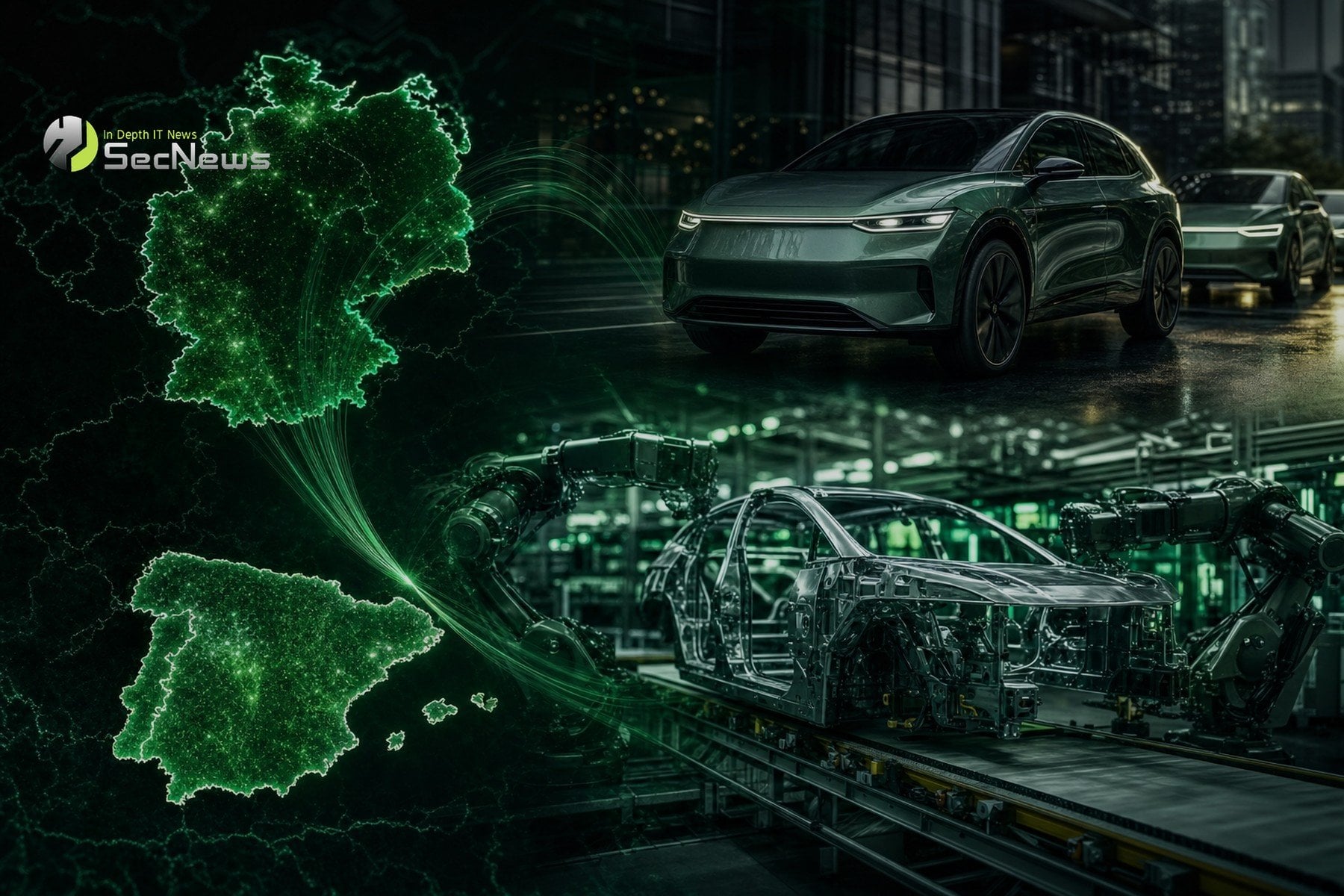
The shift towards electric cars is no coincidence. The four economy models that are leading this change have received around 100,000 orders in total and are all built in Spain. These models, the ID Polo, Cupra Raval, Skoda Epiq and Volkswagen ID Cross, make up the Electric City Car Family and are built at the Martorell plant, which has undergone a major upgrade with investments of over 3 billion euros. In total, Volkswagen has invested around 10 billion euros in electrifying its Spanish operations.
This change in production strategy has significant implications for the company and the market. The Wolfsburg plant, which builds the Golf, Tiguan and Tayron, had planned extra shifts to increase this year's production from 580,000 vehicles to over 600,000. However, these shifts have been canceled as demand for combustion models has fallen. In contrast, Emden, which assembles the ID.7, is receiving at least two special shifts, and Zwickau, which builds the updated ID.3 Neo, is increasing its production.
Notably, in July, both of these plants were among four German locations reported as candidates for closure, along with Audi's Hanover and Neckarsulm. While Volkswagen has not officially confirmed anything, the addition of shifts at these plants suggests that the company is adapting to new market conditions.
See also: ChatGPT comes to Volkswagen cars

The ID Polo, which has received more than 40,000 orders, is expected to start at around 25,000 euros. At 4.05 meters long, the ID Polo falls below the 4.2-meter limit proposed by the European Commission for the small car category, whose members would receive preferential treatment in fleet carbon calculations if they are built in the union. Audi's A2 e-tron, built in Ingolstadt, exceeds this limit by 12 centimeters.
Volkswagen is also facing profitability challenges. The company makes less money from an electric car than a comparable combustion model. This unexpected shift in demand comes amid a restructuring that has seen up to 100,000 layoffs reported, but never confirmed. The plants gaining shifts this month are two of four that were in talks to close 10 weeks ago.
Volkswagen's strategy to promote its electric cars is not only a response to market changes but also an effort to comply with stricter environmental regulatory requirements. With the European Union setting ambitious targets for reducing carbon emissions, the transition to electric vehicles is a crucial step in achieving these goals.
See also: Volkswagen: Electric vehicle orders have fallen by 50% in Europe

Overall, Volkswagen's shift to electric cars is a significant development for the automotive industry, with implications that extend beyond the company itself and affect the broader automotive market and economy. The success of this strategy will depend on the company's ability to adapt to new circumstances and continue to innovate in the field of electric vehicles.
