

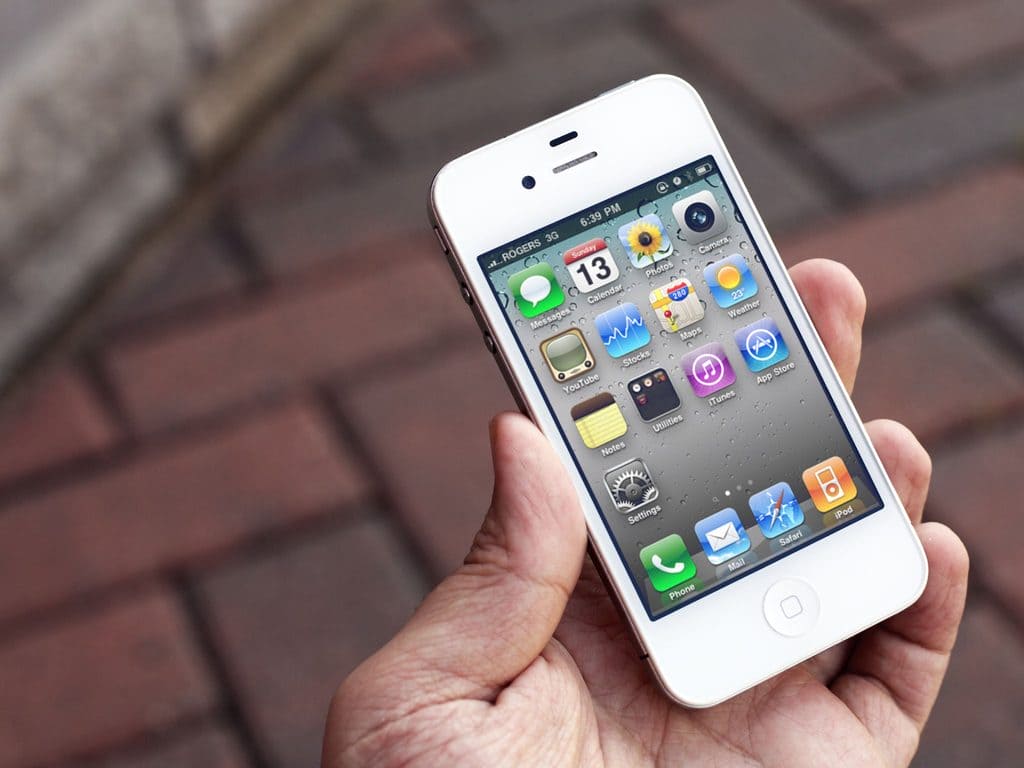
A video of Apple's 2010 iPhone 4 press conference question and answer session, known as 'antennagate', has surfaced on YouTube, showing Steve Jobs, Tim Cook , and Bob Mansfield answering questions from reporters. The press conference, held on July 16, 2010, was one of the most talked-about moments in Apple's history, as the company faced serious problems with its new product.
See also: Tesla promotes 'Full Self-Driving' for driver who loses his sight
The footage was spotted by Daring Fireball 's John Gruber , who attended the event. Apple had called the press conference amid complaints that holding the iPhone 4 in a certain way could reduce cellular signal. The issue, known as 'antennagate', sparked a backlash from users and the media, as it affected the phone's performance in key functions.
Jobs used his prepared presentation to announce free cases for eligible customers and a 30-day return option. This move was seen as an attempt by Apple to calm the backlash and restore consumer trust. Apple later released video of this presentation, but left out the question-and-answer session, which was recorded at the time through written reports and photographs.
Among the exchanges now visible is a question from Gruber at around 6:45 p.m., asking if the three executives were using cases on their iPhone 4s. Jobs, Cook, and Mansfield each hold up a phone without a case, suggesting that they themselves did not consider the problem serious enough to require the use of a case. Jobs later gives an extensive response about what Apple learned from the confrontation, including why the company waited to gather more data before calling the press conference.
See also: Viral video: 'Full Self-Driving' Tesla drives through railroad barriers
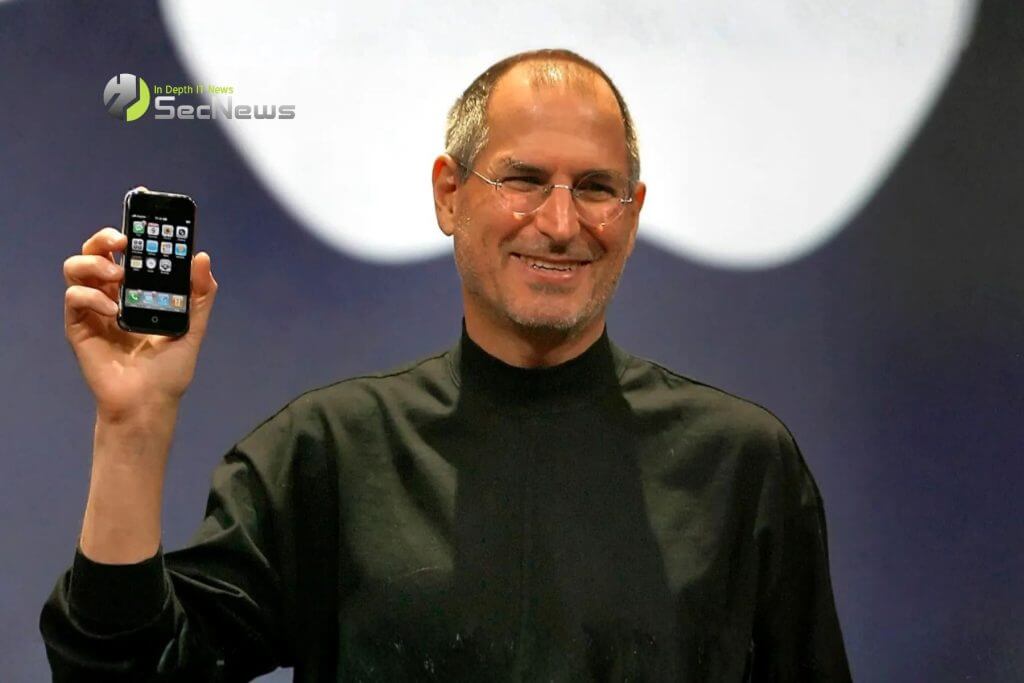
Apple's strategy of owning or controlling the core technology behind its products was one of the key points Jobs made toward the end of the recording. He explained that the growing importance of software made this approach valuable for consumer electronics. This strategy has proven critical to Apple's success, allowing it to deliver a seamless user experience and maintain high standards of quality.
Gruber says he doesn't know where the recording came from or why it's only just now surfaced. The emergence of this video after so many years offers a unique opportunity to see how Apple handled one of its biggest crises. 'Antennagate' wasn't just a technical problem, it was also a test for the company in terms of crisis management and communication with its audience.
Apple's response to 'antennagate' had significant implications for the smartphone industry. The company set a standard for how tech companies can address public crises, offering solutions that not only solved the problem but also restored consumer trust. The decision to offer free cases and refunds showed that Apple was willing to take responsibility and take action to satisfy its customers.
See also: Tesla stops selling its Full Self-Driving package
The story of 'antennagate' is a reminder of the importance of transparency and honesty in communicating with customers. Apple managed to turn a negative situation into an opportunity to demonstrate its commitment to quality and customer satisfaction. This event, although initially seen as a major failure, ultimately strengthened the company's reputation as one of the most reliable and innovative in the world of technology.
