

An experimental drug could prevent and treat some complications of diabetes, such as poor wound healing and inflammation, and it works independently of blood sugar control, according to a new study in mice and human cells.
See also: Special implant and smart glasses help blind people

The cornerstone of diabetes care is keeping blood sugar under control through diet and exercise, maintaining a healthy weight, and injecting the hormone insulin to help remove glucose from the bloodstream. But while keeping blood sugar levels in a targeted range reduces the chance of developing diabetes complications, it does not eliminate the risk. This raises questions about what other factors may be causing diabetic complications and whether they can be treated.
For decades, scientists have been trying to answer these questions, and their efforts have led to the development of a new experimental drug. In their latest paper, published in October in the journal Cell Chemical Biology, the team tested the drug's effects on laboratory mice and human cells.
The results show that such a drug has “great potential” to limit or prevent several complications of diabetes, Timothy Perkins, an assistant professor of pathology at the University of Pittsburgh,
See also: Pulse-Fi: A Wi-Fi heart rate monitor that's cheaper than the best wearables
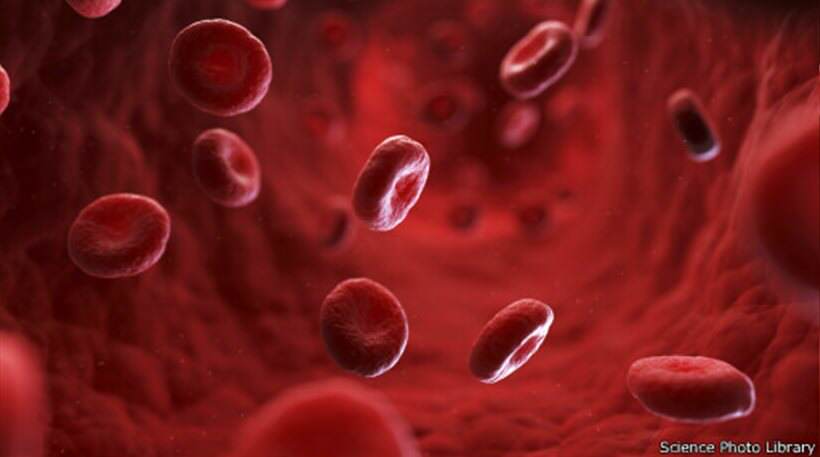
The new drug targets a protein called RAGE, which interacts with a second protein called DIAPH1, which scientists have found plays a role in vascular complications of diabetes, such as heart disease.
The RAGE protein is found in many types of cells, including immune cells and cells that line blood vessels. It spans the cell membrane, with one end interacting with substances on the outside of the cell and the other transmitting signals inside the cell. The outer part of the protein interacts with advanced glycation end products (AGEs) – proteins with sugars attached to them.
In cells from patients with type 1 diabetes, the drug blocked the interaction between RAGE and DIAPH1 and subsequently reduced inflammatory signals. In laboratory mice with diabetes, applying the compound topically to the mice’s wounds helped both suppress inflammation and speed up healing. The researchers also showed that the drug could reduce inflammation in mice with allergies when given orally, but they did not test this oral administration in diabetic mice.
See also: Scientists created embryos from human skin DNA

Much more work is needed before the drug can be tested in humans, including more testing in laboratory animals. However, if the drug is approved, it would be best for patients to start using it soon after diabetes is diagnosed. Ideally, RAGE treatment should be combined with strict blood sugar control, before the avalanche of AGE accumulation begins.
