

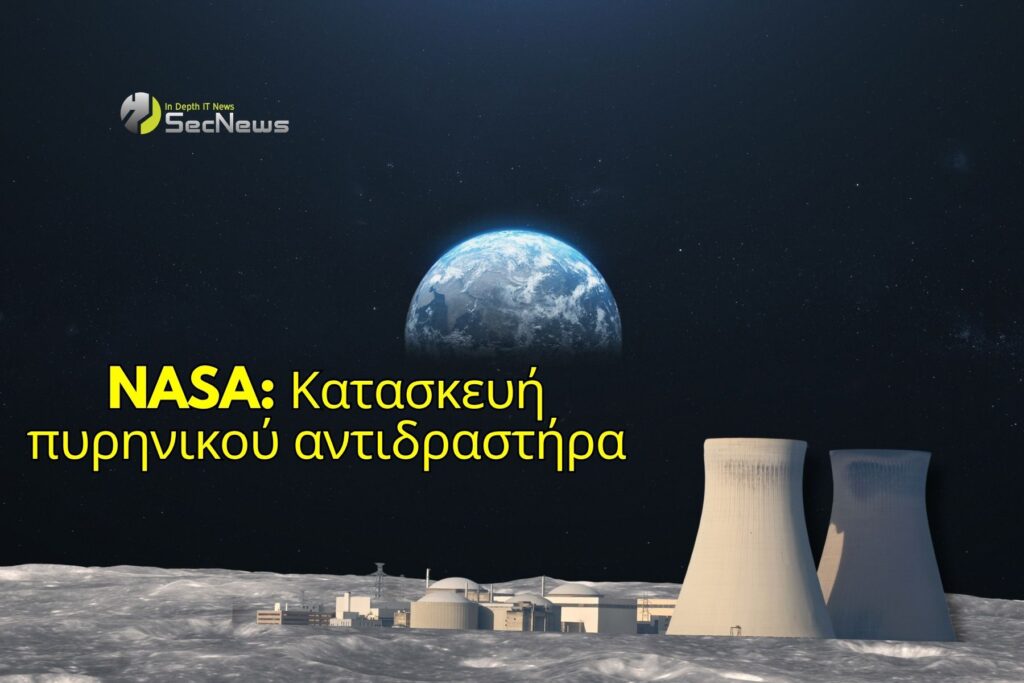
NASA is accelerating its plans to build a nuclear reactor on the Moon by 2030. The development comes at a time when space exploration is gaining new momentum, with many countries seeking to establish a space presence. Building a nuclear reactor on the Moon could provide a sustainable source of energy for future missions, making the Moon an important staging ground for space exploration. Scientists believe that nuclear technologies could revolutionize our energy infrastructure and offer solutions to many of the challenges we face today.
The importance of the Moon as a destination for space exploration cannot be underestimated. As missions to Mars and other planets become increasingly feasible, the Moon could serve as a testing ground. There, astronauts could develop the necessary skills and technologies before attempting a mission to greater distances. At the same time, research into lunar geology and natural resources can provide valuable insights into our understanding of our planet.
NASA and future lunar exploration
See also: Moon: South Korea wants to build a lunar base by 2045
The development of this fission system has sparked the interest of many scientists and engineers. NASA is collaborating with many companies and universities to develop these technologies. The subject of research is the safety and efficiency of nuclear power in space conditions. The use of nuclear power can reduce dependence on solar panels and other forms of energy that may be less reliable on the Moon, especially during long periods of darkness.
For several years, the space agency has been working on developing a 40-kilowatt fission system, aiming to launch it to the Moon in the early 2030s. However, according to Politico, NASA’s acting administrator, Sean Duffy, is preparing to announce a more ambitious path, through a directive expected to be released this week. NASA is working on returning astronauts to the Moon through the Artemis program, which aims to establish one or more bases on the lunar surface by about 2030.
Solar energy, while renewable and environmentally friendly, has limitations on the Moon due to the intense alternation of day and night. The duration of the night can reach up to 14 Earth days, which makes it difficult to continuously supply energy for missions. This is why researchers are turning to nuclear energy sources, which can provide stable and reliable energy regardless of environmental conditions.
China, on the other hand, has announced ambitious plans to establish a lunar base, which could lead to a space race. China's cooperation with Russia and other countries suggests that the future of space exploration may involve numerous countries investing in space exploration and developing permanent bases on other planets and natural satellites.
The technologies developed to support a nuclear reactor on the Moon could also have applications on Earth, contributing to more sustainable energy sources. Research in the field of nuclear energy can provide solutions to problems such as the energy crisis and environmental challenges associated with traditional methods of energy production.
Nuclear power systems are a key element of this vision. Solar power is not an ideal choice for a manned station, as the Moon's slow rotation means that night there lasts about two Earth weeks.
The possibility of declaring an exclusion zone by the first nation to install a nuclear reactor on the Moon raises legal and ethical issues. International laws regarding space exploration are unclear, and the possibility of restricting the movements of other countries highlights the need for global agreements and cooperation in space exploration.
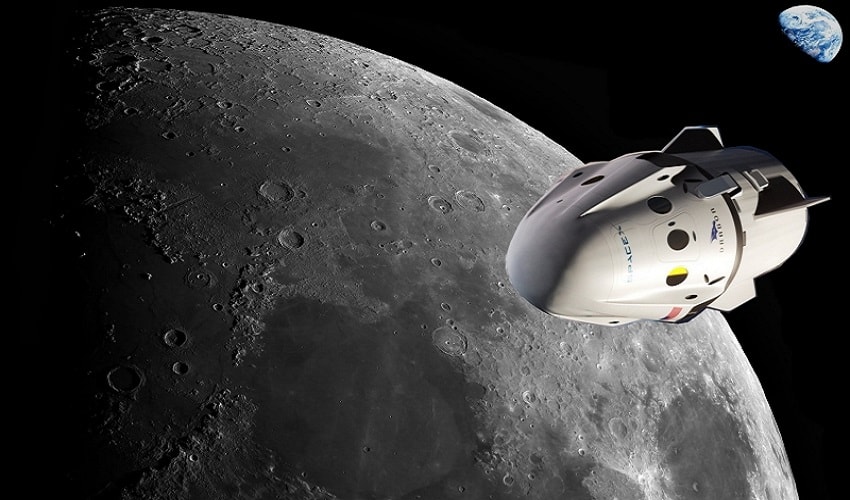
Sean Duffy has taken on the difficult task of leading NASA through this period of change and challenge. Duffy's administration will have to deal with pressure from other countries and organizations while also achieving NASA's goals for space exploration. Partnerships with private companies, such as SpaceX, could be crucial to the success of future missions.
Japan's landing of Resilience on the Moon is another step toward reviving international cooperation in space exploration. These missions highlight the need for joint efforts and the importance of sharing knowledge and technologies between countries. As more countries plan missions to the Moon and beyond, international cooperation is more critical than ever.
The challenges facing NASA and its partners will be many. Developing new technologies, securing funding, and managing international relations will be top priorities. The importance of space exploration is not limited to technology alone, but also affects science, the economy, and society as a whole. NASA, with its ambitious innovations, such as a nuclear reactor on the Moon, can revolutionize the big picture of space exploration.
See also: Asteroid 2024 YR4 may hit the Moon in 2032
China also plans to establish a lunar base, in collaboration with Russia and other countries. Duffy's upcoming directive aims to get NASA ahead of China, according to Politico.
The directive states that the first nation to install a nuclear reactor on the Moon could "declare an exclusion zone," which could significantly restrict the movements of the United States, as Politico writes.
President Donald Trump nominated Sean Duffy — a former Fox Business Channel anchor and contestant on “Real World: Boston,” who is also the U.S. Secretary of Transportation — as NASA’s interim administrator on July 9.
See also: Japan: Resilience will land on the Moon tomorrow
The appointment comes five weeks after Trump's original pick for NASA administrator, billionaire businessman and private astronaut Jared Isaacmanhis nomination. The surprise decision came just days before Isaacman's expected confirmation by the U.S. Senate.
