

At today’s Ignite 2021 conference, Microsoft announced Loop, a new app that combines a “flexible canvas” with components that sync across Microsoft 365 services to help teams communicate and collaborate remotely. Built on Microsoft’s Fluid Framework, Loop is “the next big thing in Microsoft 365,” according to Jared Spataro, corporate vice president of Microsoft 365.
See also: Microsoft expands the “enterprise metaverse” with Mesh for Teams
The Loop app consists of three main elements: Loop components (formerly Fluid components), Loop pages, and Loop workspaces.
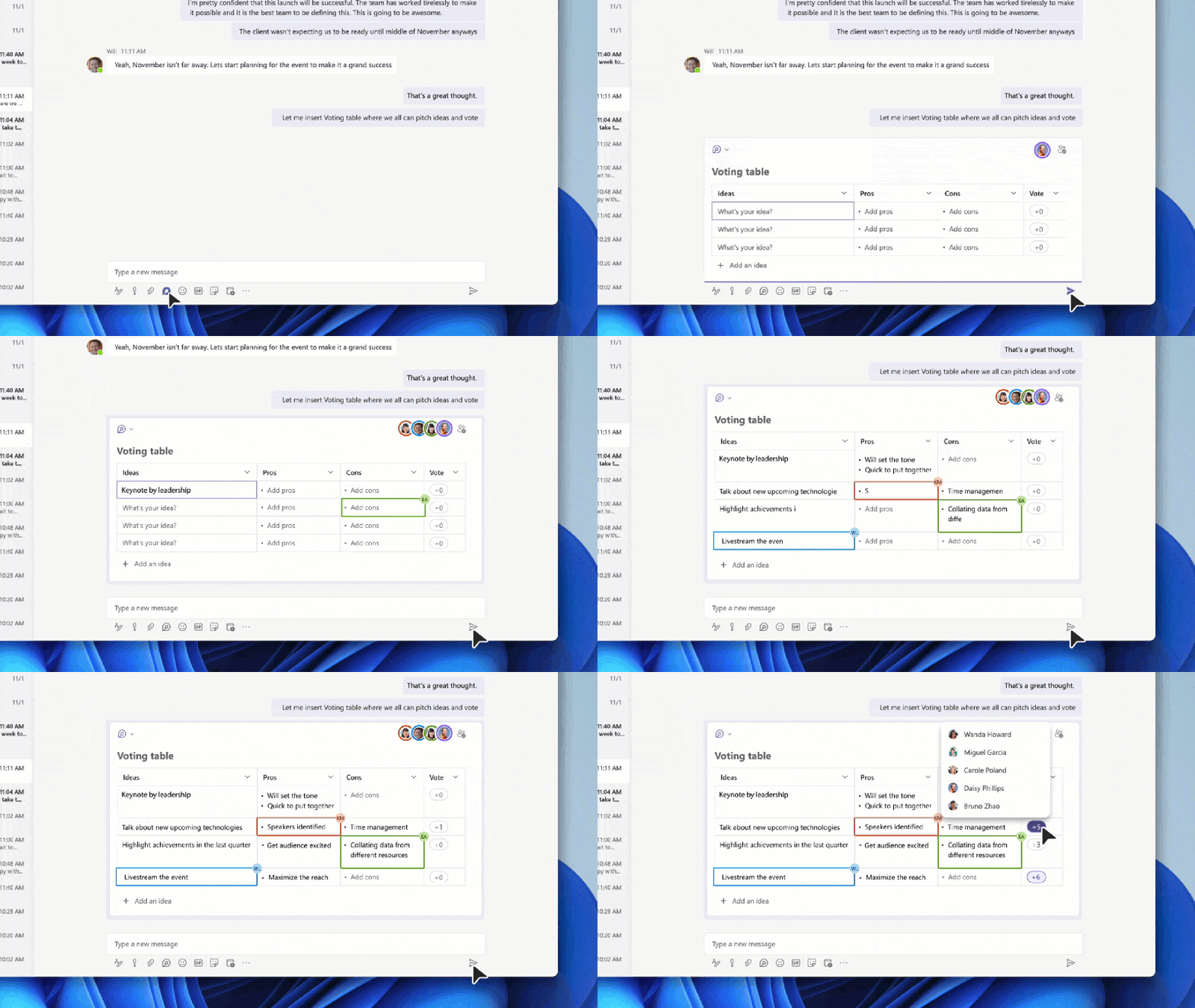
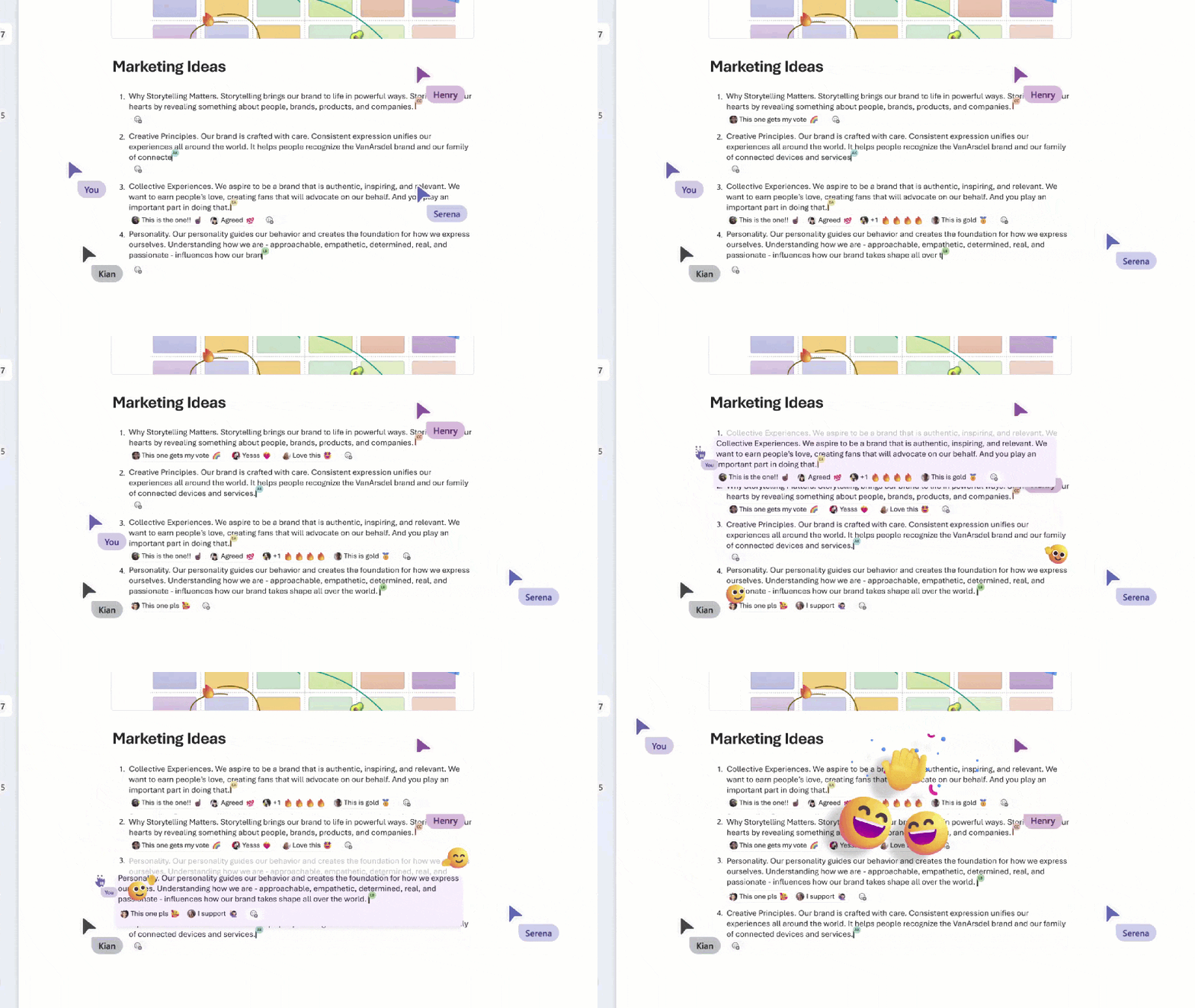
“Loop components” are “productivity units” that allow users to complete work and collaborate on the workflow, whether on a Loop page or in a chat, email, document, or online meeting. Components can be as simple as lists, tables, and notes, and they always stay in sync across all Microsoft 365 apps.
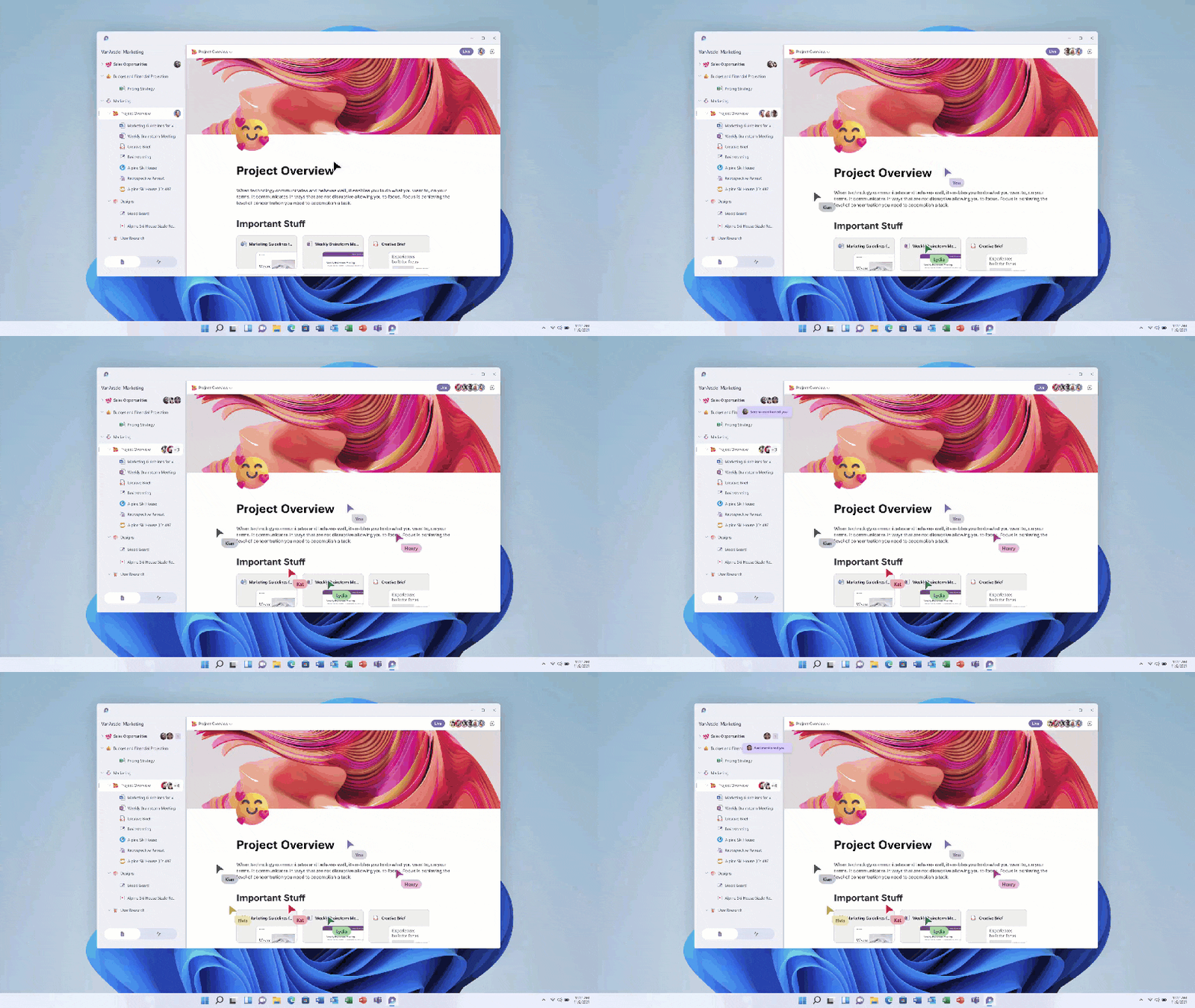
Loop components are a JavaScript library and a set of services that this library interacts with to synchronize objects. For example, in a web app, a table in a document would be represented by a JavaScript object. The web app calls a service to synchronize state changes, and this flows to all other participants.
As for Loop pages, they are “flexible canvases” where users can organize their components and pull in elements like links, files, or data. Loop workspaces are shared platforms that allow users to view and group together anything that’s important to their project, ostensibly making it easier for users to keep track of everyone’s work — as well as react to ideas and track progress toward shared goals.
See also: Microsoft Edge browser for Linux: It is now available for everyone
A growing ecosystem
Loop components are being added all the time, Microsoft says, including a voting board and a status tracker. The voting board is designed to help teams brainstorm, select, and decide to drive decision-making, while status tracker collects information to maintain an up-to-date view of a project across a team. On platforms like Teams, Loop components can allow chat users to take various actions, such as letting users add notes to calendars they’ve been invited to.
See also: Microsoft researchers discovered a flaw in macOS!
In the future, Microsoft says it plans to add Loop components that facilitate business workflows, starting with Dynamics 365 Enrollment, which will allow app developers to create components by extending existing messaging extension apps and Microsoft Graph Connector integrations. Beyond that, agenda, notes, and task list components will be available soon as part of the new meeting notes experiences in Outlook, Teams, and OneNote.
Information source: venturebeat.com
