

Brave Browser has replaced Google search with its own privacy-focused Brave Search as the default search engine for new users in five regions

See also: Brave Search with anti-tracking capabilities: Its public beta is released
Brave is an open-source browser based on Chromium that focuses on user privacy, automatically blocking ads and removing privacy-invading features built into Chromium.
Until now, Brave used Google as its default search engine. However, Google is known for tracking user activity, behavior, and interests, making it unsuitable for a privacy-focused browser.
Now, the company has announced that its privacy-focused Brave Search has now become the default search engine for new users in the United States, Canada, and the United Kingdom. Brave Search is also replacing Qwant in France and DuckDuckGo in Germany.
“Today’s update to the Brave desktop browser (version 1.31), as well as the Brave Android app (version 1.31)* and the Brave iOS app (version 1.32) automatically offer Brave Search as the default for new users in these five countries, with fully localized versions in non-English locations,” the company announced.
See also: Chrome, Firefox, Safari, Edge & Brave: Which settings to change to enhance privacy?
“Users can easily choose a different search engine if they prefer, from the search engine settings.“
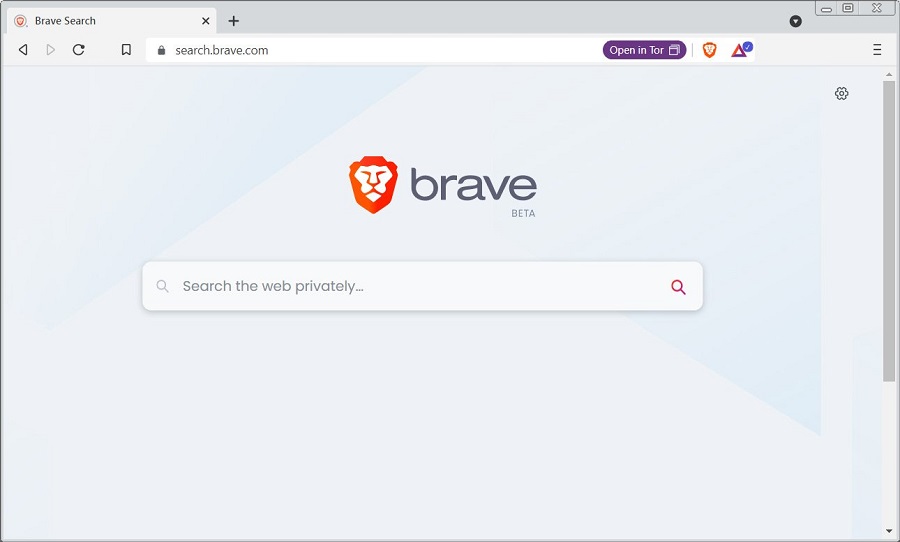
Brave Search first launched on June 22, 2021, and uses its own independent search index and an impressive array of security features:
Privacy: No tracking or user profiling.
User-first: The user comes first, not the advertising and data industries.
Independence: Brave has its own search index to answer common queries, privately, without relying on other providers.
Choice: Options for paid search without ads and search with ads support.
Transparency: There are no secret methods or algorithms to bias results, and open ranking models are community-curated to ensure diversity and avoid algorithmic bias and outright censorship.
Seamless: Best-in-class integration between browser and search, without compromising privacy, from personalization to immediate results as well as user type.
Openness: Brave Search will soon be available to power other search engines.
See also: DuckDuckGo, Brave and Vivaldi block Google's FLoC
These privacy features seem to be resonating with users as they have grown to 80 million per month since launching in June.
While Brave Search does not currently serve ads, it will soon be ad-supported. Brave states that they will offer a premium ad-free version in the future, but there are no details on how much the service will cost.
