

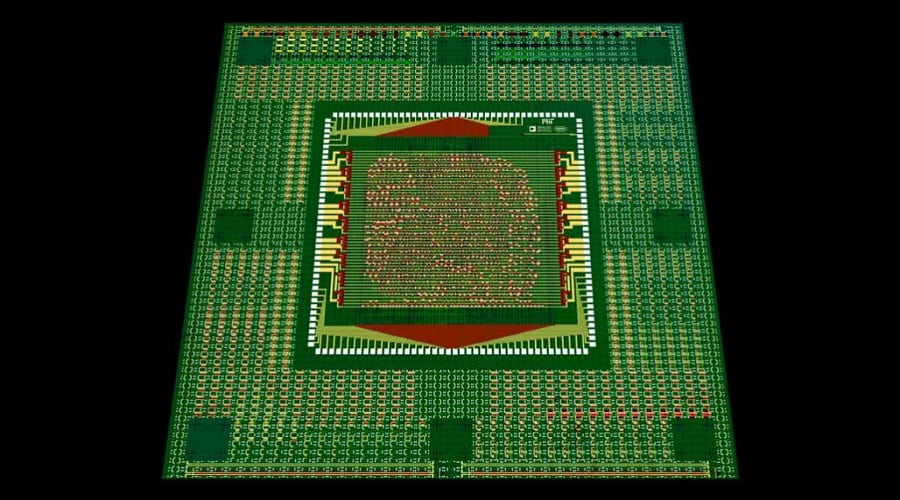
 Inside a new microprocessor, transistors (tiny electronic switches) are made with carbon nanotubes rather than silicon.
The researchers used some new methods and created the first computer chip that is able to use thousands of these switches and execute programs.
The prototype chip is not yet in its final form. It is larger and not as fast as the silicon devices currently on the market. The researchers hope that the new carbon nanotube chips will lead to a new generation of faster and more efficient devices.
This chip is a “very important milestone in the development of this technology,”a scientist from the University of Illinois stressed.
The basic element of a transistor is a semiconductor component, traditionally made of silicon, that can act as either an electrical conductor or an insulator. Silicon transistors have helped greatly in improving computing. However, at this point we can't expect anything better. Silicon transistors can't get any smaller or more efficient than they already are.
Carbon nanotube processors can operate three times faster than processors , using one-third of the energy that silicon processors consume.
One problem is that when a network of carbon nanotubes is deposited on a computer chip wafer, the tubes tend to clump together in clumps, preventing the transistor from working. The researchers set out to solve this problem. They scattered nanotubes on a chip and then used vibrations to shake up the unwanted bundles.
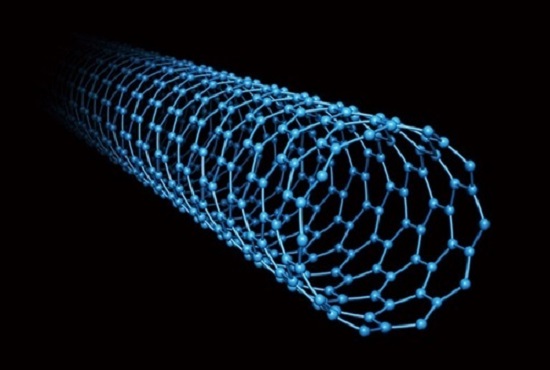
Another problem was that each batch of carbon nanotubes contains about 0.01% metal nanotubes. The metal can disrupt the transistor's operation.
The researchers tried to find out how much of an effect the metal element had on transistors with different functions. They found that some transistors were affected more than others. So they carefully designed their microprocessor circuits to avoid the transistor elements that were most affected by the metal nanotubes.
With over 14,000 carbon nanotube transistors, the microprocessor executed a simple program to write the message “Hello world!”.
The new microprocessor is not yet ready to replace silicon microprocessors. It is not yet that advanced. However, with more work and research, it will be able to help in various areas.
