

Facebook's reactions just turned a year old, and the company is revealing how using them affects your News Feed.
It turns out that the company counts reactions more than “likes” in order to determine the content you display in your News Feed.
“Over the past year, we’ve found that if people react to a post, it’s a stronger indicator that they want to see more of that type of post than if they like it,” a spokesperson for the social network said. “So we count reactions a little more than likes.”
In other words: If a “like” sends a signal to Facebook that you are interested in something and want to see more about it, any other reaction – even a “negative” one – sends an even stronger signal.
Facebook notes that currently all reactions are weighted equally, so News Feed algorithms won't be affected by whether you react with "love" or "sad" or "angry.".
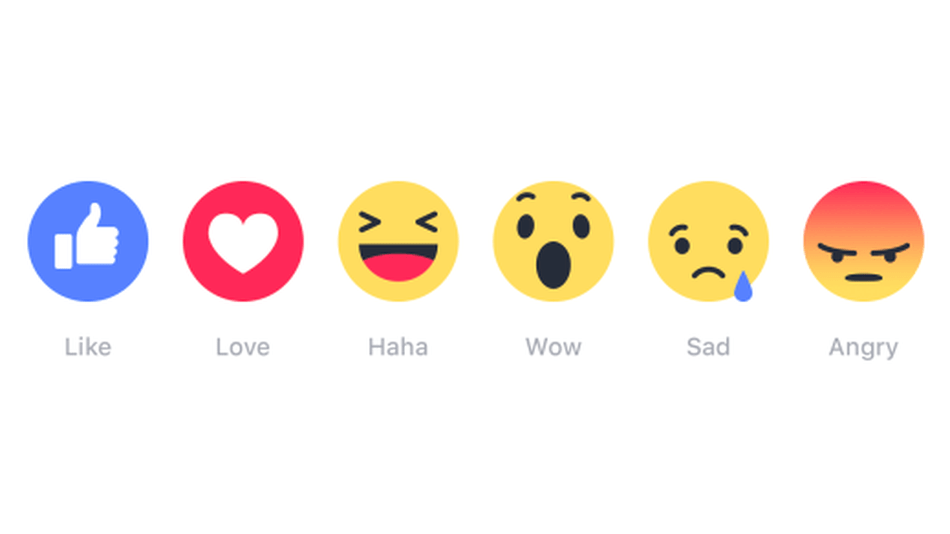
While it's no surprise that the social media giant would adjust its News Feed for reactions, it's interesting that all reactions will be treated equally. At least for now. Facebook says that "love" is by far the most popular of all reactions, accounting for more than half of all reactions shared on the service.
The update also raises the question of whether data about reactions could be used for advertising or other purposes outside of News Feed. Some data protection advocates have expressed concern that the feature could be used to collect data about users.
Regardless of how you feel about Facebook's reactions, however, the update serves as a good reminder that every action you take on the social network affects your News Feed in some way.
And the best way to show Facebook that you don't like something is to simply ignore it (don't forget that you can adjust your News Feed settings.)
