

In recent months, dozens of posts and videos have been circulating online claiming that the European Union will force Apple to launch iPhones with removable batteries by 2027.This information has been widely shared on platforms such as TikTok, Reddit, and YouTube, creating the impression that the company's future models will return to a design reminiscent of mobile phones from previous decades.

The reality, however, is quite different. Although the EU has introduced new regulations for batteries in electronic devices, already modern iPhones seem to meet the requirements set out in the legislative framework. As a result, there is no reason to expect any drastic changes to their design in the coming years.
What does the new European Union legislation provide?
The European regulation, which comes into force in 2027, aims mainly to improve the repairability of devices and reduce e-waste. According to its main provisions, consumers should be able to replace batteries without much difficulty and without the use of specialized equipment.
See also: iOS 27: Phone number sharing across two iPhones, faster AirPlay, and more
The logic behind the measure is simple: when a battery wears out, the user should not be forced to replace the entire device. Instead, they should be able to extend the product's lifespan through a relatively easy repair.
At first glance, these requirements seem to conflict with the design philosophy of many modern smartphones, including the iPhone. However, the legislation includes important exceptions.
The exception that changes the data
The key point of the regulation lies in the exceptions provided for high-performance devices. Specifically, a smartphone can maintain its closed design as long as it meets specific durability and battery performance.
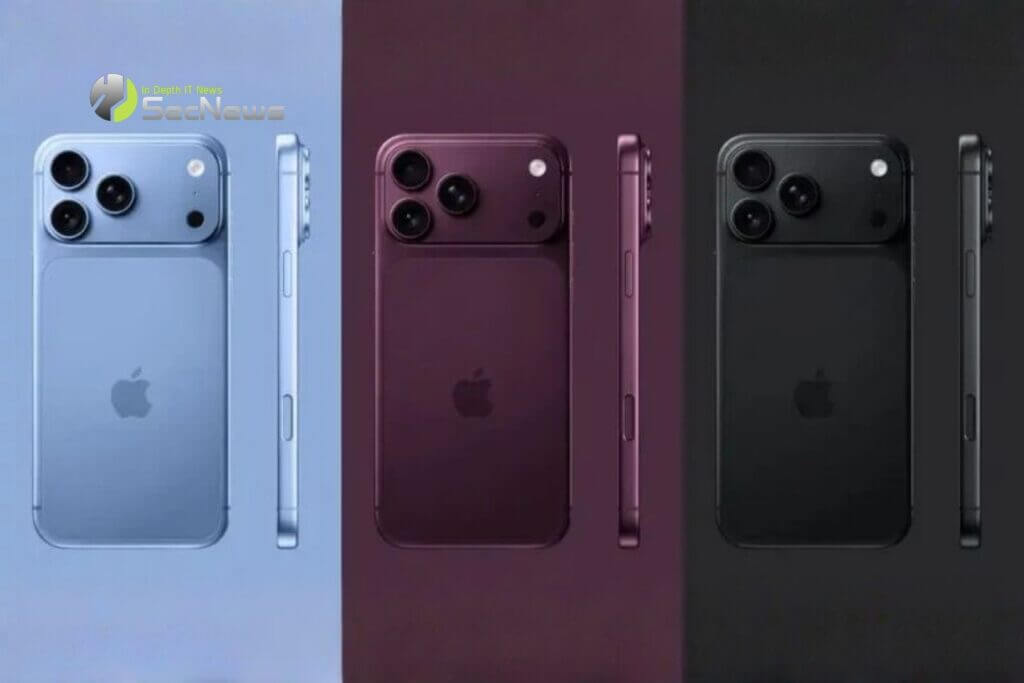
These requirements include maintaining a high percentage of capacity after hundreds of charge cycles, as well as being certified for water and dust. Most modern premium smartphones, such as iPhones, Samsung's flagships, and Google models, already meet these criteria.
In other words, the EU does not require companies to sacrifice features such as waterproofness or thin design, as long as they demonstrate that their batteries maintain high performance over a long period of time.
Why Apple doesn't seem to care
Apple has been at the center of several disputes with European authorities, whether over USB-C or competition and digital services issues, but in the case of batteries, the company is in a much more comfortable position.
Recent iPhones already feature high battery endurance performance and durability certifications that exceed regulatory requirements. At the same time, Apple has expanded its repair programs, offering both official replacement services and self-repair options for some users.
This means that the company does not need to radically redesign its products for the European market.
See also: New iPhones: Restart problem when battery runs out
The case of the Nintendo Switch 2 and the confusion it created
A key reason the issue has come back into the spotlight is Nintendo 's decision to adapt the Switch 2 to new EU requirements. The console will feature a battery that can be replaced more easily by the user, which has sparked new speculation about smartphones.
However, the two situations are not the same. Handheld consoles are subject to different regulatory frameworks and do not have the same exemptions as smartphones. They also do not typically offer high levels of waterproofing, which limits the options available to manufacturers.
See also: Counterpoint Research: One in four smartphones are iPhones

What does this mean for the future of smartphones?
While it's unlikely that iPhones will get a removable back cover, the new legislation is expected to impact the design of many devices in the coming years. Manufacturers will have to invest more in repairability, battery life, and sustainability of their products.
For the big players in the market, the adjustment is already underway. Smaller companies, however, may have to completely redesign some products or even reconsider their presence in the European market. In any case, 2027 does not seem to bring the end of today's iPhone design, but a new era where durability, repairability and sustainability will become even more important in the mobile industry.
