

The United States government has made a major move in the geopolitical and technological arena, adding some of the largest Chinese companies to the Pentagon's 1260H list , which includes companies that allegedly support China's military . Among them are Alibaba (9988.HK) and Baidu (9888.HK) , while also adding automaker BYD (002594.SZ) , biotechnology company WuXi AppTec (603259.SS) , and robotics and artificial intelligence company RoboSense Technology
Although inclusion on the list does not impose direct sanctions, under a new law, US government agencies will be limited from contracting or purchasing products from these companies, increasing pressure on Beijing ahead of upcoming high-level bilateral meetings.
See also: US: Landmark conviction for international crypto fraud
The goal is to ensure military independence
The 1260H list was created to limit the Pentagon's reliance on Chinese companies that are considered potentially affiliated with China's military. The update sends a message to both U.S. companies and suppliers about the U.S. military's assessment of certain Chinese high-tech companies.
The new additions include companies operating in sectors such as electronics, artificial intelligence, electric vehicles and biotechnology, underscoring US concern about the military exploitation of cutting-edge technologies.
Reactions from companies
Alibaba responded immediately, claiming there was no legal basis for its inclusion on the list. “Alibaba is not a Chinese military company nor is it involved in any military-political organization,” a company spokesperson said, threatening legal action against the US government.
See also: Learn all about TikTok's new owners in the US
Tencent and CATL , which were already on the list, said their activities were not involved in military programs and that they would initiate review procedures to correct their inclusion. The statements underscore the legal and political tensions the list is causing between the US and Chinese tech giants.
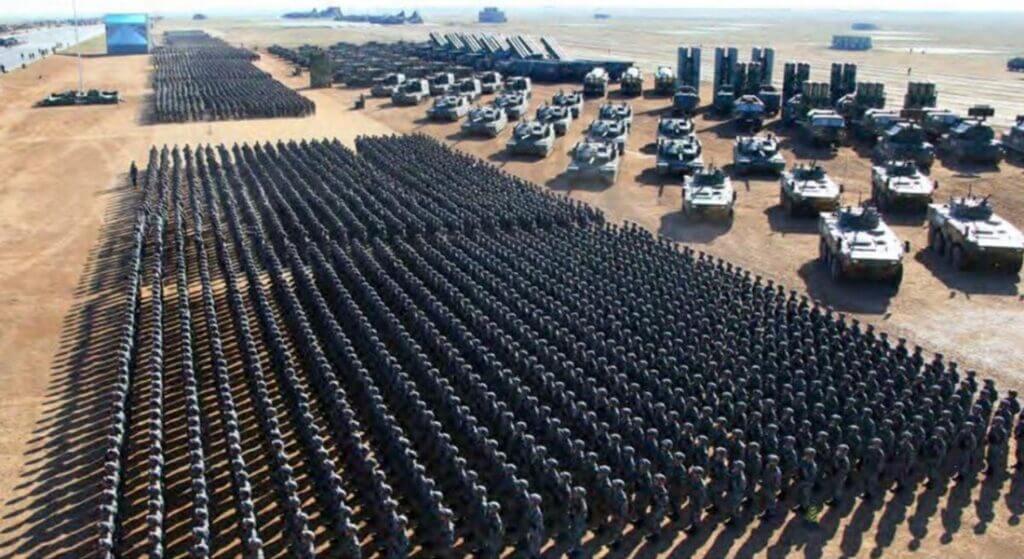
Political and geopolitical dimension
The move comes amid a trade truce between the two countries, following a meeting between Presidents Xi Jinping and Donald Trump in October. The companies' inclusion on the list is likely to provoke a backlash in Beijing, while US lawmakers have already proposed additional inclusions of Chinese technology companies, such as DeepSeek (AI), Xiaomi and BOE Technology.
Managing the list is a strategic tool for the US, as it sends clear signals about risk assessment in the technology and defense sectors, while at the same time strengthening its negotiating position against Beijing.
Changes and removals from the list
The update also includes the removal of some previously added companies, such as COSCO SHIPPING Finance Co Ltd, ChangXin Memory Technologies Inc (CXMT) and YMTC, indicating that the list is being adjusted to reflect military connections and commercial significance.
See also: US cybersecurity weakened by congressional delays
Technology, defense and international relations
The inclusion of Alibaba, Baidu, BYD, WuXi AppTec and RoboSense on the 1260H list highlights the convergence of technological and geopolitical challenges in US-China relations. This policy not only concerns direct military procurement but also affects strategic investments, technology partnerships and the flow of innovation.
The US government seems determined to use the list as a pressure tool, while Chinese companies are preparing for legal and political repercussions, marking a new chapter in the technological relations between the two superpowers.
source: www.reuters.com
