

Chinese authorities have asked domestic companies to immediately stop using software cybersecurity from about a dozen American and Israeli companies, citing national security concerns. Among the companies affected are VMware, Palo Alto Networks and Fortinet, Check Point Software Technologies is also on the list.

The exact scope of the ban remains unclear, as it is not clear how many Chinese companies received the official notice. The sources, who spoke to Reuters on condition of anonymity, said Chinese authorities fear the software could collect and send confidential information abroad.
See also: Critical vulnerability in ServiceNow allows privilege escalation
Strategic autonomy in the digital ecosystem
The move is part of Beijing's broader plan to reduce its reliance on Western-made technologiesand replace them with domestic solutions. While China has focused on semiconductors, artificial intelligence and advanced infrastructure, Beijing has also moved to replace Western software, even in basic office applications such as word processors and computer tools.
Analysts note that concerns about Western products are not limited to supply or cost issues: there is a strong fear that foreign technology providers could be targeted by cyberattacks or used for espionage. This makes security software a critical area of strategic interest, as it protects sensitive data of businesses and government agencies.

The geopolitical implications
The ban comes at a time of rising US-China tensions, where technological superiority is a key area of competition. Sanctions and equipment restrictions have already affected semiconductors, telecommunications and cloud services and are now expanding to cybersecurity.
See also: What lessons did we learn from the 2025 cyberattacks and the use of AI?
With this move, China is sending a clear message to Western companies: access to domestic businesses is not a given and cooperation should be aligned with national security interests.
Impact on technology/cybersecurity companies
For companies like VMware, Palo Alto Networks and Fortinet, this decision means the potential loss of significant customers and revenue. Businesses operating in China will now have to adapt, either by developing local versions of their software or by seeking partnerships with Chinese providers.
Check Point Software Technologies, an Israeli company, faces similar challenges, with restrictions on access to Chinese organizations and public bodies. The blow affects both sales and the company's image , as trust in Western products gradually decreases within the country.
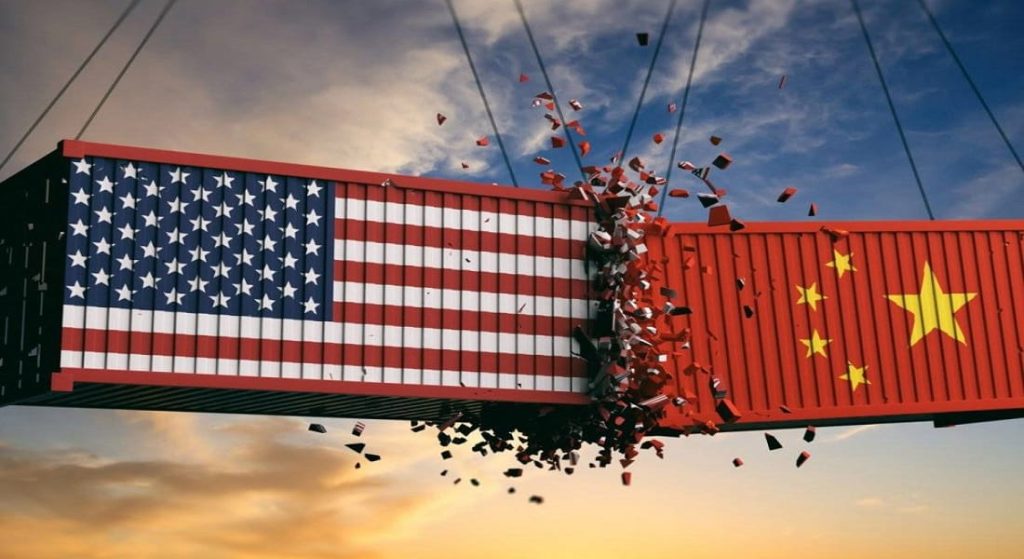
China is building its own security ecosystem
This ban highlights Beijing's strategy to create a ecosystem cybersecurity. Investment in domestic cybersecurity companies, development of innovative products, and replacement of foreign software are key tools to achieve this goal.
In the future, it is expected that China will continue to increase control over technologies imported from abroad, while at the same time strengthening domestic solutions in critical areas such as networks, cloud, endpoint and security applications.
See also: Protecting digital assets: Crypto security
Beijing's decision to block security software from the US and Israel is a clear move of geopolitical and technological strategic interest. With this move, China not only protects sensitive data , but also promotes its autonomy in the digital age, while creating new challenges for Western companies that want to operate in its market.
The move underscores that cybersecurity is no longer just a matter of technology, but also a tool of national strategy and geopolitical power.
Source: www.reuters.com
