

Car hacking and autonomous driving are among the most worrying and exciting areas of modern technological security. Today's cars are no longer just machines; they are mobile computers, packed with sensors, software, internet connectivity, and artificial intelligence systems. As their autonomy increases, so does the attack surface for malicious actors.
See also: Chinese hackers Amaranth-Dragon exploit WinRAR vulnerability
Modern vehicles have dozens of electronic control units (ECUs) that communicate with each other via internal networks, such as the CAN bus. Initially, these systems were designed with functionality over security in mind, as no one imagined that a car could be attacked remotely. Today, however, with the advent of Bluetooth, Wi-Fi, LTE/5G, infotainment systems, and over-the-air updates, this isolation has collapsed. An attacker no longer needs physical access to the vehicle; all that is needed is vulnerable software or a poorly designed interface.
Car hacking is not a theoretical scenario. There have already been attacks where security researchers have managed to control the steering, brakes and acceleration remotely. In a fully autonomous vehicle, this risk is multiplied, as the human is no longer the direct operator. If an algorithm makes decisions about the course, speed and obstacles, then a breach of the data it receives or the logic it follows can have devastating results.
See also: Spanish PcComponentes denies being hacked

Of particular concern are attacks that do not directly target the vehicle’s control, but rather its perception of the world. Through spoofing GPS signals, altering license plates with special patterns, or even digital attacks on LIDAR sensors and cameras, an autonomous car can “see” something that is not there or ignore a real danger. These attacks are difficult to detect, as they exploit the limits of artificial intelligence itself.
The issue is not only technical, but also social and legal. If a self-driving car is hacked and causes an accident, who is responsible? The manufacturer, the software developer, the owner, or the unknown attacker? At the same time, there is a national security issue, as massive attacks on fleets of self-driving vehicles could paralyze cities, infrastructure, and transportation.
Addressing these risks requires a change in mindset. Security must be built in by design, not an add-on feature. Encryption, strict access control, continuous anomaly monitoring, and penetration testing are now essential elements of the automotive industry. At the same time, collaboration between manufacturers, researchers, and government agencies is critical.
See also: Hacking group Everest says it breached Nissan
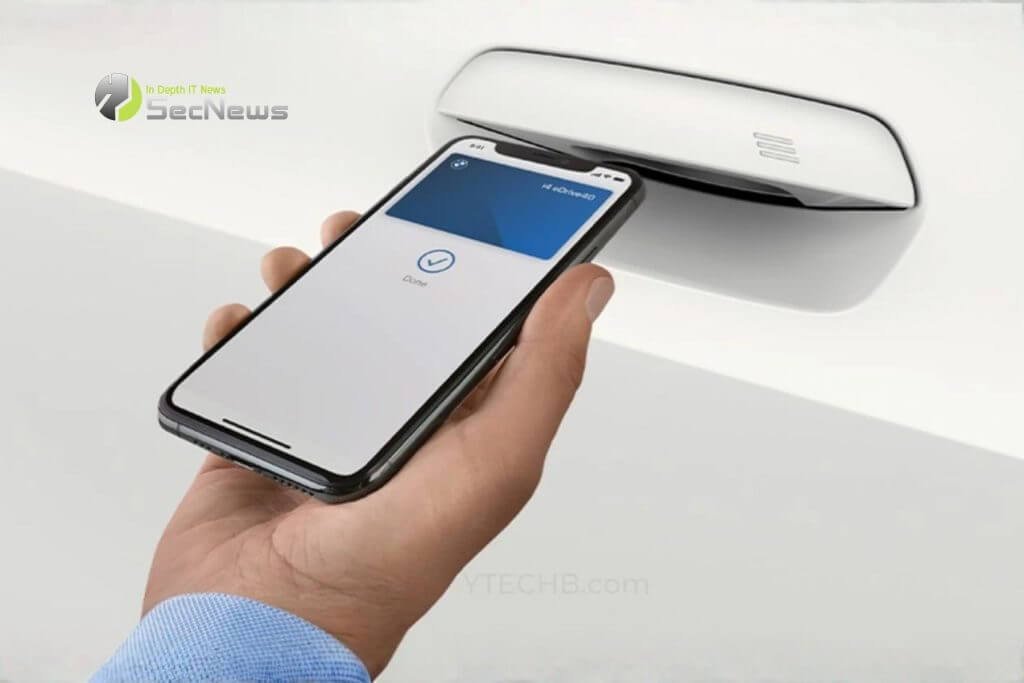
The future of autonomous driving promises fewer accidents and more efficient travel. But without serious investment in cybersecurity, the wheel of the future risks falling into the hands of those who know how to exploit the technology's weaknesses. And then, the road will not only be smart, but dangerously vulnerable.
