

Next year's flagship iPhone is widely expected to be a foldable phone called the iPhone Fold. With a lot of consistency in leaks and other reports, we have a pretty good idea of what to expect.
See also: The arrival of the iPhone Fold will solidify the era of foldables
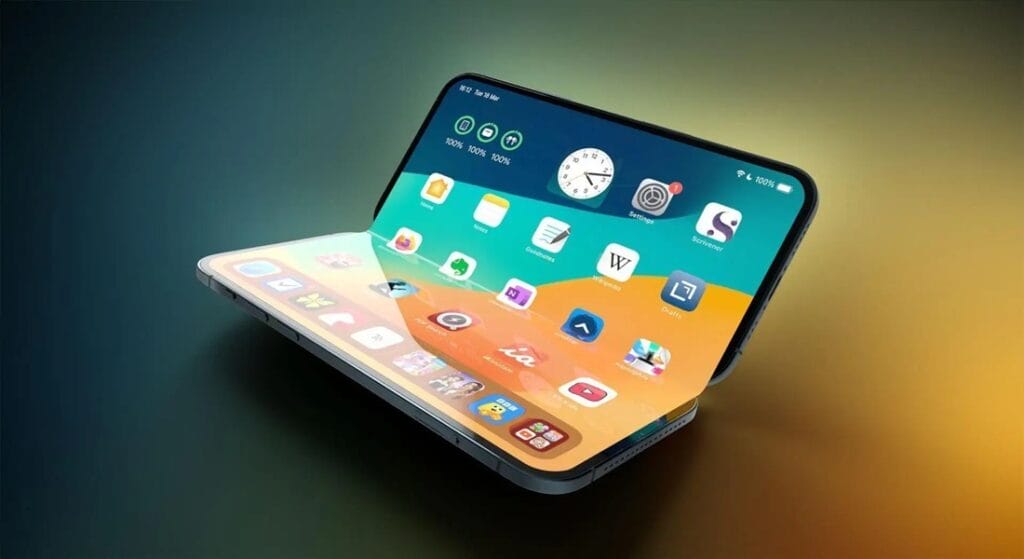
What we expect from Apple is a foldable “book” phone with a screen approaching the size of an iPad mini.

As is typical with foldable phones, we expect an external display that will provide similar functionality to existing iPhones when the phone is closed, and a significantly larger internal display once the device is unfolded.
Estimates for corresponding screen sizes vary, with 5.5 inches commonly suggested for the external display.
Selfie cameras will be needed on both the outer and inner displays. It is believed that Apple will use a “punch-hole” camera on the outer display. Instead of the Dynamic Island, there will be a single round hole for the camera.
Previous reports have suggested that the internal display will be around 7.8 inches, while the latest report again suggests something slightly smaller at 7.58 inches.
The same report suggests that Apple will use an under-display camera for the larger internal display. This technology is possible today but involves some compromises.
See also: The foldable iPhone may only support eSIM
It would be expensive to implement Face ID on the iPhone Fold, as the company would likely need two separate units for the inner and outer displays. For this reason, we expect Apple to use Touch ID built into the side button.
The two biggest weaknesses of most foldable smartphones to date have been a hinge that is subject to failure after repeated opening and closing, and a very visible crease in the center of the unfolded screen. One of the reasons Apple is believed to have waited so long before launching its own foldable phone is that the company was reportedly not satisfied with a visible crease.
We expect to see an almost invisible crease in the center of the screen and a very durable hinge mechanism.
One thing we haven't heard much about is the rear camera setup. However, it's possible that the iPhone Fold's extremely high manufacturing costs and potential retail price could force Apple to compromise here. The company has already shown a willingness to do this with the iPhone Air's single rear camera.
That would make the device about twice as expensive as an iPhone Pro, which could be an even tougher sell given that people tend to upgrade their phones more often than other Apple devices like the iPad and MacBook. Still, some analysts are extremely bullish on potential sales.
See also: iPhone Fold expected to capture 22% of the foldable market

It is believed that there are around 100 pre-production models at the moment, but we are still a long way from launch.
