

The National Highway Traffic Safety Administration (NHTSA) announced Monday it is launching a preliminary investigation into about 2,000 self-driving Waymoafter reports that some of the company's robo-rickshaws may have failed to comply with laws regarding stopped school buses. The move signals growing regulatory scrutiny of self-driving technologies, especially when it comes to interactions with pedestrians, cyclists and children.
What happened to the autonomous vehicle?
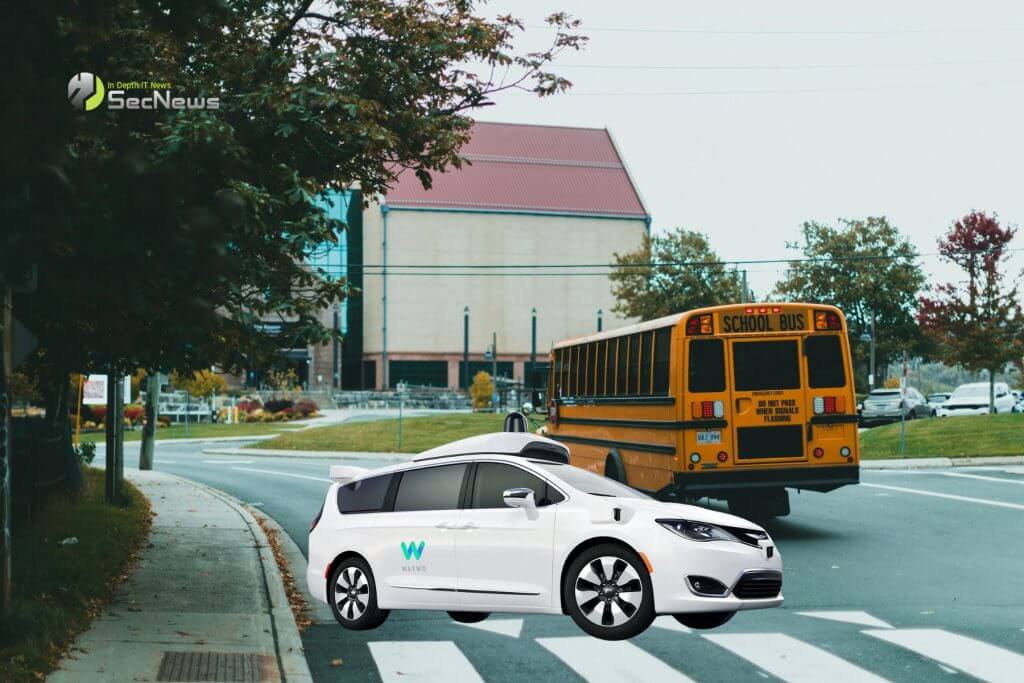
According to NHTSA, the investigation began after a news report described an incident in which a Waymo vehicle failed to stop when approaching a school bus.
The report says the vehicle initially stopped next to the bus, but then maneuvered around it and passed in front of it, swerving as students were getting off. The incident occurred while the vehicle was operating without a safety driver and with advanced fifth-generation Automated Driving System (ADS) .
See also: China's Pony.ai partners with Stellantis for robotaxi in Europe
Waymo's response
The Alphabet subsidiary said it has already implemented improvements to its software to recognize and stop near school buses and said it will release additional updates in the next version of the software .
In a statement, Waymo claimed that:
- Safe driving around children remains highest priority .
- In this particular incident, the vehicle approached the bus from an angle where the lights and stop sign were not visible. As a result, the vehicle moved slowly around the front while maintaining a safe distance from the children.
The company stressed that these incidents are isolated cases and that its technology is designed to operate safely without human intervention in complex urban environments.

The importance of regulatory oversight
The NHTSA study highlights increasing federal oversight of autonomous vehicles as regulators evaluate their behavior around vulnerable road users, such as children and pedestrians.
School bus safety is particularly critical, as violations of stopping rules can lead to serious accidents. The preliminary investigation will examine whether Waymo's software systems strictly adhere to current road safety regulations .
See also: Nvidia – Wayve: They discuss investing in autonomous driving
Waymo's fleet and expansion plans
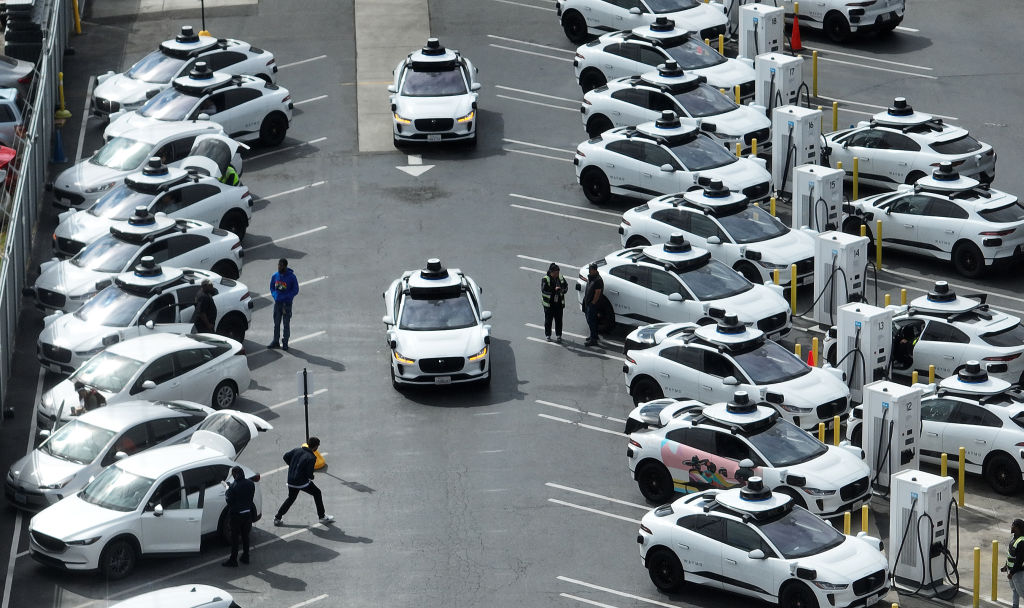
Waymo's fleet includes over 1,500 robotaxi operating in cities such as:
- Phoenix
- Los Angeles
- San Francisco
- Austin
The company plans to expand internationally, with future launches in cities such as Tokyo and London. International expansion will increase the importance of ADS systems reliability and compliance with local road traffic.
Challenges for autonomy and security
This incident highlights the ongoing challenges facing autonomous driving companies. Despite advanced technology and safety protocols, even small approach angles or limited visibility can lead to traffic violations.
See also: Waymo and Via partner for robotaxis in Arizona
Safety experts emphasize that self-driving technology must incorporate more sensors and intelligent predictive algorithms to ensure that children and pedestrians remain protected in every urban environment.
NHTSA 's preliminary investigation into Waymo vehicles highlights the need for ongoing oversight and software updates for autonomous vehicles. Despite technological advances, child and pedestrian safety remains a critical factor for the successful and safe integration of robo-taxis into everyday urban life.
