

The evolution of biometric controls has made impressive progress in recent years, affecting many areas of daily life and security. From traditional applications, such as the use of fingerprints, to more modern techniques, such as facial and iris recognition, biometric features have become an integral tool for identification and data protection.
See also: GenAI applications in cybersecurity
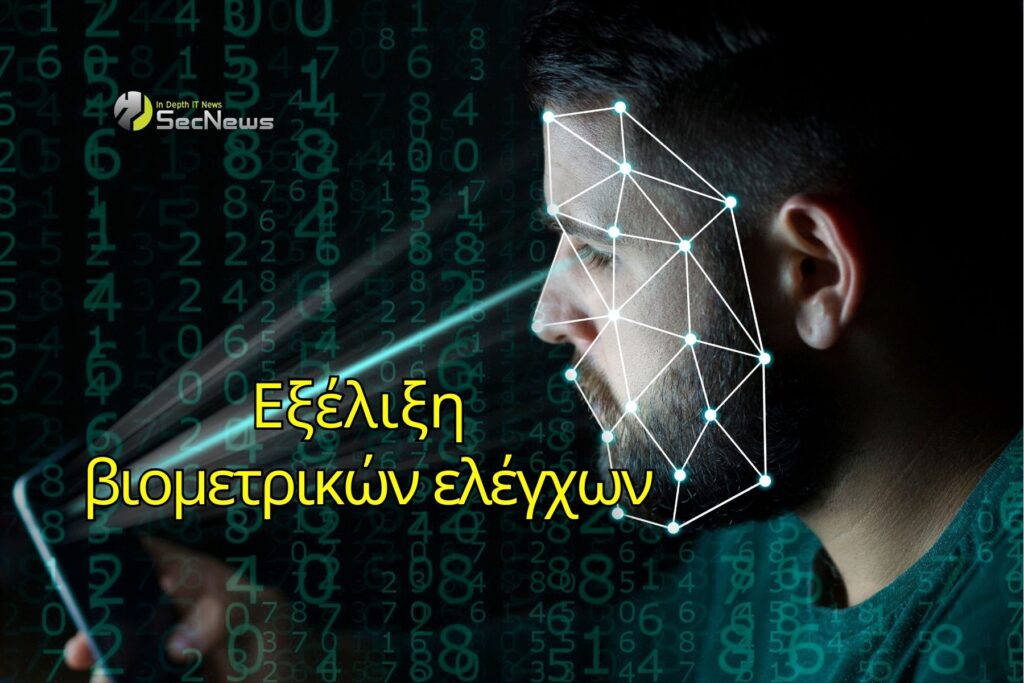
The integration of artificial intelligence and machine learning has improved the accuracy and efficiency of these technologies, making them indispensable for modern applications such as airport security checks and online transactions. However, their widespread application raises questions about data protection and privacy.
Furthermore, the evolution of biometric controls has also extended to the healthcare sector, with applications such as patient identification and tracking . Technologies such as sensors that monitor the body's vital signs or voice recognition for recording medical data contribute to better care delivery and the personalization of healthcare services.
See also: How to set up face unlock on an Android phone
At the same time, the increasing reliance on such technologies makes it necessary to regulate their use through legislative frameworks that ensure their ethical application and the protection of citizens' rights. Thus, although the prospects of biometric technologies are extremely promising, the balance between innovation and security remains an ongoing challenge.

At the same time, education around the use and potential of biometric technologies is crucial. Citizens and organizations need to be informed about the risks and benefits in order to effectively utilize these technologies without compromising privacy or security. In addition, researchers continue to develop new methods to enhance data protection, such as the use of decentralized systems and anonymization techniques.
See also: Biometric access systems: Advantages and disadvantages
These developments aim to ensure that biometric applications are not misused and that users can fully benefit from them with appropriate privacy protection. With the right combination of technological progress and ethics, biometric technologies can be a tool that will promote the well-being and security of societies.
