

Every year, thousands of people fall victim to online financial fraud. With a significant increase in the number of digital payments in recent years, the incidence of online banking fraud has also increased a lot. Despite various measures to curb this threat, it is still the most widely reported form of cybercrime. Thus, it becomes vital for users to understand the potential risks involved in online banking along with the necessary steps, which they need to take to protect themselves. Here, we share things to do and not to do to help you protect your account from online banking fraud.
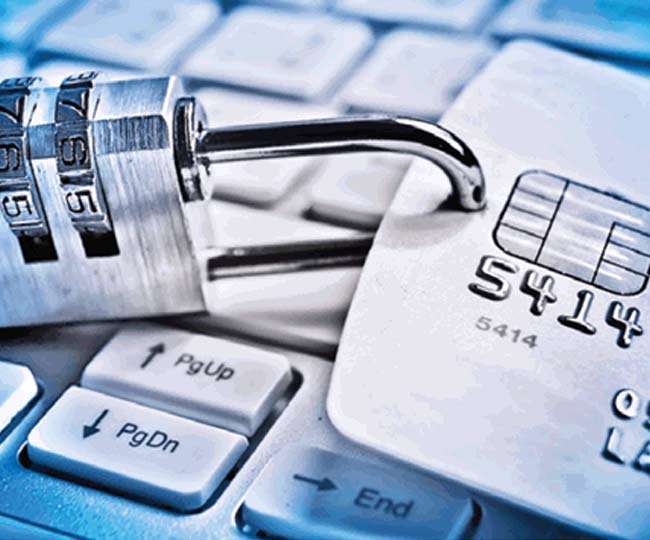
What to do
Secure your password and PIN: It is in the interest of users to memorize the password for the bank account or ATM PIN. One should avoid sharing passwords with anyone or storing it in an online medium like email, messenger or texts.
Check your bank statements regularly: Check your bank account at least once a week. In case of suspicious activity, immediately report it to your banks and the cybercrime department
Change your password regularly: Resetting your bank password every two months is a best security practice. It will not only reduce the risk of bank fraud but also protect you from potential hackers. Always check the authenticity of the Bank’s Net Banking website by checking the URL and the PAD Lock symbol in the bottom corner of your browser.
Spot the scammers: Scammers often pretend to be someone you might trust, such as a bank employee, an insurance agent, or even a job provider. They may try to convince you to reveal your smart card information. Do not give out credit card information, email addresses, and other personal information to strangers. Avoid responding to such texts, phone calls, or emails.
Report the loss of the card immediately: If your debit or credit card is lost or stolen, contact your bank immediately and ask them to block the card.
What not to do
Avoid the obvious: Avoid using date of birth , contact number or combination as your ATM pin. Also, your name, birthplace and other well-known ways should not be part of your online banking password.
Avoid using public computers for digital payment: Do not access banking transactions or make payments using your credit/debit card from shared computer networks, such as cyber cafes or public Wi-Fi, such as hotel/airport, etc.
Don't let your debit card go unnoticed: Since only you are authorized to use your smart card, you should avoid sharing it with anyone. Even in restaurants, whenever possible pay the bill to the cashier instead of handing it to the waiter.
Don't click suspicious links in emails: Don't open unexpected email attachments or instant message download links. It could help an attacker gain unauthorized access to your account.
