

ESET has published the results of its research on consumer mindset and activity regarding cybersecurity and ensuring privacy in the connected home.
The survey was conducted on the occasion of the establishment of October as a month to promote the importance of cybersecurity in Europe and America (ECSM and NCSAM campaigns). 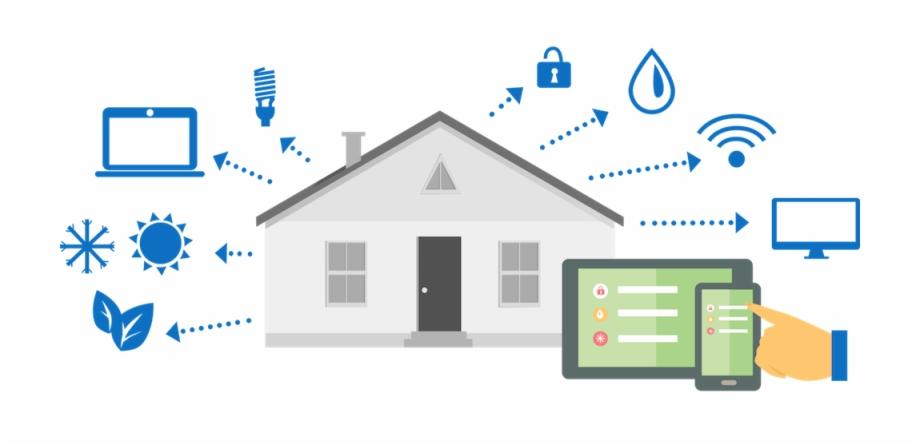
ESET surveyed the attitudes and opinions of 4,000 users (2,000 Americans and 2,000 Canadians) to understand what they are doing to protect themselves from the risk of compromised smart home devices, such as internet-connected TVs ,smart thermostats, home assistants and many more.
More than a third of all respondents (35% of Americans and 37% of Canadians) said they are concerned about unauthorized access to their home networks through connected home devices (smart TVs, smart thermostats, etc.). However, 57% of Americans and 61% of Canadians reported that they have not changed the password on their router or are not aware of whether it has ever been changed since it was first installed.
When purchasing a smart home device, only 20% of Americans and 29% of Canadian respondents said they do research to find out what will happen to the data the device manufacturer will collect, where it will be stored, or with whom it will be shared.
Regarding features they don't use that collect data (e.g. locations), 42% of Canadians said they disable them, however 61% of Americans said they don't or don't know.
“We found that about a third of respondents in both Canada and the US are concerned about the privacy of these devices, but the same respondents said that only one in five do any research to find out what happens to their data after they purchase the device. It’s clear that there is a mismatch among consumers when it comes to protecting the privacy and cybersecurity of their connected home devices,” said Tony Anscombe, Global Security Evangelist & Industry Ambassador.
To stay safe online, ESET recommends that users use strong and unique passwords for their devices, as well as two-factor authentication, and purchase devices from reputable manufacturers, after first conducting basic research into the manufacturers' data policies and practices.
To read the full ESET research click here (PDF).
