

Google's Communications and Public Relations department, and in particular Elijah Lawal, recently presented the many ways in which the giant company protects Android users from potentially harmful apps, an element of Android's security features.
The list of potentially harmful applications (PHA) includes backdoors, which are applications that allow hackers to control the smartphone by giving them access to personal data. In addition, applications that could be involved in billing scams that intentionally charge users in a misleading way with SMS scams or even phone calls.
Spyware apps are another category of potentially harmful apps that collect personal data from Android phones without the user's consent. Other apps can download malicious programs and some even have Trojans, thus performing unwanted actions on the phone.
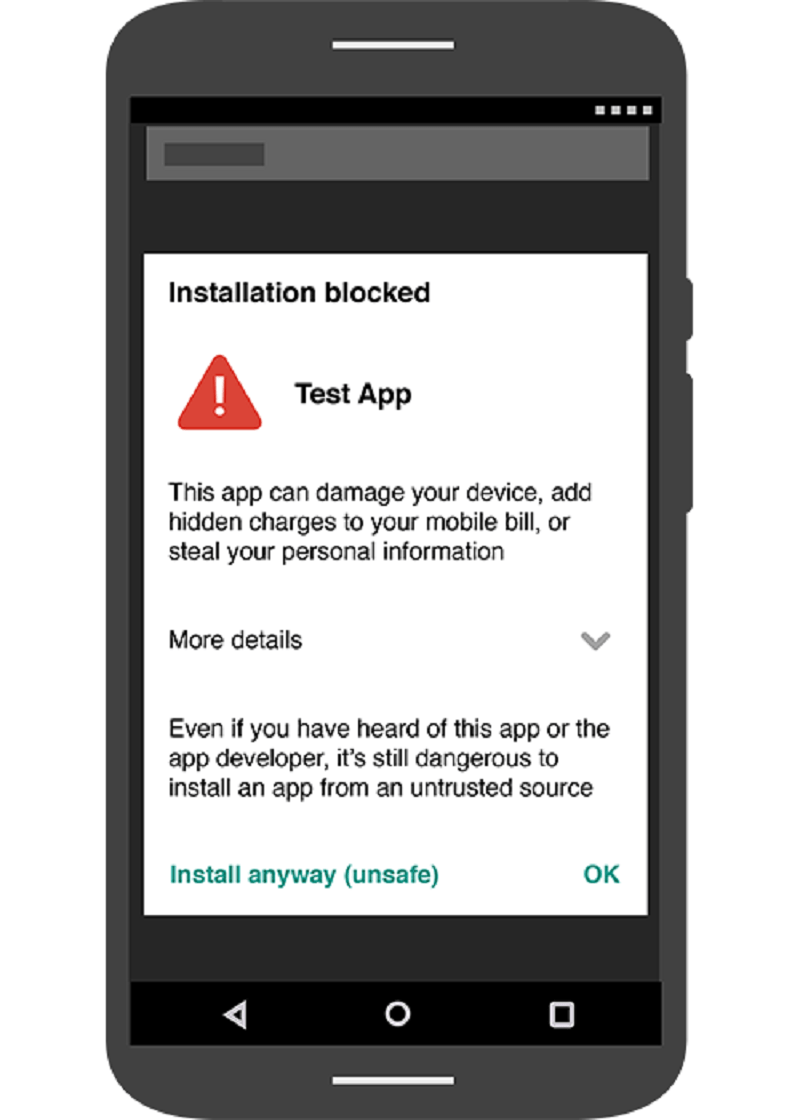
To keep Android users safe, Google uses its cloud-based Verify Apps, which checks every app before it starts running. Google Verify Apps checks more than 6 billion installed apps and scans about 400 million devices per day. When it detects a PHA, the service warns users to immediately remove the app from their phones.
In some cases, the service may automatically remove the app without receiving confirmation from the user. Google reports that over 99% of all Android were free of PHAs in 2015. Only 0.15% of users who installed apps and games from Google Play had PHAs in the same year.
