

Can you turn an electric vacuum cleaner into a makeshift threat for US troops? DARPA pays you to find out.
The new program “Improv” of the Advanced Defense Research Projects Agency of the US Pentagon (DARPA) studies how commercial technology can be used against the country's military forces.
In an effort to understand the types of improvised weapons, devices and systems that could be used against US forces, the DARPA Office of Defense Sciences is launching an alternative research program, providing an entirely different meaning to the concept of «improvisation».
DARPA invites researchers, programmers, and those involved in hardware hacking to participate, and the program's goal is to discover ways in which commercial products of all kinds could be exploited to be used against the US army by its opponents.
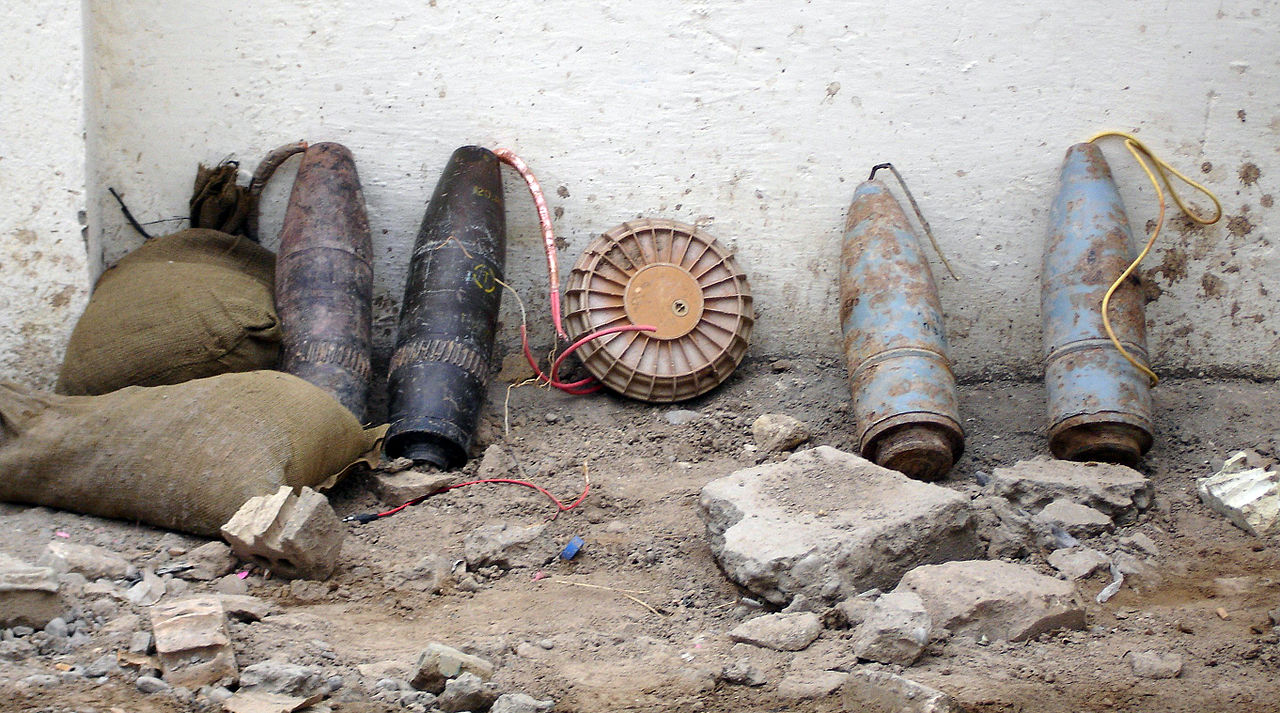
The US military has faced a wide range of improvised weapons and tools over the past decade, including mobile phones that trigger improvised explosive mechanisms, commercial software used to monitor the video‑feeds of drones, and USB drives loaded with malicious software that ran rampant on Afghanistan's computer networks.
These days, there is a growing concern about how commercial drones, robotics technology, IoT devices, and any kind of revolutionary technology could be used to spy on, harass, impede, or even kill members of the armed forces.
Thus, DARPA officially presented Improv – a program that will fund «innovative research proposals for novel products and systems that have the capability to threaten current military operations, equipment or personnel, and are assembled primarily from commercially available technological products».
The rules are quite simple. “Candidates are free to reshape, redefine, program, reprogram, modify, combine or recombine commercially available technology in any way, within the limits of local, state and federal laws and regulations”, the announcement says. “The use of materials, products and systems from areas not directly related to the military sector is of particular interest.”
In the context of this effort to identify potential improvised threats, DARPA focuses on what can be done within the limits of a tight budget and in a short time frame. Teams will receive initial funding of up to $40,000 and will have only two weeks at their disposal to build a prototype improvised mechanism from the moment they are selected, while depending on the project's needs there will be the possibility of granting additional funding of up to $70,000.
The ad hoc technologies that will be developed within the framework of the program will be used by DARPA for the development of countermeasures.
