

Google is planning to merge Chrome OS, the operating system that runs on Chromebooks, with Android, according to a new report in The Wall Street Journal. The Chromebooks will now have a new name, which has not yet been determined, according to the Journal, and an operating system based on Android.
Citing “people familiar with the matter,” the report claims that Google have been working on the project for the past two years. Once complete, Google will retire the Chromebook name and the devices will now run a version of Android. The name of Google’s Chrome browser will remain unchanged.
This new operating system will also run on computers, according to the report, so users will be able to access the Google Play Store and other related services from laptops and other computers.
It is not clear exactly when the launch of the new Android version will start, but the report states that Google will not officially reveal it until 2017, although the company may release an early version sometime in 2016.
This is far from the first time we've heard rumors that Google is planning to merge Chrome OS and Android. While Google has yet to officially confirm the news, the company has taken steps to bridge the gap between Chrome OS and Android.
Specifically. Last year, the company started launching Android apps that could run on Chromebooks and later gave free rein to every Android developer to experiment. Additionally, Android users who have Chromebooks are able to unlock their devices using their smartphones.
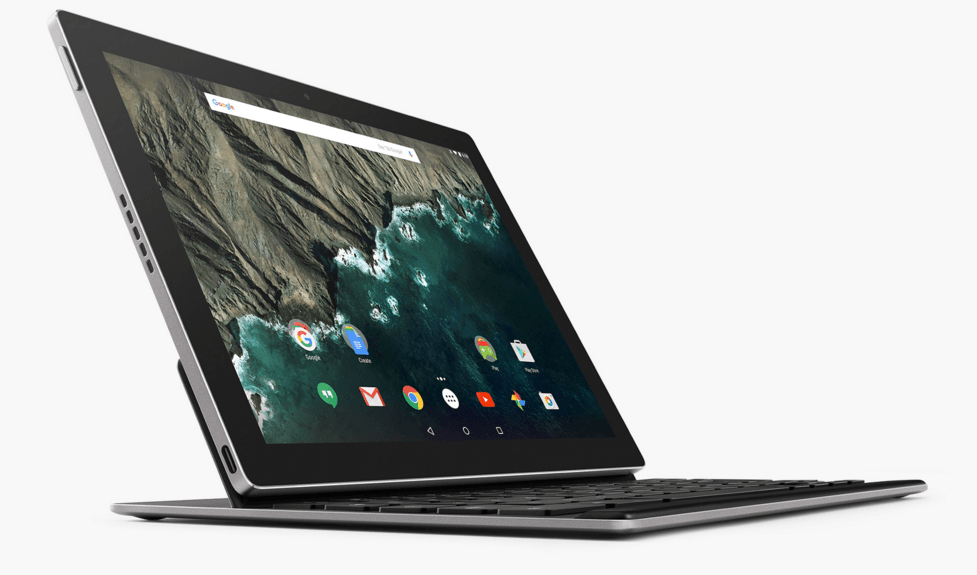
Additionally, Google unveiled its new tablet/laptop hybrid, the Pixel C, last month. The yet-to-be-released device is designed by the same team behind Google, even though the Pixel C runs Android. The fact that the Google team behind one of the most premium Chromebooks is building a new Android tablet could be seen as a sign that the company is changing the way it thinks about Android and Chrome.
Even though Chromebooks are very popular in schools, the machines based on Chrome are not as popular as Android devices. Changing the brand of these devices, which tend to be cheaper than most laptops and premium tablets, could attract more users to this platform on Android.
