

Top-level domains (TLDs), also known as domain names, are similar to real-world addresses in that some are more obscure than others. Looking at which addresses offer the most suitable environment, he found that the safest TLD out there is the military-related .mil. And the .London domain, which was created in 2014, is the ninth safest domain in the world, with Japan, Gibraltar and Kuwait all in the top 10.
The report, from Blue Coat, found that, in contrast, some TLDs are used solely to host a large number of scams and spam. In fact, more than 95% of websites in 10 different TLDs were rated as suspicious, with that percentage rising to 100% for the top two highest-ranking TLDs, .zip and .review. Other dangerous web domains include .country, .Mali, .kim.
Blue Coat analyzed hundreds of millions of Web requests from more than 15,000 businesses and 75 million users to determine rates for spam, botnet activity, phishing, scams and potentially unwanted programs (PuPs). Many of the websites serve pages that mimic popular video and image sites and trick unsuspecting visitors into unknowingly downloading malware.
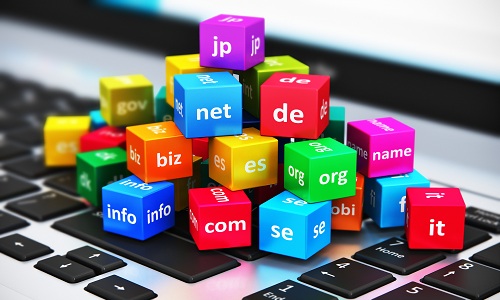
Since web addressing has been populated since its early days by a small number of standard TLDs, such as .com, .net, .edu, and .gov, as well as some “country code” domains like .fr (France) and .JP (Japan), bad guys have a lot more options to choose from.
Between 2013 and 2014, over 600 new TLDs were created and approved. And Blue Coat found that more than 95% of websites in the 10 newest TLDs are suspicious.
To mitigate the risk, businesses should consider blocking traffic leading to the most dangerous TLDs, such as .work, .gq, .science, .kim, and .country. Users should also be cautious when clicking on links containing these TLDs if they encounter them in search results, in emails or in social networking environments, and should be skeptical when they are asked to redirect from other addresses that appear legitimate.
