


A new emerging market is sleep-related software and devices. The importance of sleep for good health is a given. However, opinions differ on whether new sleep-related technologies and products can offer qualitative changes
A 20-year-old Briton has created a new sleep tracking device that has raised more than $1.2 million on Kickstarter. James Proud unveiled his product on July 23, aiming to raise $100,000 in a month. On Sunday, it broke the $1 million mark and is expected to surpass $4 million by the end of the period.
The product, called Sense, consists of a room-scanning sphere, a cable that connects to the pillow, and a mobile app. It aims to interrupt sleep at the optimal point when the sleep cycle is complete. It can be ordered starting in November for $129.
James Proud told the BBC: "We spend a third of our lives sleeping and it's the most important part of the day, as how well we perform in our daily lives depends on how well we sleep.".
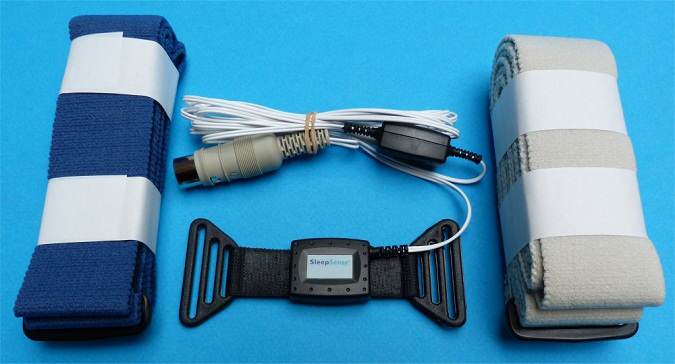 Sense is part of a growing number of products that are "targeting" sleep: Smart technologies are entering homes and allowing us to maintain our health at good levels. Apps like Sleep Cycle, Sleepbot and Sleepmaster are already used by iPhone, Android and Windows Phone users for better and more efficient sleep.
There are also devices like the Aura from the French company Withings that for $ 8,000 puts an end to unwanted snoring.
Earlier this year, Apple announced its Healthkit app, which can collect sleep data from other devices. The company also hired Roy Raymann, a Dutch sleep researcher, fueling speculation that it is working on its own sleep product, rumored to be a smartwatch.
Competitor Samsung already offers a smartwatch, the Gear 2, which includes sleep-tracking software. More recently, Chinese company Xiaomi has created one of the cheapest sleep-tracking options, the $13 MiniBand. But its use is limited to getting you to sleep earlier. “It’s harmless entertainment,” says Jerry Siegel, a professor at the University of California and head of the Sleep Research Center.
“The common sleep problem is insomnia. There’s nothing in these devices that could be helpful in treating insomnia. Another problem that could be very important is sleep apnea, a condition in which the walls of the throat relax during sleep and block breathing. "We know that these problems can shorten our lifespan and we have created various treatments, but none of these devices can help," the professor told the BBC.
However, the National Sleep Foundation of the United States was more optimistic about the potential benefits of creating such devices. When the foundation's partnership with the Consumer Electronics Association was announced, new expectations were created for sleep-related technologies.
“We know that getting enough quality sleep can have incredibly positive health outcomes, including improved mood, concentration, memory and productivity,” said David Cloud, director of the foundation. “By giving technology the right detection systems, it will then be able to distinguish between qualitative differences in sleep. The consumer will have the right tools to directly connect sleep to their health and set goals for improvement,” the director emphasized.
Source: protothema.gr
