

OpenAI has proposed giving the US government a 5% stake in the company, worth about $42.6 billion , in an effort to ease political tensions with the Trump administration and address growing public backlash against the concentration of wealth from artificial intelligence. The proposal is still in the early stages of negotiations, according to a report by The Verge, but it reflects a significant strategic shift in how AI companies deal with regulatory pressure. OpenAI seeks to transform the US government from a potential regulator to a partner in the AI revolution.
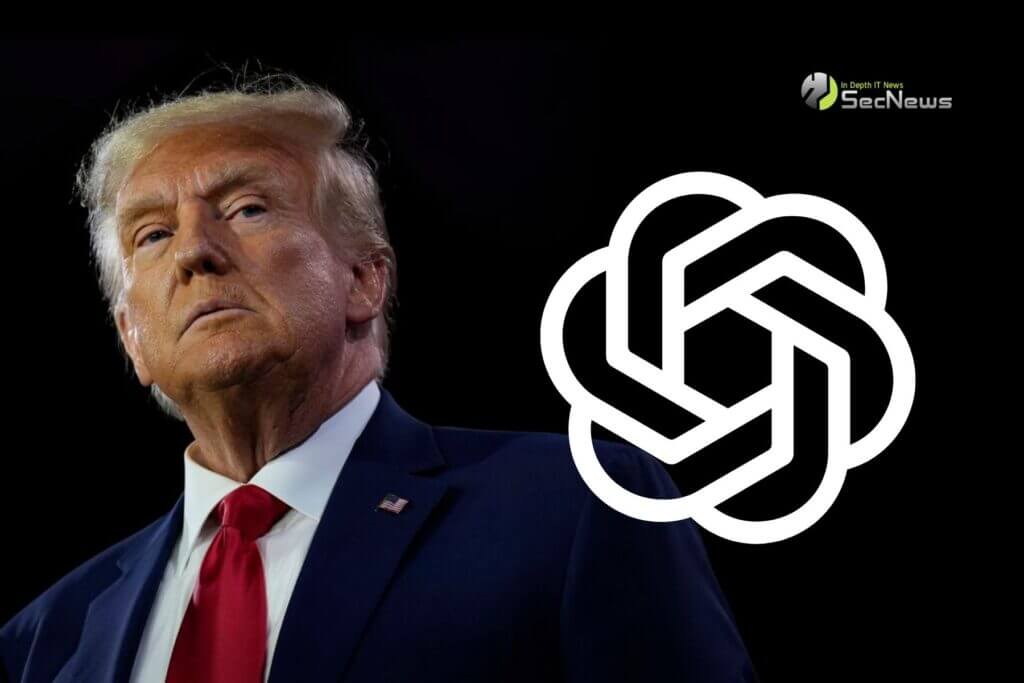
OpenAI CEO Sam Altmanreportedly pitched the idea directly to Donald Trump in early 2025, in talks that also included Commerce Secretary Howard Lutnick and Treasury Secretary Scott Bessent. Altman argues that providing a financial interest to the public is the best way to share in the benefits of artificial intelligence. Trump has publicly said he supports the idea, calling a government stake in AI companies “a beautiful thing” that would make Americans “partners in this revolution.
See also: IBM joins forces with OpenAI to integrate AI into enterprise security
OpenAI was valued at $852 billion after its last funding round in March 2026. That means the proposed 5% stake is worth about $42.6 billion . That’s one of the largest amounts ever discussed for a government stake in a private technology company. The proposal also calls for other U.S. AI companies, including Anthropic , Google , and Meta , to give up similar stakes to the government, though it’s unclear whether they’ll agree to that.

The proposal comes at a time when the Trump administration has taken a particularly interventionist approach to the AI industry. Earlier this year, the Pentagon labeled rival Anthropic a supply chain risk, and the administration unexpectedly imposed export restrictions on the company’s latest models, forcing it to pull them from the market. Those moves have raised concerns about the future of American AI on the international stage and have prompted companies like OpenAI to seek ways to normalize their relations with the government.
See also: Trump Mobile T1 is supposedly made in America
OpenAI, government stakes and the new landscape in AI
The trend of government ownership in tech companies is not new to the Trump administration. The US government has already acquired a 10% in chipmaker Intel, and has reportedly asked Nvidia and AMD to give the federal government 15% of their revenue from sales of artificial intelligence chips to China.
Across the political spectrum, Senator Bernie Sanders has argued that artificial intelligence is a public good and has proposed a one-time 50% on the market value of AI companies to create a sovereign wealth fund. Altman has also discussed his proposal with Sanders, suggesting that it is a bipartisan initiative.

The global AI market is expected to exceed $1.8 trillion by 2030, with ChatGPT already recording over 300 million monthly users. In this context, the debate about the fair distribution of the benefits of AI is gaining increasing importance. Critics, however, express concern that state participation in the equity of AI companies could lead to political interference in the development of the technology or slow down innovation, raising questions about the boundaries between public interest and corporate independence.
See also: BYD threatens to sue Trump administration over Pentagon military company list
OpenAI’s proposal to give the US government a 5% stake represents a bold strategic move that could reshape the relationship between government and the tech industry globally. If adopted, this model could serve as a model for other countries looking to secure public benefit from the AI revolution, while also influencing investor valuations and expectations across the industry. Whether the Trump administration will ultimately accept the proposal remains uncertain, but the discussion itself marks a new era in AI governance.
