

Australia has raised serious concerns about the compliance of major social media platforms such as Meta, TikTok, Snapchat and YouTube with the ban on use by children. The eSafety Commission has pointed out that these platforms have not adopted adequate methods to verify the age of their users, which is critical to protecting children online.
See also: Cybersecurity in the age of social media

Inman Grant, eSafety Commissioner, has highlighted the need for stronger measures to protect children online, stating that current systems are inadequate. Grant called on platforms to adopt more robust age verification processes to ensure compliance with the law and effectively protect young users from potential harm.
Australia has not mandated platforms to use any specific method to verify users’ ages, leaving them to develop their own systems. This has led to inconsistencies in how age verification is implemented across platforms. This lack of uniformity has raised concerns about the effectiveness of the protections.
See also: Austria: Plans to ban social media for children under 14
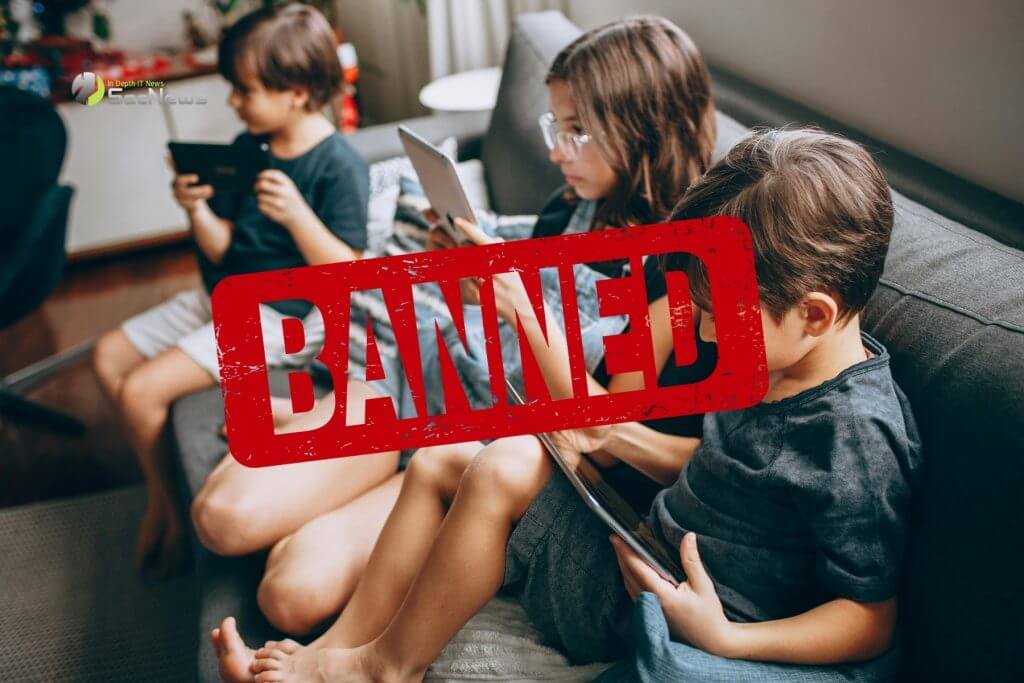
Australia’s eSafety Commission continues to monitor compliance and may take further action against platforms that fail to comply. The outcome of this initiative could have significant implications for social media regulation globally, as other countries consider Australia’s approach as a potential model for their own legislation.
The importance of protecting children online cannot be underestimated. Social media platforms have a responsibility to create a safe environment for their young users. Failure to comply with legal requirements can lead to legal consequences and affect the reputation of these companies.
Australia has already taken steps to strengthen child protection online, but the success of these measures depends on the cooperation of social media platforms. Implementing stricter age verification processes is a critical step in this direction.
See also: Pinterest CEO: Under 16s shouldn't have social media

As the situation evolves, the eSafety Commission will continue to closely monitor developments and take action where necessary. The international community is following developments in Australia with interest, as they can serve as a model for other countries seeking to strengthen the protection of children online.
