

Bill Ready, CEO of Pinterest, has sparked heated debate in the tech and regulatory space with a post on LinkedIn proposing a complete ban on social media use by teens under the age of 16.His message is not limited to a simple proposal: Ready supports clear regulations with real law enforcement and accountability for operating systems mobile device and the apps that run on them.

The CEO's post comes at a time when the digital presence of teenagers is under strict scrutiny by regulatory authorities, courts and legislators, who are examining the impact of social media use on the mental health and well-being of young users.
See also: Teens against xAI: Grok created child pornography with AI
The example of Australia
In his essay, Ready noted that Australia has already banned social media for under-16s, calling it a “leading example.” Australian policy promotes strict rules on user registration, data collection and app operation to protect young people from harmful effects such as digital harassment or overexposure to age-inappropriate content.
This report emphasizes the difference in the approach proposed by the CEO of Pinterest from most large technology companies, which to date have preferred more «flexible» measures, such as optional age verification or the use of parental controls, without explicitly restricting the access of young users.
Pressure on technology platforms
The latest research on teen mental health has put increasing pressure on social media giants like Meta and TikTok, with lawmakers and regulators demanding more transparency into how the platforms collect data, promote content and enforce age restrictions.
See also: WhatsApp: New parent-managed accounts for children
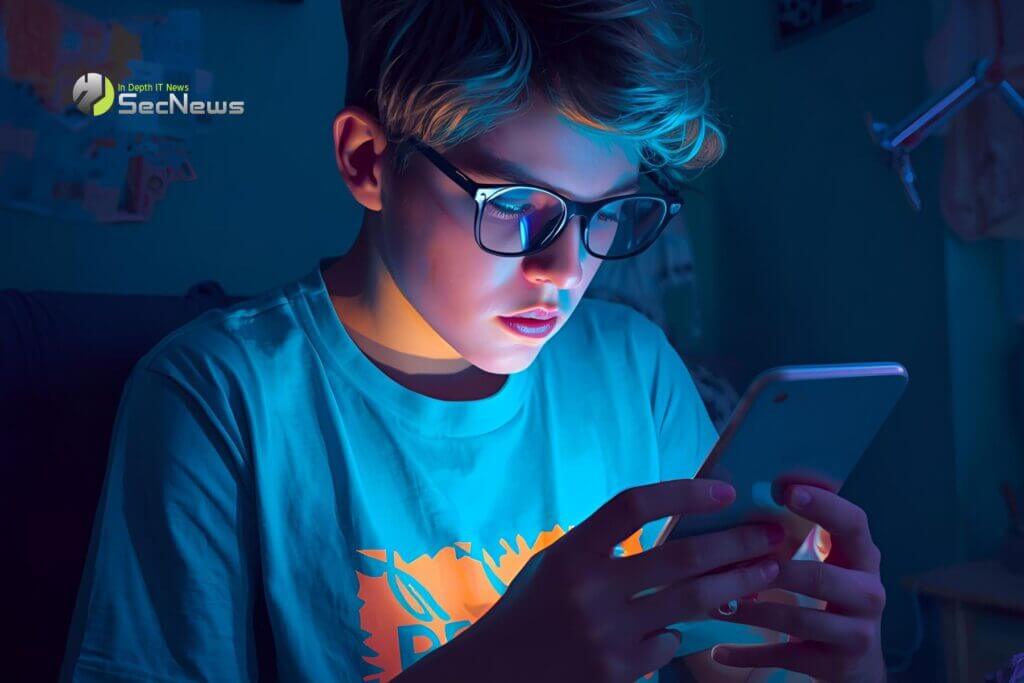
Ready, with his proposal, takes a more radical position: instead of limited or optional measures, he proposes a universal ban on all social media, up to the age of 16, accompanied by enforcement and accountability mechanisms that would make platforms responsible for following the rules.
Ethical and practical challenges
The executive's proposal raises a series of questions: How will ages be verified reliably? How will application compliance be ensured at an international level? What are the consequences for young users who use platforms for educational or creative purposes?
At the same time, it opens the debate on the moral responsibility of technology companies and governments to protect adolescents from risks such as digital harassment, data exploitation and the psychological pressure resulting from excessive use of social networks.
See also: India lays down legal framework to protect children from AI
Protection or restriction?
The proposed ban brings up a conflict between two strategies: protecting the young age group or limiting access to digital tools that may have educational and social value. This balance is delicate, as technology is part of children's everyday lives, while at the same time the psychological effects are undeniable.
Ready stresses that, without clear standards and enforcement, young users remain vulnerable to content they cannot manage and to platform practices that encourage excessive interaction.

A discussion that has just begun
The statement from Pinterest's CEO paves the way for broader discussions about protecting teens on digital platforms. Lawmakers and tech companies are now faced with the need to find ways to balance the safety of young users with the freedom and creativity that social media offers.
In a world where the use of mobile devices and online platforms starts increasingly earlier, the issue of protection emerges as a critical element of public policy and corporate responsibility.
Overall, Ready's proposal is not merely a personal stance, but a call to action that may affect the future of social networks and the way teenagers interact with technology.
Source: Reuters
