

Austria is preparing to take one of the strictest measures to restrict social media in Europe, announcing plans to ban access to social media platforms for children under 14.The initiative is part of a wider wave of concern spreading internationally about the impact of digital platforms on the mental health of minors.
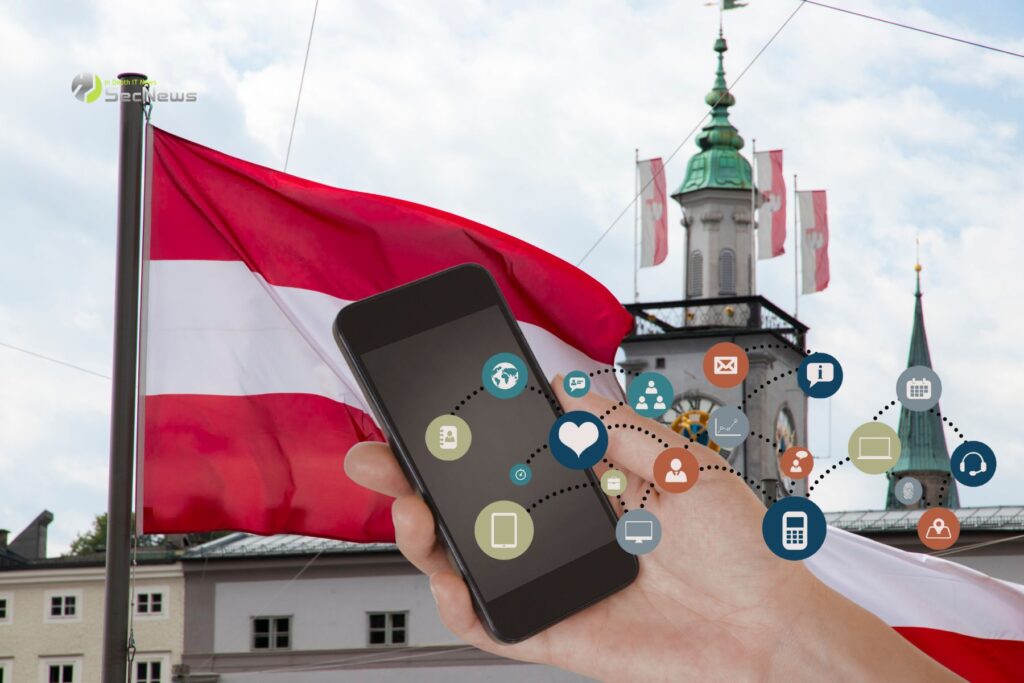
Although the decision has already been approved at a political level after lengthy consultations within the three-party government, critical questions remain open regarding the manner of implementation and the timeline for execution.
The political dimension and the arguments in favor of the ban
Vice Chancellor Andreas Babler stressed that the government cannot passively watch the growing influence of social media on children, which – as he said – leads to addictive behaviors and aggravating psychological conditions. According to him, the protection of minors is a fundamental responsibility of the state.
See also: Pinterest CEO: Under 16s shouldn't have social media
In fact, he compared the need to regulate social media to existing restrictions on products such as alcohol and tobacco, noting that the digital world cannot be a “gray zone” without clear rules. This position reflects the shift in public debate, where social networks are now viewed as potentially harmful environments for minors.
Algorithms, addiction and protection of minors
At the heart of the debate are the algorithms , which are designed to maximize user time. The Austrian government seeks to protect children from these practices, which often lead to addictive use and exposure to inappropriate content.
This approach is not limited to prohibition only, but also opens the discussion about the overall regulation of the digital ecosystem. As experts point out, technology is not neutral, and platforms are responsible for the way they design user experiences.
International trend: Towards stricter restrictions
Austria is not the only country considering such measures. Similar initiatives have already been taken in other countries, with Australia imposing a ban on those under 16 and France approving restrictions for those under 15.

At the same time, the United Kingdom has launched a public consultation on corresponding measures, while countries such as Greece, Spain, Ireland and Denmark are considering similar arrangements. This increasing mobility shows that the issue has taken on the dimensions of a European – and not only – political priority.
See also: Turkey: Banning social media for children under 15?
The challenge of implementation and age verification
One of the biggest obstacles to implementing such policies is reliable age verification. The Austrian government is exploring technical solutions, possibly in collaboration with European systems, to ensure that the restrictions are implemented in practice.
However, the implementation of such mechanisms also raises issues privacy, as it requires the collection and processing of personal data. The balance between protecting minors and ensuring the rights of users is one of the biggest challenges for legislators.
Social reactions and political strategy
According to analysts, the proposal to ban social media appears to enjoy broad acceptance, especially among parents. In a period of political and economic uncertainty, such initiatives give governments the opportunity to show that they are taking action on issues that directly affect society.
See also: Social Media: Lawsuits for Addiction, Safety and Mental Health
At the same time, this policy is part of a broader package of education reforms, which includes more emphasis on democracy and artificial intelligence, indicating a comprehensive effort to adapt education systems to the new digital era.

The future of children in the digital world
The debate over banning social media for minors is not just about technology, but also about how societies choose to shape the digital environment of future generations. As platforms continue to profoundly influence everyday life, the need for rules becomes increasingly urgent.
Whether such bans will prove effective remains to be seen. However, it is clear that the era of uncontrolled access by children to social media is coming to an end, with governments taking a more active role in shaping the digital future.
