

Nearly five million social media accounts belonging to Australians under 16 have been disabled in just a month since the country's first social media ban for under-16s came into effect, figures released by the country's internet regulator show. The measure has had an immediate, widespread and measurable impact on the digital ecosystem.
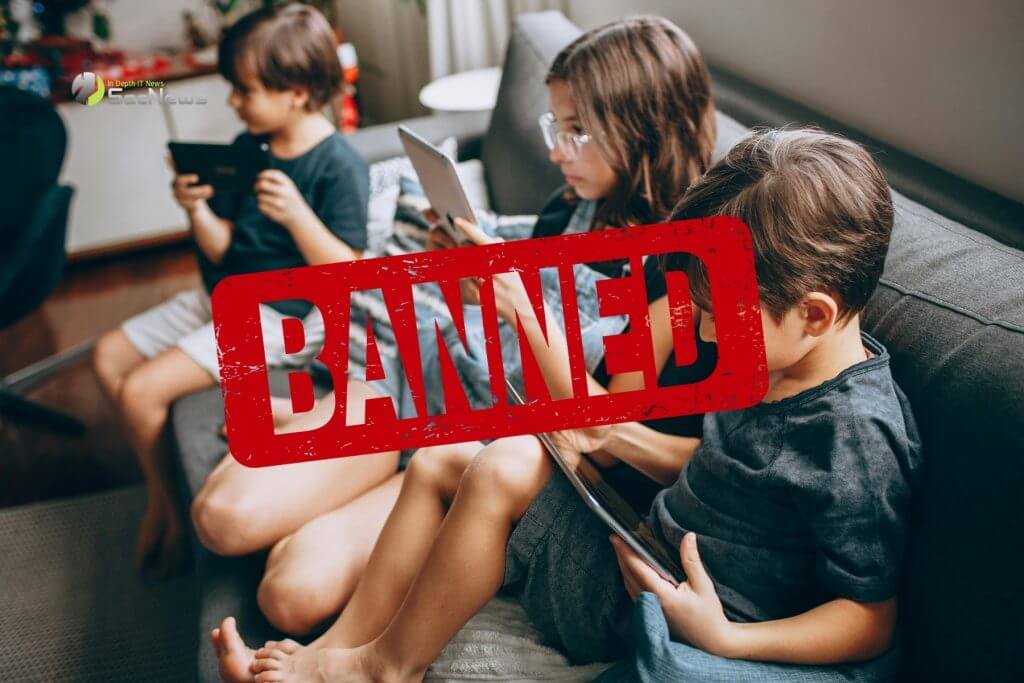
The ban went into effect on December 10 and marked a radical change in how social media platforms are required to manage the presence of minors.
4.7 million accounts in one month
According to Australia's eSafety Commissioner, Julie Inman Grant, major platforms have so far removed about 4.7 million accounts belonging to people under the age of 16. Some companies even started closing accounts weeks before the official deadline in order to adapt to the new regulatory framework in time.
See also: Australia: Legal challenge against social media ban law
This is the first official government data on compliance and reveals the scale of the intervention, which comes with severe penalties: platforms risk fines of up to A$49.5 million for non-compliance.
A number that exceeds all predictions
The number of accounts deactivated far exceeded initial estimates before the law was passed. Based on demographic data, this equates to more than two accounts for every Australian aged 10 to 16, underscoring how deeply embedded social media has become in teenagers’ daily lives.
Meta previously announced that it had removed approximately 550,000 underage accounts from Instagram, Facebook, and Threads, but the total number reveals that the activity was much more widespread across the platform ecosystem.
See also: Malaysia: Ban social media for children?

Which platforms are affected?
The minimum age law applies to all major social media services, including Google's YouTube, TikTok, Snapchat and X (formerly Twitter). Reddit has also said it complies with the ban, although it has taken legal action against the government, seeking to overturn the law. The Australian government has made it clear it will defend the regulation in court.
Notably, the law does not impose sanctions on children or their parents, but shifts the responsibility entirely to the platforms themselves.
Age checks: Technology in progress
Julie Inman Grant stressed that remain active underage accounts and it is still too early to talk about full compliance. All companies covered by the ban have officially stated that they will align with the new regime.
Effective age checks, he noted, take time to perfect. However, age verification service providers — usually third-party software vendors — said the rollout in Australia went smoothly, thanks in part to an extensive information campaign that preceded it.
See also: NetChoice: Lawsuit in Virginia over social media restrictions for children

User migration and long-term impacts
In the run-up to December, some smaller social media apps saw a surge in downloads in Australia. eSafety is closely monitoring these “migration trends”, although so far the initial spikes do not appear to have translated into sustained usage.
A multi-year study involving mental health expertsto examine the long-term impact of the ban on adolescent well-being and development. The results of this research may determine whether the Australian model will become a model for similar regulations in other countries.
Source: www.reuters.com
