

An unprecedented legal battle is underway in Australia, as a constitutional challenge has been filed in the country's High Court two weeks before a ban on children (under 16) accessing social media. The move paves the way for one of the most significant legal battles ever fought over young people's digital rights.
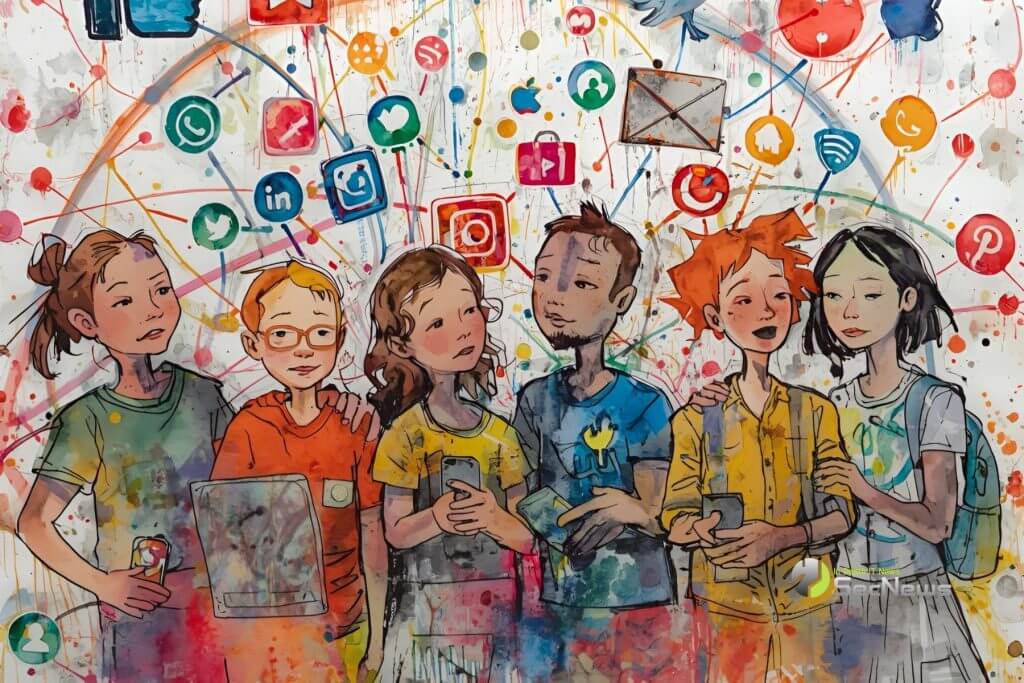
The appeal and its protagonists
The Digital Freedom Project, , announced that it has filed a lawsuit, with two 15-year-old students – Noah Jones and Macy Neyland – as lead plaintiffs. They aim to stop the implementation of the law, which will close more than a million minor accounts on popular platforms including YouTube, TikTok, Snapchat, Facebook and Instagram, starting December 10.
See also: Child protection online: KOSA reform
The plaintiffs argue that the ban violates Australians’ implicit – but constitutionally recognized – right to political communication . Although Australia does not have explicit constitutional protection for freedom of speech, the argument is based on the fact that the right to political expression is considered necessary for democratic functioning.
"A legislation that silences the new generation"
In a statement, the Digital Freedom Project said the new law is “overly restrictive” and deprives young people of the opportunity to participate in public debate. 15-year-old Macy Neyland said: “Young people are tomorrow’s voters. We can’t be silenced. It’s like Orwell’s 1984 – and that scares me.”
The group supporting the appeal is led by John Ruddick, a Libertarian Party member of the New South Wales parliament who has been a proponent of free digital access for years.
Government reaction: "We will not succumb to threats"
Following the announcement of the appeal, Communications Minister Anika Wellsassured parliament that Anthony Albanese would not back down.

"The Labor government stands with parents, not platforms. We are not intimidated by threats or legal moves from those with hidden agendas," he said.
See also: Malaysia: Ban social media for children?
Australian media even revealed that YouTube is also considering an appeal, arguing that the ban imposes restrictions that affect the ability to communicate politically through the platform.
A law that the whole world watches
Australia is the first country to attempt to impose a complete ban on social media for under-16s, a move that has drawn international attention from governments and tech giants. Many countries are already considering tightening rules on minors' access due to the rise of harmful online behavior.
The law was passed in November 2024 and, according to opinion polls, enjoys broad support from the Australian public – which gives the government a significant political advantage in the face of legal developments.
Why the ban was decided – The government's arguments
The government cited a series of studies showing that excessive social media use among young adolescents is linked to:
- increase in misinformation
- reinforcement of cyberbullying
- mental health problems
- toxic comparisons and distorted body image
- exposure to harmful content
According to officials, platforms have failed to adequately protect underage users, making government intervention now necessary.

Heavy fines for non-compliance
Companies that allow access to minors under 16 risk fines of up to A $49.5 million. The size of the penalties shows how seriously the government is taking enforcement of the ban.
See also: NetChoice: Lawsuit in Virginia over social media restrictions for children
The future of the law and international implications
Regardless of the outcome in the Supreme Court, the case has already sparked a global debate about whether governments should be allowed to set strict age limits on social media. For some, the law is a model for protecting children; for others, it is a threat to digital rights.
The only thing certain is that Australia's decision will affect how children's access to the internet is treated internationally – and the next period will be decisive.
