

Waymo is continuing its aggressive rollout of its robotaxi network in the U.S. , announcing that four more cities are joining its autonomous vehicle program. The company confirmed that it has begun safety driver testing in Philadelphia , while also beginning manual mapping and data collection in Baltimore, St. Louis, and Pittsburgh — a necessary step before fully deploying autonomous operations.
While Waymo has not announced a specific timeline for launching commercial services in the new locations, the move is a clear indication that Alphabet aims to quickly expand its footprint across the East and Central Coast of the United States.
Collaborations and past strategies
The company has not clarified whether it will follow the same partnership model seen in other cities, such as Atlanta and Austin, where Waymo has partnered with Uber to promote and operate robo-taxi fleets. The prospect of partnerships remains open, especially in areas where local regulations or infrastructure require coordination with existing transportation services.
See also: Uber and Avride bring robotaxi service to Dallas
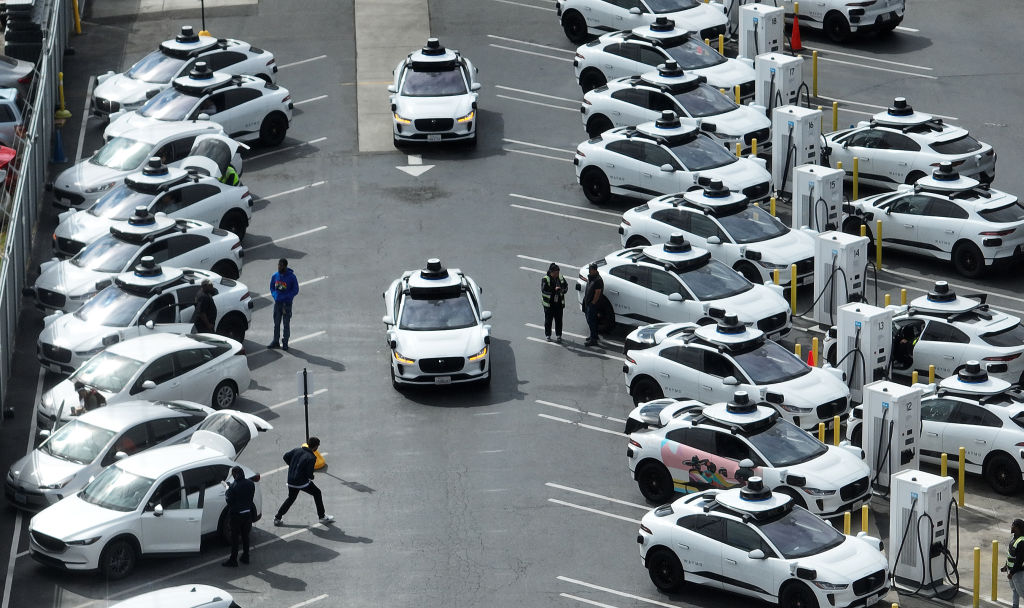
Regardless of the business model chosen, the new regions strengthen the list of over 20 cities where Waymo either already provides rides, is in the preparation phase for commercial operation, or is conducting technical tests on the road network.
Ambitious goals and expansion on motorways
Waymo is now operating on highways, providing rides in Los Angeles, Phoenix and the San Francisco area, a development seen as a critical step towards mass adoption of autonomous vehicles. Highways are a different environment than city traffic, but they offer more stable conditions for testing high-speed and advanced decision-making systems.

Based on current data, the company aims to reach the impressive figure of 1 million trips per week by the end of 2026, an operational milestone that, if achieved, would make it the largest autonomous transportation provider in the world.
See also: Elon Musk: Tesla Robotaxi fleet in Austin will double
According to recent data published by Waymo itself, its autonomous vehicles operate at a level of safety five times higher than human drivers, a statement that attempts to boost public and regulatory confidence in a field where safety concerns remain high.
Checks and concerns about incidents involving school buses
Despite the ambitious expansion, Waymo is under scrutiny from the National Highway Traffic Safety Administration (NHTSA), which is investigating incidents involving autonomous vehicles near school buses. The incident was sparked by a video from Atlanta that shows a Waymo driving past a stopped school bus with its lights on and the safety bar up.
Austin news outlet KXAN also reported on an investigation that found similar incidents had occurred multiple times. The company responded that it had already implemented software updates aimed at improving the vehicles' behavior in school zones, but the issue remains under review by regulators.
See also: Baidu: Robotaxi trials in Switzerland from December
The balance between innovation and responsibility
Waymo's robotaxi expansion to four new cities confirms that the autonomous transportation is entering an acceleration phase. However, the vision of a driverless city comes with challenges: legal, technical and ethical.
As Waymo seeks nationwide expansion, it faces a difficult puzzle: keeping the pace of innovation high while ensuring absolute safety in all real-world scenarios. Whether it can achieve that remains to be seen on the streets of the new cities now opening up before it.
