

A common tactic used by online scammers is to pretend to be help/supportto trick victims into sharing their screens via WhatsApp. This allows the perpetrators to obtain sensitive information such as bank account details and verification codes.

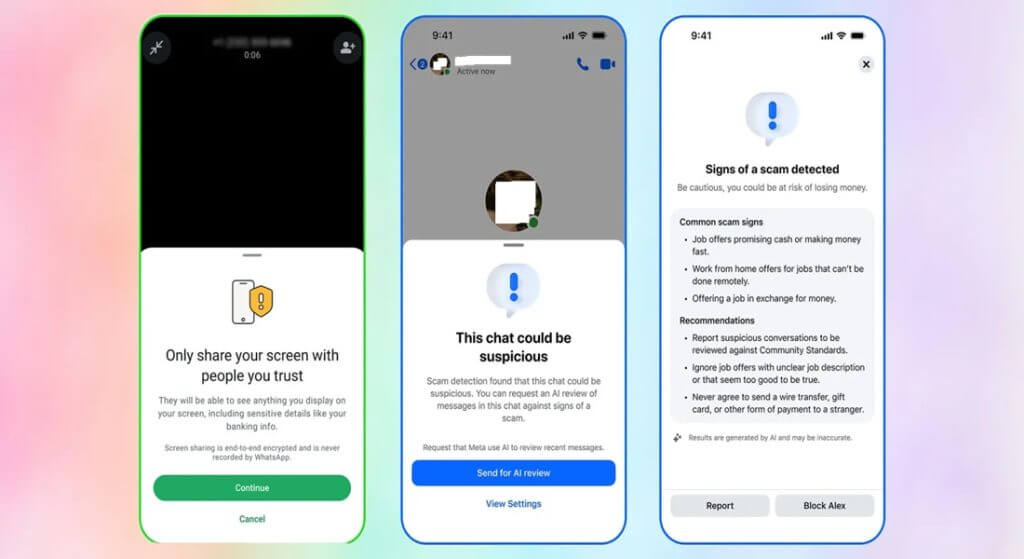
Meta says WhatsApp will now intervene when someone tries to use screen sharing with an unknown contact during a video call. The company will also proactively flag suspicious conversations on Facebook Messenger.
See also: WhatsApp Web: Fake extensions used in spam campaign
Scammers often create online accounts and Facebook pages that claim to be customer service representatives for banks, airlines, and other companies. They follow brand accounts, seeking feedback from customers who are experiencing problems, and then message those people claiming to be the brand's helpdesk.
They ask the victim to share their screen before logging into the serviceso they can capture sensitive information. While they generally can’t capture passwords directly, they can obtain the username and other information they need to make a password change request. They can then see the verification code arrive on the victim’s screen.

Protection on WhatsApp and Messenger
Meta says it will now proactively warn potential victimsabout sharing their screens with people they don’t know. On WhatsApp, warnings will appear when users try to share their screen with an unknown contact during a video call. Scammers can pressure their targets into sharing their screen in order to gain access to sensitive information, such as bank details or verification codes. This new tool aims to give users more information to spot and avoid scams.
See also: OpenAI: Extra protections for Sora after concerns about Deepfake content
Meta will also monitor Facebook Messenger for common signs of fraud, such as unsolicited job offers. In Messenger, the company is testing more advanced fraud detection in conversations. When it’s enabled and a new contact sends a potentially fraudulent message, users will be alerted and given the option to send recent chat messages for AI fraud review. If potential fraud is detected, users will receive more information about common scams and recommended actions, such as blocking or reporting the suspicious account.
See also: CodeMender: Google's new AI agent enhances security
The company notes that seniors are even more likely to be targeted by online scammers and offers tips on how to avoid falling victim:
Be wary of unsolicited messages or calls: Never share personal or financial information, such as your social security number or account numbers, in calls, emails, or text messages. Legitimate companies and government agencies will not ask for this information out of the blue.
Pause and reach out to people you trust: Scammers often create a false sense of urgency or panic. If someone pressures you to act quickly or keep things a secret, that's a warning sign. Take some time and talk to someone you trust before responding.
Use official customer service channels: If you need help, always call the company's official hotline or go to its website to find contact information. Don't click on links in emails or text messages, and avoid posting complaints in public forums — scammers look for these opportunities.
🔒 Protect your privacy with Proton VPN
Swiss VPN from the creators of Proton Mail — strict no-logs policy, strong encryption, and built-in NetShield that blocks ads, trackers, & malware.
- ✔ No-logs, based in Switzerland (except 14-Eyes)
- ✔ NetShield: blocks ads, trackers & malicious domains
- ✔ Covers all devices — free version available
The link is an affiliate link — SecNews may receive a commission at no additional cost to you. It does not affect the independence of our article writing.
