

Artificial intelligence platform Hugging Face is strengthening its momentum in the robotics space, introducing two new open-source humanoid robots: HopeJR and Reachy Mini.
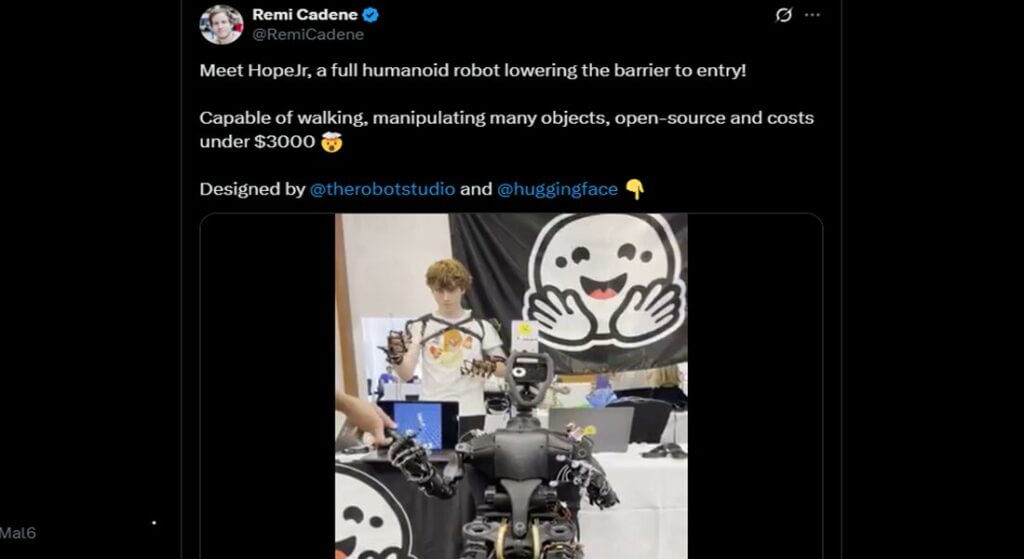
HopeJR is a full-size humanoid robot that can walk, move its arms, and is generally designed for 66 distinct movements. Reachy Mini , on the other hand, is a more compact desktop unit designed for experimenting with AI applications. It features head movement, voice communication, and voice recognition .
While there's no specific distribution timeline yet, Hugging Face co-founder and CEO Clem Delanguesaid the company is planning to start shipping by the end of the year. A waiting list has already opened for those interested.
See also: Amazon's new Vulcan robot could replace workers
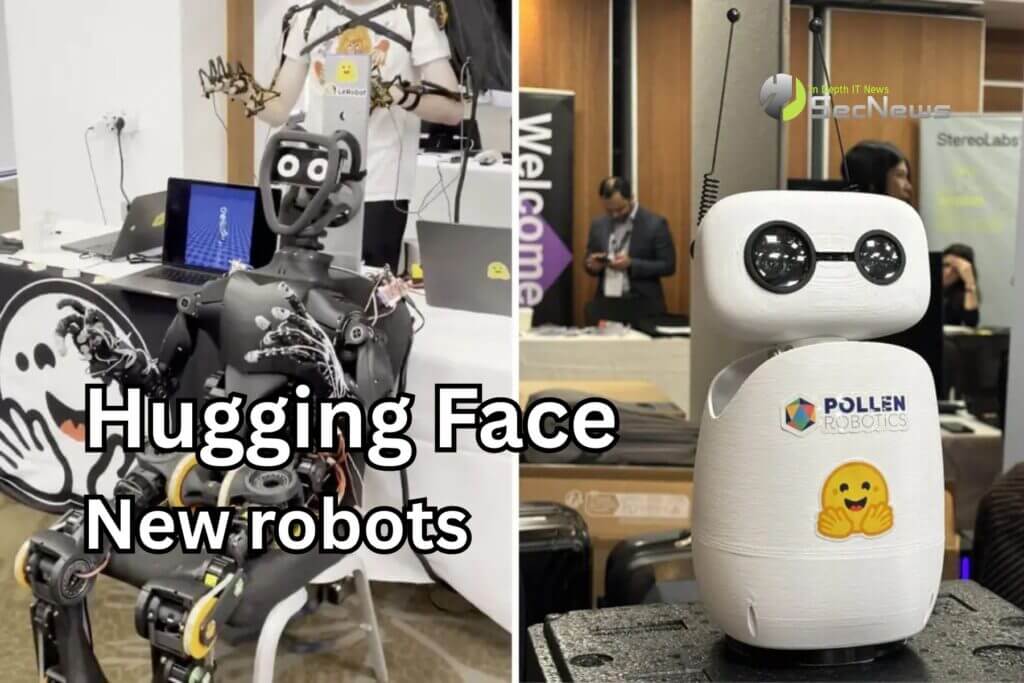
As for price, the HopeJR will cost around $3,000, while the Reachy Mini will cost somewhere between $250 and $300, depending on the market and customs duties.
According to Delangue, the strengths of Hugging Face's two humanoid robots are their open source nature and low price. The fact that the robots are open source means that anyone can assemble them, customize them, and understand their operation.
This initiative reinforces Hugging Face's philosophy of open and responsible innovation in the field of artificial intelligence and robotics.
It is worth noting that the launch of Hugging Face would not have been possible without the acquisition of Pollen Robotics, a startup specializing in robotics. The deal, announced last April, significantly strengthened Hugging Face's capabilities in the field, according to statements by CEO Clem Delangue. As he emphasized, the integration of the Pollen team provided critical expertise for the development of the new HopeJR and Reachy Mini, expanding Hugging Face's technical capabilities in the design and implementation of humanoid systems.
See also: Optimus: Tesla's humanoid robot dances!
This move is part of a broader strategy the company is pursuing in the robotics space. In 2024, Hugging Face introduced LeRobot, an integrated platform that brings together artificial intelligence models, datasets, and development tools for creating robotic systems.
See also: China: Humanoid robot “attacked” its operators
In 2025, the company continued its innovation with the launch of a new version of the SO-101, a 3D-printed robotic arm, developed in collaboration with the French company The Robot Studio. At the same time, it enriched the LeRobot platform with new training data, thanks to a collaboration with the startup Yaak, strengthening support for applications such as autonomous driving.
The company seeks to position itself as one of the key players in the future of open source robotics, promoting solutions that combine transparency, accessibility, and advanced AI capabilities.
More and more companies are turning to the creation of humanoid robots. With the constant advancements in this field, the possibilities are endless for how these robots can benefit society and revolutionize industries. So, the future looks bright and exciting for humanoid robots , and we can't wait to see what's next in this rapidly evolving field.
Source: techcrunch.com
