

 Over time, more and more people with Type 1 Diabetes tend to search the Internet for instructions that will help them hack their medical equipment. Many people even state that this process offers them relief and more confidence in the results. For example, a writer with a doctorate in humanities, Jonathan Garfinkel, said that he started “looping”, as this process is called, after meeting other “loopers”. Specifically, despite the fact that he had no previous experience and knowledge of computer science, he managed to create an automatic system through which he could control his blood sugar levels.
The “loop” is a system in which a continuous glucose monitor (CGM) can “talk” to an insulin pump via a smartphone. Currently, the two wearable blood sugar monitoring devices are not connected to each other, which means that the person must constantly adjust their insulin doses according to the readings displayed on the meter. “Looping” allows the CGM to “tell” the pump how much insulin the person needs, so the pump automatically delivers that dose.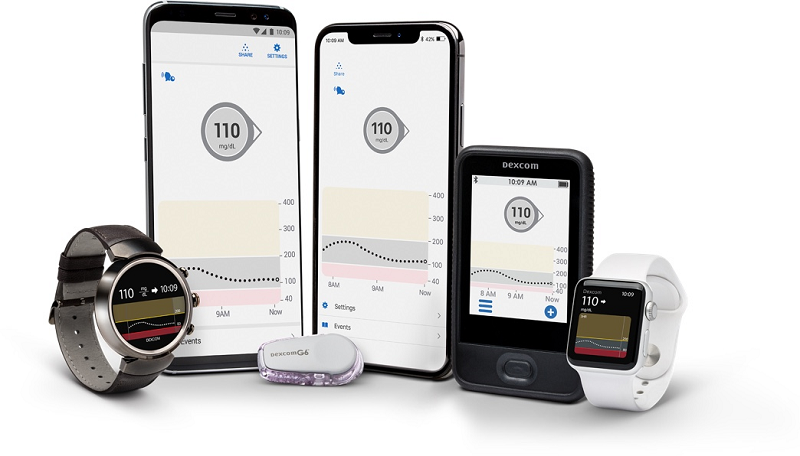
This requires hacking into an older pump, since new pumps cannot be hacked, and using a device called Rileylink, which costs about $150, which converts signals from the CGM into readable information for the pump via a smartphone.
Garfinkel expressed his excitement, saying that at first he couldn't believe his achievement. He also noted that his blood sugar levels have never been more stable, waking up with "low levels" about once a week, which is rare by today's standards. However, he says he has to adjust the pump before meals and exercise, which is not difficult or time-consuming.
There is, of course, the risk of malfunctioning of this system. Too much or too little insulin can lead to a diabetic coma, even death. It is worth noting that the US Food and Drug Administration (FDA) issued a warning in 2019 regarding a critical incident in which a patient required medical attention. At the same time, Dr. Peter Senior, an endocrinologist at the University of Alberta, says that people with Type 1 Diabetes are used to taking risks because if they stop taking insulin, they can die, and if they take a large amount, they can die again. Therefore, they have to live their lives trying to balance on this “tightrope”. Furthermore, having known more than 10 “loopers”, he points out that he can understand the reason why they are led to hacking and does not condemn it, since he wants patients to have a better life.
There are also similar “artificial pancreas” technologies, such as the Medtronic MiniMed 670G, which was approved in Canada in 2018, but its high cost can make it “prohibitive.” Other technologies are still years away from being approved for the market. That’s why the hashtag for the 20,000-member Looped Facebook support group is #wearenotwaiting.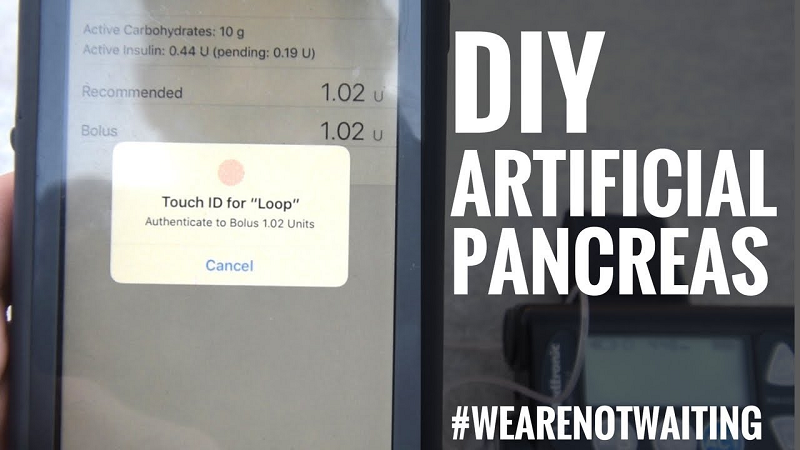
Finally, a US group is in talks with the FDA about making “Loop” an official app for the market. So it is very likely that “looping” will spread further around the world.
