

A new disinformation campaign has come to light. Researchers have discovered a network of 265 news sites that used the names of old newspapers from the 20th century (which no longer exist) to promote propaganda against Pakistan .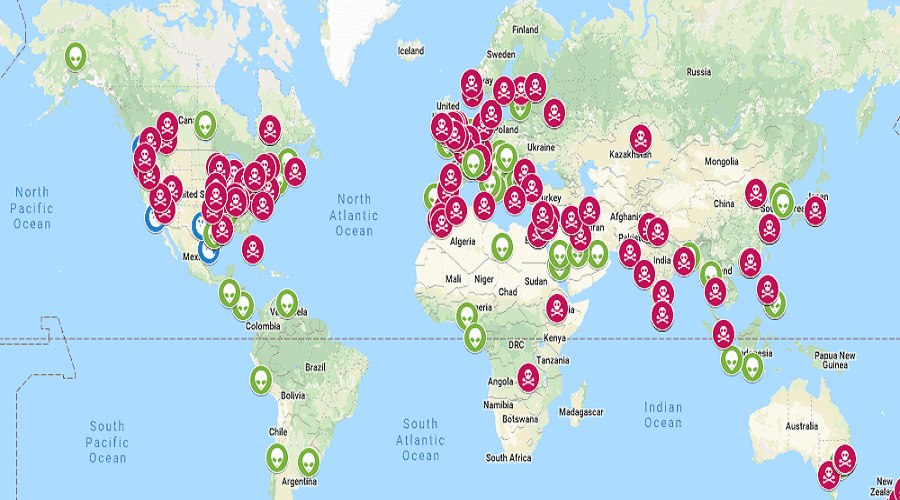
The fake sites were discovered by EU DisinfoLab, an EU NGO that investigates disinformation campaigns. Researchers found that the network of sites is linked to a group of Indian companies, NGOs and research institutes.
EU DisinfoLab believes that the goal of this global network of fake sites was to influence international institutions, elected representatives, and the world's perceptions of Pakistan in general, by promoting news that creates a negative impression.
Furthermore, the actors of the disinformation campaign tried to strengthen the legitimacy of NGOs against Pakistan, providing material that justifies the negative image of the country.
According to EU DisinfoLab, the goal was to add multiple layers of media outlets reporting negative news and republishing it, to make it harder to detect manipulation but also to make it appear that the global community has the same negative view.
A disinformation campaign by India targeting Pakistan is not particularly surprising. The two countries have not had good relations since 1947. The tensions are related to geopolitical issues.
How did the disinformation campaign work with fake news sites?
In reality, the campaigners relied on a very simple system.
The sites used a domain that mimicked the name of an old, defunct newspaper but also the name of a popular local site (in some cases).
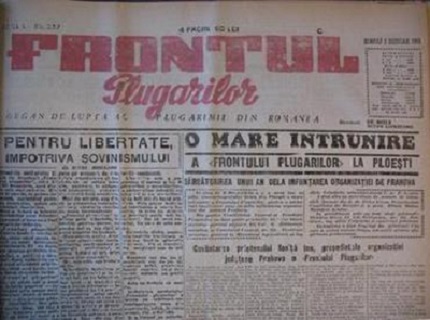
An example of the first case is the operation of an English website (frontulplugarilor.com) in Romania, which had borrowed the name of Frontul Plugarilor, a pro-communist newspaper that circulated in Bucharest from 1945 to 1953.
Similarly, in Turkey, the site hamevasser.comimitated a newspaper that circulated in Istanbul from 1909 to 1911.
In the US, users visit the site metroeastjournal.com, which imitates the Metro-East Journal newspaper, which ceased publication in 1979. There is also saltlaketelegram.com, which borrows its name from the local newspaper Salt Lake Telegram (1915-1952).
You can see the entire list of 265 fake sites and the countries of operation here.
According to the researchers, all of the sites published articles in English, despite the fact that they had the names of local newspapers.
A search on these sites for the word "Pakistan" only returned negative results about the country and its government.
Also, EU DisinfoLab stated that the 265 disinformation sites were linked to each other (e.g., they shared the same web servers, etc.).
Researchers plan to continue the investigation to uncover more details about the disinformation campaign.
