

Earlier this week, the Düsseldorf Higher Regional Court issued a 37-page interim ruling against the German Federal Cartel Office. The ruling had to do with whether or not Facebook should combine user data from different sources
These sources now include WhatsApp , Instagram , obviously Facebook itself, but also some other different sites that use Facebook's analytics and software

But let's look at how it all started. Last February, German authorities said that Facebook could combine data if users gave the company permission. This was something that the Facebook team did not agree with, and they turned to the regional judges of Düsseldorf.
The German authorities' moves to crack down on how much data companies collect and how they use it to dominate the market are seen as groundbreaking legal moves, and the plan to break up Facebook's data collection capabilities internally is seen as perhaps one of the most effective ways to rein in a major social media company
However, the regional court in Düsseldorf took a different view, having doubts about whether the data processing violated monopoly law. So the German Federal Cartel Office did not enforce the February ruling while it was awaiting that ruling. This means that Facebook can continue to collect the data whenever it wants, until all decisions are made, which could take years.
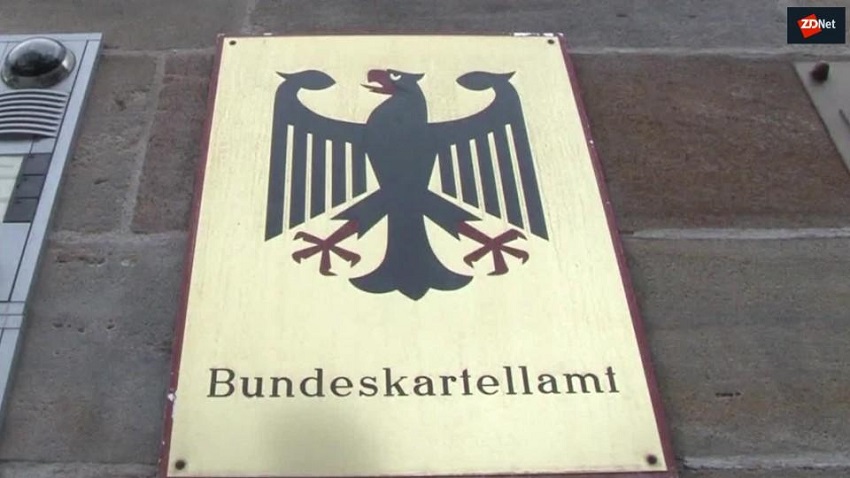
According to Rupprecht Podszun, a law professor at Heinrich Heine in Düsseldorf, judges are supposed to remain neutral as they are bound by the law. In this case, the judges simply didn't find the office's arguments convincing enough. Which is actually a victory for Facebook.
According to the head of the German Federal Cartel Office, data is the market power in the digital economy. He also stated that some basic legal issues need to be clarified, for which they will address the Supreme Court of Germany. The possibility of the office winning still exists. But even that will take years, technology will have advanced and the law is too slow to act immediately.
